Introduction
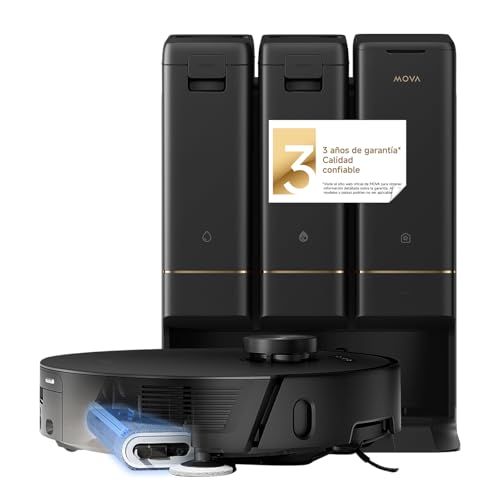
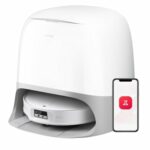
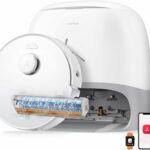
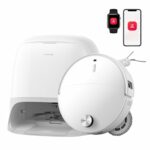
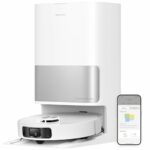
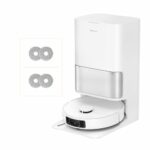
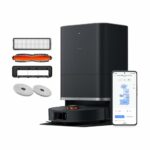
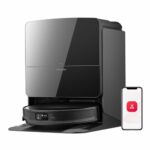
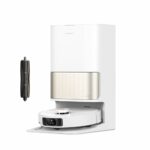
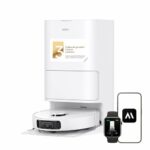
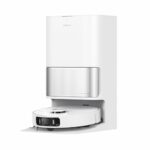
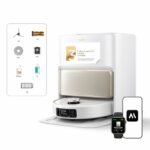
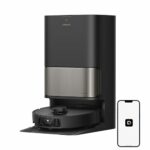
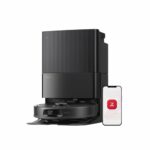
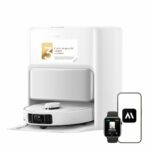
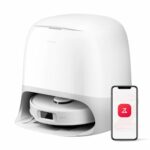
The Dreame Aqua 10 Ultra Roller and Mova Z50 Ultra represent two compelling approaches to automated floor cleaning from the 2025 generation. Dreame, a brand known for pushing technical boundaries at competitive prices, has designed the Aqua 10 Ultra Roller with a focus on raw suction power and advanced obstacle recognition. Mova, which shares manufacturing lineage with Dreame, takes a different route with the Z50 Ultra by prioritising hot water mopping and generous reservoir capacities.
Both models feature comprehensive multifunctional bases that handle mop washing and drying alongside automatic dust emptying. They're equipped with dual camera systems, retractable LiDAR navigation, and AI-driven cleaning intelligence. For households seeking a genuinely hands-off cleaning experience with strong mopping capabilities, either could prove suitable, though their distinct specifications make them better matched to different priorities.
Differences at a Glance
- The Dreame Aqua 10 Ultra Roller delivers 30,000 Pa suction versus 19,000 Pa on the Mova Z50 Ultra
- Dreame uses a dual HyperStream brush system; Mova employs TriCut 3.0
- Mova heats water to 38°C for floor mopping; Dreame uses cold water
- Dreame offers 14mm mopa elevation with additional brush lifting; Mova provides 7mm
- Mova features a mini side mopa for edge cleaning; Dreame has standard mopa extension
- The Aqua 10 Ultra Roller stands at 97.5mm tall; the Z50 Ultra measures 111mm
- Dreame recognises 240 obstacles; Mova identifies 160
- Mova includes a 4-litre dust bag; Dreame has 3.2 litres
- Dreame features a dual detergent system and optional plumbing connection kit
- Mova confirms hot air mopa drying; Dreame's drying specification isn't detailed
Power and Vacuuming Performance
The suction gap between these models is substantial. With 30,000 Pa, the Dreame Aqua 10 Ultra Roller generates significantly more airflow than the Mova Z50 Ultra's 19,000 Pa. In practical terms, this translates to better performance on carpets, more effective pickup of embedded debris, and stronger extraction from textured flooring. For homes with rugs or medium-pile carpets, this difference becomes noticeable.
The brush systems reflect different philosophies. Dreame's dual HyperStream design uses two independently anchored rollers that actively prevent hair tangles by channelling debris toward the suction inlet. This configuration works particularly well in homes with pets or long-haired occupants. The Mova Z50 Ultra's TriCut 3.0 combines bristles with integrated cutting blades that slice through entangled hair, reducing maintenance frequency but requiring occasional manual removal of trapped fibres.
Both models elevate their main brushes during mopping to prevent cross-contamination, and both feature extendable side brushes that swing out to reach wall edges more effectively. The side brushes also lift when mopping begins and incorporate anti-tangle designs. These shared features mean edge cleaning and hair management are handled competently by either option, though the Dreame's higher suction gives it an advantage when tackling stubborn debris.
Mopping Systems
Mopping represents the most philosophically distinct area between these robots. The Mova Z50 Ultra heats water to 38°C for floor cleaning, which helps dissolve grease and sticky residues more effectively than cold water. This becomes especially relevant in kitchens or high-traffic areas where spills accumulate. The Dreame Aqua 10 Ultra Roller relies on cold water but compensates with 12N of downward pressure on its roller mopa, creating more mechanical scrubbing action.
Mopa elevation differs considerably. Dreame achieves 14mm of lift and includes an additional mechanism that raises the brush simultaneously, preventing wet bristles from dragging across carpets. The Mova manages 7mm of elevation, sufficient for most low-pile rugs but potentially problematic with thicker carpeting. Households with varied floor types will find the Dreame's approach more versatile.
The Mova Z50 Ultra incorporates a mini side mopa that extends to clean edges and baseboards more thoroughly. Dreame offers standard mopa extension but without a dedicated lateral pad. For homes with intricate floor plans or lots of skirting detail, Mova's solution provides more comprehensive coverage along perimeters.
Both models detect dirt on their mopas and adjust cleaning intensity accordingly, returning to the base for rewashing when sensors indicate contamination. They also identify soiled floor areas and increase scrubbing passes automatically. These intelligent behaviours mean you're not manually programming different cleaning modes for different rooms.
Navigation and Intelligence
Navigation hardware is broadly similar, with both using retractable LiDAR units that lower into the chassis when not needed, reducing overall height. Dual RGB cameras provide visual object recognition, supplemented by 3D laser sensors at the front to detect low-lying obstacles. LED lighting enables night-time operation without loss of recognition accuracy.
The Dreame Aqua 10 Ultra Roller identifies 240 distinct obstacle types compared to Mova's 160. This expanded database means fewer false stops and more confident navigation around unusual objects like cables draped across floors, pet toys, or shoes. The difference matters most in cluttered environments where the robot encounters varied items during each cleaning cycle.
Dreame specifies its AI Sage 15.0 octa-core processor, which handles real-time image processing and path optimisation. Mova's CPU details aren't provided, though both models run CleanGenius AI software that learns room layouts and adjusts cleaning strategies over time. Remote camera access works on both, allowing you to check on pets or monitor your home whilst away.
Pet recognition and curtain detection function identically across both robots, preventing entanglement with fabric or startling animals. Voice assistants—both proprietary and third-party like Alexa—are supported on each model.
Battery and Autonomy
Both robots use 6,400 mAh batteries, providing substantial capacity for extended cleaning sessions. The Dreame Aqua 10 Ultra Roller specifies 160 minutes of runtime, enough to cover large homes in a single pass. Mova doesn't detail its autonomy figure, though the identical battery suggests comparable endurance under similar suction settings.
In practice, runtime varies with floor type and cleaning mode. Maximum suction drains batteries faster, whilst eco modes extend coverage. Automatic recharge-and-resume ensures neither robot leaves jobs unfinished in larger properties, returning to the base when depleted and continuing from where they stopped once recharged.
Smart Features
Obstacle climbing capability differs slightly. The Dreame Aqua 10 Ultra Roller handles single-layer obstacles up to a certain threshold, whilst the Mova Z50 Ultra manages 22mm steps. This specification helps when transitioning between rooms with raised thresholds or climbing onto thick rugs. The Mova's explicit measurement provides clearer expectations for homes with pronounced floor level changes.
Both models include proprietary voice assistants alongside support for external smart home ecosystems. This dual approach means you can issue commands directly to the robot or integrate it into existing routines managed through Alexa or Google Home. Neither features a robotic arm, keeping their designs focused on core vacuuming and mopping functions rather than experimental add-ons.
Multifunctional Base Station
Base functionality is comprehensive on both models. Automatic dust emptying, mopa washing, and mopa drying eliminate most manual maintenance. The Dreame washes mopas with hot water, as does the Mova, though Mova explicitly confirms hot air drying whilst Dreame's drying method isn't fully detailed. Hot air drying accelerates the process and reduces bacterial growth, preventing musty odours between cleaning sessions.
The Mova Z50 Ultra provides a 4-litre dust bag compared to Dreame's 3.2 litres. This translates to roughly two extra weeks between bag changes in typical households, a minor convenience that adds up over time. Water reservoirs favour Mova as well: 4.5 litres of clean water versus 4 litres, and 4 litres of dirty water versus 3.5 litres. These differences are marginal but extend the interval between refills in larger homes.
Dreame includes a dual detergent system, allowing separate solutions for different floor types or cleaning intensities. Mova offers a single detergent reservoir. For households with mixed flooring—say, sealed wood in living areas and tile in kitchens—the dual system provides more tailored cleaning without manual intervention.
An optional plumbing connection kit is available for the Dreame, enabling permanent water supply and drainage when installed. This accessory isn't included as standard and requires separate purchase, so it's not a core differentiator unless you're specifically seeking a fully automated water management setup. Mova doesn't offer this option.
Dimensions and Fit
Height matters when navigating under furniture. The Dreame Aqua 10 Ultra Roller measures 97.5mm tall, giving it access beneath lower sofas and cabinets compared to the Mova Z50 Ultra's 111mm profile. That 13.5mm difference determines whether the robot cleans under specific furniture pieces or skips them entirely. If you have low-clearance beds or storage units, the Dreame's slimmer profile proves advantageous.
Both robots share a 350mm diameter, typical for this class. Base dimensions vary slightly: Dreame's station measures 420mm wide, 500mm tall, and 440mm deep, whilst Mova's is 390mm wide, 545mm tall, and 463.3mm deep. The Mova base is narrower but taller and deeper, so it fits better in tighter alcoves but requires more vertical clearance. Consider your intended placement when evaluating these measurements.
Real-World Use Scenarios
For homes with pets, the Dreame Aqua 10 Ultra Roller's higher suction and HyperStream brush design handle shedding more effectively. The 30,000 Pa power extracts embedded fur from carpets and upholstery edges, whilst the dual brush system minimises hair wrap. The Mova Z50 Ultra's TriCut 3.0 manages hair adequately but requires more frequent checks.
Households prioritising mopping performance—especially those dealing with sticky kitchen spills or greasy floors—benefit from the Mova's heated water system. The 38°C temperature improves cleaning chemistry, breaking down residues that cold water leaves behind. Dreame counters with greater mechanical pressure, which works well on textured tiles but less so on smooth surfaces where heat matters more.
Large homes favour the Dreame's specified 160-minute runtime and higher dust bag capacity, though Mova's larger water reservoirs mean fewer refill trips during extended mopping sessions. The Dreame's lower profile suits properties with abundant low furniture, whilst Mova's obstacle-climbing specification helps in homes with varied floor levels.
Maintenance routines are similar, with both bases handling the majority of upkeep automatically. Dreame's dual detergent system appeals to users seeking customised floor care without manual mode switching, whilst Mova's confirmed hot air drying provides peace of mind about mopa hygiene.
Conclusion: Which to Choose?
Choose the Dreame Aqua 10 Ultra Roller if you need maximum suction power for carpets and pet hair, want the lowest profile to clean under more furniture, or value extensive obstacle recognition in cluttered spaces. The dual detergent system and optional plumbing kit suit those seeking a highly customisable setup, and the 14mm mopa lift handles varied flooring transitions more confidently. This model fits homes where vacuuming performance takes priority and where low furniture clearance matters.
Choose the Mova Z50 Ultra if heated water mopping is essential for dealing with sticky residues and kitchen grime, or if you prefer larger reservoir capacities to reduce refill frequency. The mini side mopa provides better edge coverage, and the 4-litre dust bag extends maintenance intervals slightly. Confirmed hot air drying offers reassurance about mopa hygiene. This option suits homes focused on mopping quality and those with fewer low-clearance furniture pieces.
Both represent capable, feature-rich robots from the 2025 generation. Your choice hinges on whether raw vacuuming power and furniture access matter more than heated mopping and extended reservoir capacity. Either delivers a genuinely automated cleaning experience with minimal manual intervention.