✨ VS Analyses · VacuumSpain comparison technology. Explanation created with AI from verified technical data.
Introduction
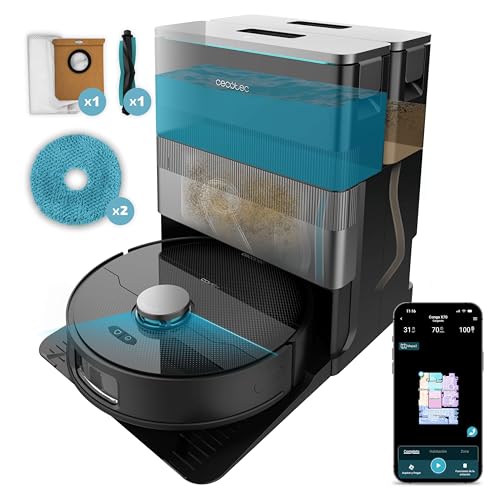
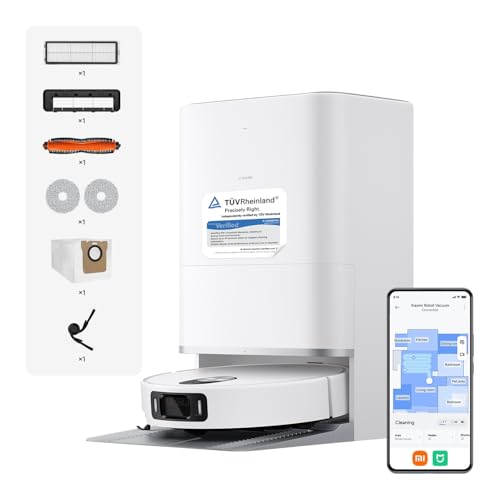
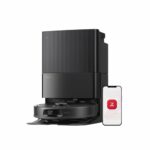
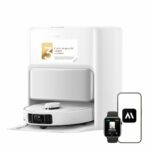
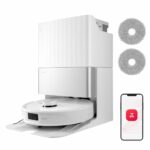
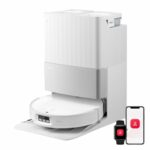
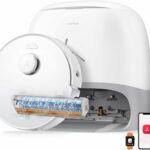
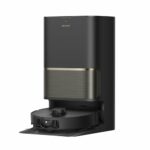
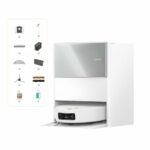
The Cecotec Conga X70 and the Xiaomi Robot Vacuum 5 Pro represent two distinct approaches to high-end robotic cleaning in 2025. Both models feature multifunctional bases with mop washing and drying capabilities, rotating mops with edge extension, and advanced navigation systems combining LiDAR with AI cameras. They share the same 5,200 mAh battery capacity and identical water tank sizes in their bases, making them similarly equipped for large cleaning tasks.
The differences between these two robots become apparent when examining their technical specifications more closely. The Xiaomi model pushes suction power to 20,000 Pa whilst the Conga X70 sits at 15,000 Pa. Navigation intelligence varies significantly, with Xiaomi incorporating features like dirt detection and remote camera access that the Cecotec lacks. For households seeking cutting-edge automation and AI-driven cleaning, these distinctions matter considerably.
Power and Suction
The difference in suction power is substantial. Xiaomi's 20,000 Pa provides significantly more raw cleaning force compared to the Conga X70's 15,000 Pa. This gap becomes particularly relevant when dealing with embedded dirt in carpets or textured hard floors where deeper extraction matters.
Brush technology diverges considerably. The Conga X70 uses a traditional bristle brush, which tends to trap hair and requires more frequent maintenance. Xiaomi's TriCut 3.0 system combines bristles with cutting blades designed to slice through tangled hair, reducing maintenance intervals. The Xiaomi also lifts its main brush during mopping to prevent wet bristles from spreading dirt, whereas the Conga X70 keeps its brush engaged throughout.
Side brush design shows another clear distinction. The Xiaomi features an extendable side brush that reaches further into corners, coupled with anti-tangle properties. The Conga X70 uses a standard side brush without these enhancements. Neither model lifts the side brush during mopping, but Xiaomi's anti-tangle design means less hair accumulation around the brush mount.
Mopping
Both robots employ dual rotating mops with edge extension, allowing them to reach closer to skirting boards. The critical difference lies in mop elevation. The Conga X70 lifts its mops 8 mm when encountering carpets, whilst the Xiaomi raises them 15 mm. This extra clearance on the Xiaomi means better protection for medium-pile rugs and less risk of damp contact.
Mop washing happens at the base for both models, but Xiaomi uses hot water whilst Cecotec relies on cold. Hot water dissolves grease and stubborn stains more effectively, resulting in cleaner mops returning to the floor. Both dry mops with hot air, which helps prevent bacterial growth and odours.
Dirt detection sets the Xiaomi apart significantly. It identifies soiled areas on the floor and dirty mops, triggering additional cleaning passes or mop washes as needed. The Conga X70 follows its programmed routine without adapting to actual dirt levels. In practice, this means the Xiaomi delivers more thorough results in kitchens or high-traffic zones where grime accumulates unpredictably.
The Xiaomi also benefits from automatic self-cleaning of the washing tray inside the base, preventing residue build-up. The Conga X70 requires manual cleaning of this component. Neither model automatically removes mops at the base when switching to vacuum-only mode.
Navigation System
Navigation hardware appears similar on paper—both use LiDAR combined with AI cameras and 3D laser sensors for obstacle avoidance. The Conga X70 features a traditional raised LiDAR turret, whilst Xiaomi uses a retractable system that lowers when not needed, contributing to the robot's slimmer profile.
The software intelligence differs markedly. Xiaomi recognises up to 200 different obstacle types, though the Conga X70 doesn't specify its recognition count. More significantly, the Xiaomi incorporates AI-driven cleaning decisions, adjusting suction and mopping intensity based on room type and dirt levels. The Conga X70 lacks this adaptive intelligence.
Remote camera access is exclusive to the Xiaomi, allowing users to view live footage through the app. Combined with LED night vision, this enables home monitoring functionality beyond cleaning. The Conga X70 has a camera for navigation but doesn't offer remote viewing. Neither model specifically identifies pets or detects curtains.
Battery and Autonomy
Both robots pack identical 5,200 mAh batteries, a generous capacity for extended cleaning sessions. Xiaomi specifies 140 minutes of runtime, whilst Cecotec doesn't provide autonomy figures. With the same battery size, runtime differences would stem from power consumption variations—the Xiaomi's higher suction and more active AI processing might draw more power, though this remains speculative without Cecotec's official figures.
Neither manufacturer lists charging times or maximum coverage area in the provided specifications. The substantial battery capacity suggests both can handle large homes, though the Xiaomi's specified 140 minutes provides a clearer expectation.
Smart Features
Obstacle climbing capability favours the Conga X70 at 30 mm compared to Xiaomi's 20 mm. This 10 mm advantage helps with taller door thresholds, thick carpet edges, or uneven floor transitions. For homes with varied flooring levels, the Cecotec handles these transitions more confidently.
Voice control compatibility differs: Xiaomi integrates with external assistants like Alexa or Google Home, whilst the Conga X70 doesn't support these platforms. Neither robot includes a proprietary voice assistant. For smart home ecosystems built around voice commands, the Xiaomi fits more naturally.
Multifunctional Cleaning Base
Base functionality overlaps substantially. Both auto-empty dust into 2.5-litre bags, wash mops during cleaning cycles, and dry them with hot air afterwards. Water tank capacities match at 4 litres for clean water and approximately 3.5-3.8 litres for dirty water.
The distinction lies in base maintenance. Xiaomi's self-cleaning washing tray reduces hands-on upkeep, whilst the Conga X70 requires periodic manual cleaning of this component. Neither base includes UV disinfection, detergent dispensers, or automatic mop replacement. Neither offers integrated plumbing connections or optional kits for direct water supply.
Dimensions
Height differences are striking. The Conga X70 stands 110 mm tall, whilst the Xiaomi measures just 88 mm—a 22 mm reduction. This makes the Xiaomi significantly better at accessing under low furniture like sofas, beds, or cabinets. For homes with minimal floor clearance beneath furniture, this advantage is substantial.
Diameter varies slightly: 340 mm for the Conga X70 versus 350 mm for the Xiaomi. This 10 mm difference is negligible for navigation through doorways or around furniture legs.
Base dimensions show the Xiaomi is taller (572 mm vs 450 mm) but narrower (360 mm vs 340 mm width), with greater depth (470 mm vs 425 mm). The Conga X70's more compact base footprint might suit tighter spaces, though the Xiaomi's vertical design could fit better against walls.
Real-World Usage Experience
For pet owners, the Xiaomi's TriCut 3.0 brush and anti-tangle side brush significantly reduce hair maintenance compared to the Conga X70's bristle brush. The higher suction also extracts more pet hair from carpets and upholstery edges.
Homes with furniture clearances below 110 mm benefit enormously from the Xiaomi's 88 mm height. The Conga X70 simply cannot access these areas, leaving them uncleaned unless furniture is moved. This matters especially with platform beds, modern low-profile sofas, or storage units with minimal ground clearance.
Households with varied floor levels favour the Conga X70's 30 mm climbing ability over thresholds and carpet edges. The Xiaomi's 20 mm limit may require intervention at taller transitions, though most modern homes stay within this range.
Maintenance effort differs notably. The Xiaomi's self-cleaning base tray, anti-tangle brushes, and hot-water mop washing reduce hands-on upkeep. The Conga X70 demands more frequent brush cleaning and manual base tray maintenance. For users prioritising minimal intervention, the Xiaomi delivers.
Cleaning intelligence matters for unpredictable households. The Xiaomi's dirt detection and AI-driven intensity adjustments mean genuinely dirtier areas receive more attention automatically. The Conga X70 cleans uniformly regardless of actual need, which works adequately for consistent, light soiling but may underwhelm in high-traffic zones.
Conclusion: Which to Choose?
Choose the Cecotec Conga X70 if: your home features numerous floor level changes, tall thresholds, or thick carpet edges where the 30 mm climbing ability proves essential. Budget considerations also favour this model, typically priced lower than the Xiaomi whilst still offering multifunctional base cleaning. Homes without extremely low furniture and users comfortable with more hands-on maintenance will find it perfectly capable.
Choose the Xiaomi Robot Vacuum 5 Pro if: you own pets and want minimal hair-related maintenance, your furniture sits low to the ground requiring the 88 mm profile, or you value cutting-edge AI features like dirt detection and adaptive cleaning. The higher 20,000 Pa suction, hot-water mop washing, remote camera access, and voice assistant compatibility make this the more advanced option. Larger homes benefit from the specified 140-minute runtime, and anyone seeking maximum automation with minimal intervention should prioritise this model.
The choice ultimately depends on specific home layouts and priorities. The Conga X70 handles obstacle climbing better and costs less, whilst the Xiaomi delivers superior intelligence, suction, and low-profile access. Both represent capable options within the 2025 robot vacuum landscape, just aimed at slightly different needs.