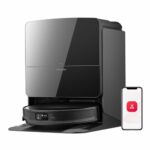
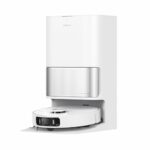
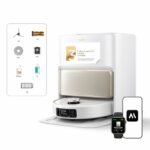
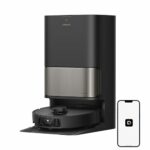
Introduction
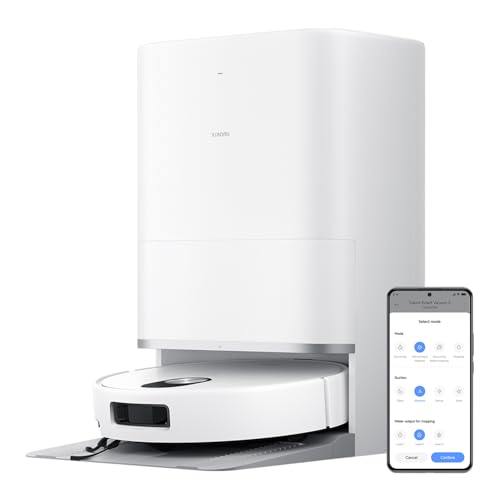
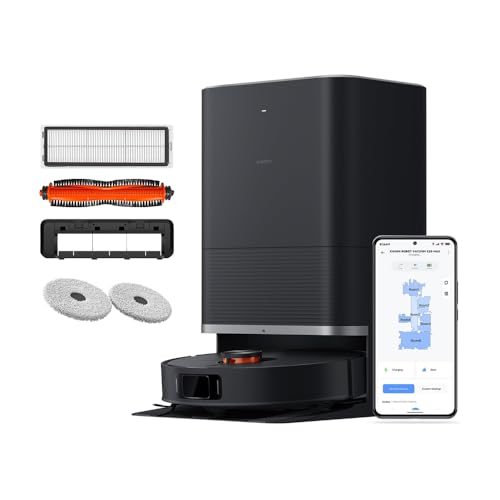
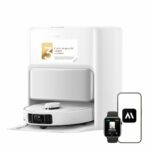
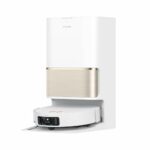
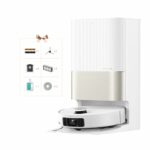
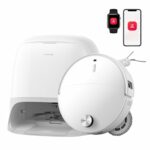
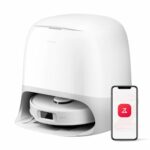
The Xiaomi Robot Vacuum 5 arrives in 2025 as the brand's latest proposal, whilst the Xiaomi X20 Max launched in 2024 as a solid mid-range option. Both models share the same manufacturer and several core features, yet the newer release brings meaningful upgrades that justify a closer look. These are complete cleaning solutions with multifunction bases, designed for users who want minimal intervention in their daily cleaning routine.
The Robot Vacuum 5 positions itself as a more powerful and refined version, particularly suited to larger homes or those with demanding cleaning requirements. The X20 Max remains a capable option for medium-sized properties where exceptional suction isn't the priority. Understanding where they differ helps clarify which suits your specific needs.
Key Differences at a Glance
- Suction power: 20,000 Pa versus 8,000 Pa
- Battery runtime: 140 minutes compared to 120 minutes
- Mop lift height: 15 mm versus 10 mm
- Robot height: 88 mm against 97 mm
- Navigation system: retractable LiDAR versus traditional tower
- Extendable side brush present only in the Robot Vacuum 5
- Anti-tangle side brush exclusive to the newer model
- LED night vision available only in the X20 Max
- Self-cleaning tray feature in the Robot Vacuum 5
Power and Suction
The most striking contrast lies in raw suction capability. The Xiaomi Robot Vacuum 5 delivers 20,000 Pa, a substantial leap from the X20 Max's 8,000 Pa. This difference becomes evident when tackling embedded dirt in carpets or dealing with pet hair ground into textiles. For homes with rugs or households where deep cleaning matters, this gap in performance can't be overlooked.
Both models feature the TriCut 3.0 main brush, which combines bristles with cutting blades to reduce hair tangles. Neither offers an elevating main brush during mopping, so the same roller handles both tasks. What sets the Robot Vacuum 5 apart is its extendable side brush, which reaches further into corners and edges. This side brush also benefits from anti-tangle technology, something absent in the X20 Max. For homes with longer hair or pets, these refinements make a tangible difference in maintenance frequency.
Neither unit lifts its side brush when mopping, which means both brushes remain active throughout the cleaning cycle.
Mopping
Both robots employ dual rotating mopas that extend to reach edges more effectively. The Xiaomi Robot Vacuum 5 lifts its mopas up to 15 mm, whilst the X20 Max manages 10 mm. That extra 5 mm allows the newer model to better clear thicker carpets or rugs without dragging wet mopas across them. In practice, this means fewer situations where you need to manually intervene or section off areas.
Water temperature for floor mopping remains cold in both cases. The multifunction bases wash the mopas with hot water and dry them using warm air, ensuring they return to work clean and odour-free. Neither robot automatically detaches its mopas at the base for vacuum-only sessions, nor do they detect dirt levels on floors or mopas to trigger additional passes.
The mopping experience is broadly similar, with the Robot Vacuum 5 holding a slight advantage in carpet clearance thanks to its higher lift.
Navigation System
The Xiaomi Robot Vacuum 5 introduces a retractable LiDAR system, which lowers the overall robot height to 88 mm. The X20 Max uses a traditional LiDAR tower design, resulting in a 97 mm profile. That 9 mm difference can determine whether the robot fits beneath certain furniture pieces, particularly low-slung beds or cabinets. If your home has tight clearances, this becomes a practical consideration.
Both models include 3D laser sensors at the front for obstacle avoidance, and both feature intelligent cleaning algorithms. Neither incorporates an AI camera, so there's no remote viewing capability or pet recognition. The X20 Max does include LED night vision, which the Robot Vacuum 5 omits. This helps the X20 Max navigate better in dim conditions, though the retractable LiDAR in the newer model compensates through its mapping precision.
Both robots handle obstacle climbing up to 20 mm, suitable for standard door thresholds and minor floor transitions.
Battery and Autonomy
Battery capacity sits at 5,200 mAh in both units. The Xiaomi Robot Vacuum 5 extracts 140 minutes of runtime from this capacity, whilst the X20 Max achieves 120 minutes. The 20-minute gain likely reflects efficiency improvements in the newer model's motor and navigation. For larger homes, those extra minutes can mean completing the cleaning cycle without an interim recharge.
Neither specification sheet provides charging time or maximum recommended surface area, so direct comparisons on those fronts aren't possible. The extended runtime does suggest the Robot Vacuum 5 handles more ground per charge, which matters in properties exceeding 100 square metres.
Smart Features
Both robots support external voice assistants like Alexa and Google Home, allowing hands-free control through existing smart home ecosystems. Neither includes a proprietary voice assistant or robotic arm functionality. The intelligent cleaning features are present in both, though the specifics of their AI algorithms aren't detailed in the available data.
The 20 mm obstacle-climbing capability shared by both models ensures they handle typical household challenges like thick rugs or minor level changes without getting stranded.
Multifunction Base
Both bases offer auto-emptying of the dust bin, hot water mop washing, and warm air drying. Dust bag capacity is identical at 2.5 litres, and water tank sizes match at 4 litres for clean water and 3.8 litres for dirty water. Neither base includes a detergent dispenser, UV disinfection, or plumbing connection options.
The key distinction here is the self-cleaning tray in the Xiaomi Robot Vacuum 5's base. This feature automatically rinses the washing tray after cleaning the mopas, reducing the frequency with which you need to manually clean the base itself. The X20 Max lacks this, meaning you'll need to periodically clean the tray by hand to prevent residue build-up.
For users prioritising minimal maintenance, this self-cleaning tray represents a genuine convenience upgrade.
Dimensions
The Xiaomi Robot Vacuum 5 measures 350 mm in diameter and stands 88 mm tall. The X20 Max shares the same diameter but rises to 97 mm. That lower profile in the Robot Vacuum 5 stems from its retractable LiDAR, enabling access to spaces the X20 Max simply can't reach.
Base dimensions differ slightly. The Robot Vacuum 5's base spans 360 mm wide, 572 mm tall, and 470 mm deep. The X20 Max's base is 340 mm wide, 563 mm tall, and 420 mm deep. The newer model's base occupies a bit more floor space, which may matter in tighter laundry rooms or corners. Neither base is particularly compact, so plan for a dedicated spot with nearby power access.
Real-World Use Experience
In larger homes, the Xiaomi Robot Vacuum 5's superior suction and extended runtime make it the more capable choice. The 20,000 Pa suction handles embedded dirt and pet hair more effectively, whilst the 140-minute battery ensures coverage without interruption. The extendable, anti-tangle side brush reduces the time spent clearing wrapped hair, and the self-cleaning base tray cuts down on maintenance tasks.
For households with pets, the Robot Vacuum 5's anti-tangle side brush and higher suction offer clear advantages. The TriCut 3.0 main brush in both models helps, yet the added side brush refinement in the newer model tips the balance. The 15 mm mop lift also means fewer scenarios where pet areas with rugs require manual intervention.
If your home has low-clearance furniture, the 88 mm height of the Robot Vacuum 5 becomes a decisive factor. That extra 9 mm clearance compared to the X20 Max can be the difference between reaching under beds or skipping them entirely. In practice, this means more thorough coverage with less manual spot cleaning.
The X20 Max remains a solid option for smaller properties or those without demanding cleaning needs. Its 8,000 Pa suction handles everyday dust and debris on hard floors, and the 120-minute runtime suffices for flats or modest houses. The LED night vision helps in dimly lit spaces, though the absence of an extendable side brush and self-cleaning tray means slightly more hands-on upkeep.
Conclusion: Which Should You Choose?
Choose the Xiaomi Robot Vacuum 5 if: you live in a larger home where extended runtime and powerful suction matter. It's the better pick for households with pets, thanks to the anti-tangle side brush and higher suction. If you have low-clearance furniture, the 88 mm height opens up spaces the X20 Max can't reach. The self-cleaning base tray also suits those who want to minimise manual maintenance. For users seeking the most capable robot aspirador Xiaomi in 2025, this is the model to consider.
Choose the Xiaomi X20 Max if: you're working with a smaller property where 120 minutes of runtime covers your needs. The 8,000 Pa suction handles routine cleaning on hard floors and low-pile rugs without issue. If you frequently clean in dim conditions, the LED night vision provides an edge. This model offers a solid balance for users who don't require the absolute highest performance but still want a multifunction base and reliable navigation. It's a sensible option for those prioritising value over cutting-edge specifications.
In this comparativa de robots aspiradores, the Xiaomi Robot Vacuum 5 emerges as the more advanced choice, justifying its position as the mejor robot aspirador 2025 from Xiaomi's range. The X20 Max remains relevant for less demanding scenarios, yet the differences in suction, autonomy, and design refinements make the newer model the stronger all-rounder.