Introduction
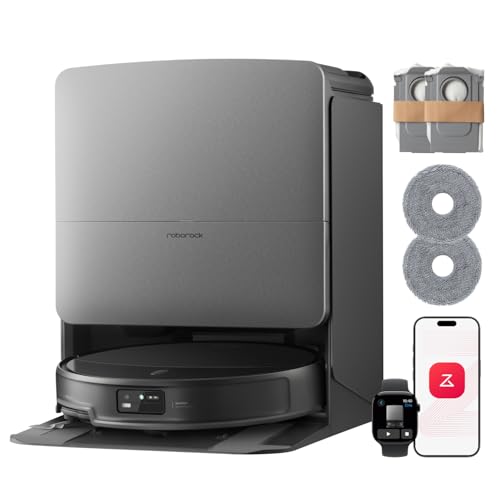
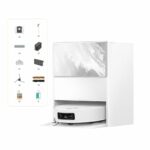
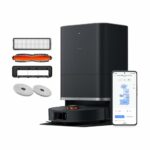
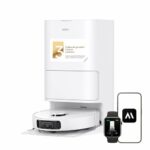
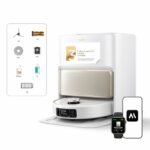
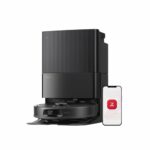
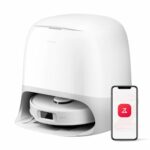
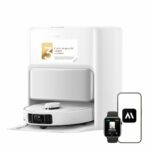
The Roborock Saros 20 and Dreame X50 Ultra Blanca represent two premium cleaning solutions from the industry's leading manufacturers. The Roborock model, launching in February 2026, brings the latest innovations from the world's top robot vacuum brand, whilst Dreame's 2025 offering continues the company's tradition of packing high-end features at competitive price points. Both models feature multifunctional bases with automatic emptying, mop washing and drying capabilities, making them suitable for users seeking a truly hands-free cleaning experience.
These aren't entry-level devices. They're designed for households that want comprehensive automation without constant maintenance. The multifunctional bases handle the dirty work, washing and drying mops automatically so the robots can maintain consistent cleaning quality throughout each session.
Power and Suction
The suction power gap between these models is substantial. The Roborock Saros 20 delivers 36,000 Pa, significantly outperforming the Dreame X50 Ultra Blanca's 20,000 Pa. In practical terms, this means the Roborock model can handle deeper carpet cleaning and extract more embedded debris from textile surfaces. For homes with thick rugs or households with pets that shed heavily, this difference becomes noticeable during daily use.
Both robots feature 6,400 mAh batteries, providing ample capacity for extended cleaning sessions. The Dreame specifies 180 minutes of runtime, which should cover most residential properties comfortably.
The brush systems differ in design philosophy. Roborock's DuoDivide anti-tangle brush uses a unique configuration that channels hair towards the central suction point, reducing tangles significantly. Dreame employs its dual HyperStream brush system, with two brushes anchored at one end to minimise hair wrapping. Both approaches effectively address the common problem of hair entanglement, though they achieve it through different engineering solutions.
Each model includes side brushes that can extend to reach corners more effectively and lift during mopping to avoid interfering with wet cleaning. The anti-tangle properties extend to the side brushes as well, maintaining consistent performance with minimal maintenance.
Mopping Performance
Both robots use dual rotating mops, but their implementations reveal meaningful differences. The Roborock Saros 20 offers standard mop extension for edge cleaning, whilst the Dreame X50 Ultra Blanca incorporates Roboswing technology—a subtle swaying motion that helps the mop reach slightly under furniture edges and skirting boards.
Mop lift height matters when transitioning from hard floors to carpets or rugs. The Saros 20 raises its mops between 12-22 mm, providing greater clearance than the X50 Ultra's 10.5 mm lift. This extra height can prevent damp mops from touching low-pile rugs during mixed-surface cleaning runs.
A notable distinction appears in floor cleaning technology: the Roborock Saros 20 uses warm water for mopping, which can help dissolve stubborn marks and grease more effectively than the cold water system in the Dreame model. This feature particularly benefits kitchens and high-traffic areas where sticky residues accumulate.
Both bases wash mops with hot water and dry them using heated air, ensuring thorough hygiene between cleaning sessions and after completion. This prevents odours and bacterial growth that plague robots with inadequate drying systems. The Saros 20 cleans its washing tray with hot water, whilst the Dreame employs third-generation self-cleaning technology for its tray maintenance.
Each robot can automatically remove its mops at the base when you want vacuum-only cleaning, and both feature dirt detection that triggers additional cleaning passes when sensors identify particularly soiled areas on floors or dirty mops requiring rewashing.
Navigation Systems
The Roborock Saros 20 uses StarSight 2.0 navigation, whilst the Dreame X50 Ultra Blanca relies on retractable LiDAR technology. Both systems incorporate dual AI cameras and 3D laser sensors at the front, enabling sophisticated obstacle detection and avoidance.
The Saros 20 recognises up to 300 different objects, giving it a broader recognition database than the X50 Ultra's 200 items. This expanded library helps the Roborock model identify and appropriately respond to more household items, reducing the likelihood of getting stuck or pushing objects around.
Both robots detect pets and curtains specifically, adjusting their behaviour to avoid disturbing animals or getting tangled in hanging fabrics. LED illumination enables effective navigation in dark spaces, and remote camera access allows you to check on your home through the robot's vision system.
The Roborock features SmartPlan 3.0 intelligent cleaning, whilst Dreame implements CleanGenius AI with its Sage 13.0 Octa-core processor. Both systems analyse rooms, recognise stains, and adapt cleaning strategies accordingly.
Battery and Coverage
With identical 6,400 mAh batteries, both models offer substantial energy reserves. The Dreame X50 Ultra Blanca specifies 180 minutes of operation, which translates to coverage for large homes before requiring a recharge. The Roborock doesn't list specific runtime figures, but the battery capacity suggests comparable performance.
In practice, actual runtime varies based on cleaning mode, suction power settings, and whether the robot is vacuuming, mopping, or both simultaneously. Higher suction levels naturally consume more power but deliver more thorough results.
Smart Features
Both robots can climb single-step obstacles up to 4 cm high, helping them transition between rooms with different floor levels or navigate over door thresholds and thick carpet edges without getting stranded.
Each model includes its own voice assistant alongside compatibility with external systems like Alexa and Google Home. This provides flexible control options whether you prefer using the manufacturer's ecosystem or integrating the robot into your existing smart home setup.
Multifunctional Base Station
The base stations handle the maintenance work that makes these robots genuinely autonomous. Both empty dust automatically, wash mops with hot water, and dry them using heated air. They include detergent dispensers that add cleaning solution during mop washing for enhanced hygiene.
The Dreame X50 Ultra Blanca incorporates UV disinfection, adding an extra sanitisation layer that the Roborock Saros 20 doesn't offer. This feature appeals to households particularly concerned about bacterial elimination.
Dust bag capacity differs: 2.5 litres for the Saros 20 versus 3.2 litres for the X50 Ultra. The larger Dreame bag requires less frequent replacement, though both capacities should last several weeks in typical households.
Water tank sizes favour the Dreame slightly. The X50 Ultra holds 4.5 litres of clean water and 4 litres of dirty water, compared to the Saros 20's 4-litre clean and 3-litre dirty capacities. These differences matter less in practice since both provide sufficient reserves for multiple cleaning sessions.
The Dreame offers an optional plumbing connection kit (sold separately) that allows direct water supply and drainage. This eliminates manual tank filling and emptying entirely, though it requires installation and isn't included as standard.
Physical Dimensions
The Roborock Saros 20 stands 79.8 mm tall with a 353 mm diameter. The Dreame X50 Ultra Blanca measures 89 mm high with a 350 mm diameter. That 9.2 mm height difference means the Roborock can access lower clearances under furniture, potentially cleaning areas the Dreame cannot reach. For homes with low-profile sofas, beds, or cabinets, this becomes a practical advantage.
Base station footprints differ in configuration. The Saros 20's base measures 381 mm wide, 488 mm tall, and 475 mm deep. The X50 Ultra's base is narrower at 340 mm but taller at 590.5 mm, with 456.7 mm depth. Consider your available floor space when choosing—the Dreame base requires more vertical clearance whilst the Roborock needs additional width.
Real-World Usage Considerations
For larger properties, both models have sufficient battery capacity, though the Roborock's superior suction power makes it more effective for homes with extensive carpeted areas. The 36,000 Pa suction handles deep-pile carpets and extracts pet hair more aggressively than the Dreame's 20,000 Pa system.
Pet owners will appreciate both models' anti-tangle brush designs and strong suction, but the Roborock's higher power and broader object recognition (300 versus 200 items) give it an edge in multi-pet households where fur accumulation is constant.
The Roborock's warm water mopping proves beneficial in kitchens and dining areas where grease and food residues require more aggressive cleaning. The Dreame's cold water system still provides effective cleaning, particularly when combined with its Roboswing edge-reaching technology.
If you have furniture with minimal ground clearance, the Roborock's lower profile (79.8 mm versus 89 mm) expands the cleanable area significantly. This seemingly small difference determines whether the robot can maintain cleanliness under beds, sofas, and cabinets or leaves those spaces untouched.
Maintenance frequency differs slightly. The Dreame's larger dust bag (3.2 litres) extends replacement intervals compared to the Roborock's 2.5-litre capacity. Conversely, the Roborock's smaller water tanks require more frequent refilling if you're mopping large areas regularly.
Conclusion: Which Should You Choose?
Choose the Roborock Saros 20 if: You need maximum suction power for thick carpets or heavy pet shedding. The 36,000 Pa performance significantly outclasses the competition. It's also the better choice if you have low-clearance furniture, as the 79.8 mm height accesses spaces the taller Dreame cannot. The warm water mopping system benefits households dealing with kitchen grease and stubborn floor marks. If you value the most advanced object recognition (300 items) and prefer Roborock's established reliability and app ecosystem, this model justifies its premium positioning.
Choose the Dreame X50 Ultra Blanca if: You want UV disinfection for additional sanitisation peace of mind. The larger dust bag (3.2 litres) and water tanks reduce maintenance frequency, and the Roboswing technology helps reach edges more effectively. The optional plumbing connection kit (purchased separately) appeals if you're willing to invest in permanent installation for completely hands-free operation. The X50 Ultra typically offers these features at a more accessible price point than Roborock's latest technology, making it excellent value for households that don't require the absolute highest suction power or the lowest profile design.