Introduction
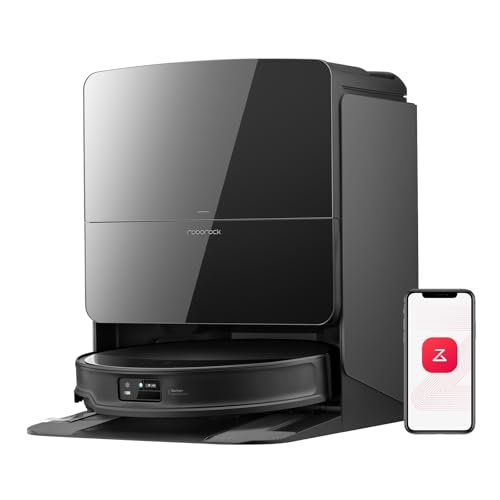
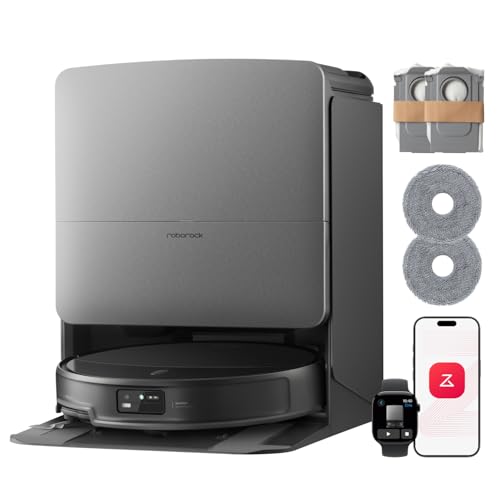
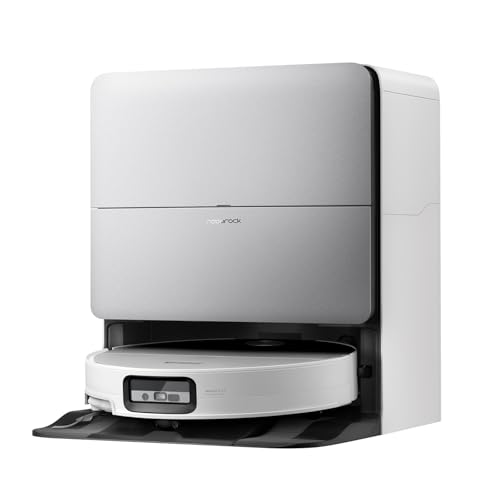
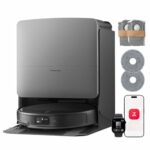
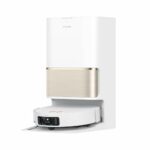
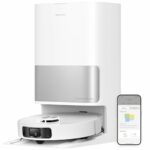
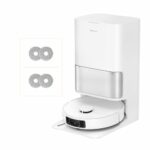
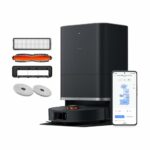
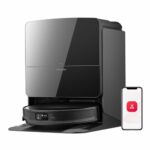
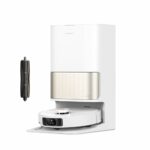
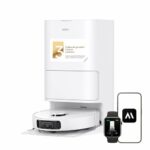
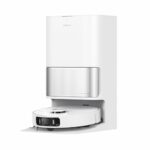
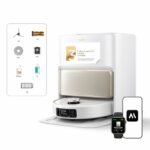
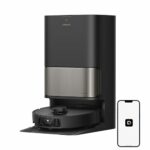
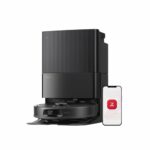
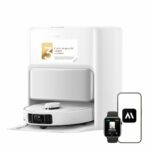
Roborock has launched three flagship models that represent the cutting edge of cleaning technology for 2025 and early 2026. The Roborock Saros 10R arrived in 2025, whilst the Roborock Saros 20 followed in February 2026, and the Roborock Saros 20 Sonic completed the trio in March 2026. These are premium cleaning solutions designed for users who demand exceptional performance across both vacuuming and mopping tasks.
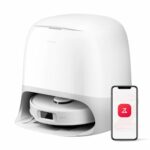
All three models feature multifunctional bases that handle automatic emptying, mop washing with hot water, and hot air drying. They're built for larger homes where autonomous cleaning with minimal intervention is essential. The differences between them, whilst subtle in some areas, can significantly impact performance depending on your specific needs.
Suction Power and Cleaning Performance
The most striking difference lies in suction capability. The Roborock Saros 10R delivers 18,500 Pa, which is robust for most households. However, the Saros 20 and Saros 20 Sonic double this with 36,000 Pa. In practical terms, this translates to superior performance on carpets, better extraction of embedded dirt, and more effective cleaning in a single pass.
All three share the DuoDivide Anti-Tangle brush system, which pushes hair towards the central suction point to minimise tangling. This matters considerably if you have pets or long-haired family members. The main brush can lift during mopping to avoid dragging debris across wet floors.
The side brush setup is identical across all models: extensible to reach corners more effectively, elevatable during mopping, and designed to resist hair entanglement. This consistency means edge cleaning performance remains excellent regardless of which model you choose.
Mopping Systems
Here's where the Saros 20 Sonic diverges from its siblings. The Roborock Saros 10R and Saros 20 both use dual rotating mops, which spin to scrub floors rather than simply dragging across surfaces. The Saros 20 Sonic employs sonic vibration technology instead, using rapid oscillations to break down stubborn marks.
All three extend their mops to clean right up to skirting boards and can elevate them when crossing carpets. The Saros 10R and Saros 20 lift their mops between 12-22 mm, whilst the Sonic version manages 8-18 mm. This difference might matter if you have particularly thick rugs, though all three offer sufficient clearance for standard carpeting.
Each model uses warm water for floor mopping, which helps dissolve grease and dried-on stains more effectively than cold water. They all detect dirt on both the mops themselves and the floor surface, triggering additional cleaning passes when needed. The ability to automatically remove mops at the base means you can run vacuum-only sessions without manual intervention.
Navigation Technology
The Roborock Saros 10R and Saros 20 utilise StarSight 2.0 navigation, combining dual AI cameras with 3D laser sensors for precise mapping and obstacle avoidance. The Saros 20 Sonic takes a different approach with retractable LiDAR, which can lower into the robot body when not needed.
Object recognition capability shows significant evolution. The Saros 10R identifies 108 different obstacles, which covers most household items. The Saros 20 and Saros 20 Sonic expand this to 300 recognised objects. This broader database means better decision-making around unfamiliar items and reduced risk of getting stuck.
Only the two 2026 models detect curtains, allowing them to navigate around hanging fabric without becoming entangled. All three recognise pets, offer remote camera access for checking on your home, and include LED illumination for navigation in dark conditions. This makes them suitable for households with animals and users who value security monitoring features.
Battery Life and Coverage
Each robot houses a 6,400 mAh battery. The Saros 10R specifies 180 minutes of runtime, though Roborock hasn't published equivalent figures for the newer models. In practice, battery capacity matters less with these high-end robots because they automatically return to recharge and resume cleaning where they left off.
The lack of specified maximum coverage area for any model suggests they're designed to handle virtually any residential space through their recharge-and-resume functionality. For exceptionally large homes, this autonomous battery management proves invaluable.
Smart Features
All three can climb single-level obstacles, helping them transition between rooms with different flooring heights or cross door thresholds without assistance. Each includes a built-in voice assistant alongside compatibility with Alexa and Google Home, allowing voice control through multiple platforms.
The SmartPlan AI system appears across the range, learning your home layout and cleaning patterns to optimise routes and schedules. Combined with AI-powered stain recognition, these robots adapt their cleaning intensity based on actual dirt levels rather than following rigid patterns.
Multifunctional Base Station
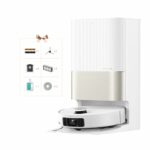
Every model comes with a comprehensive base that automatically empties the dust container into a 2.5-litre bag, washes mops with hot water, and dries them using heated air. This combination virtually eliminates daily maintenance.
The key difference lies in base tray cleaning. The Saros 10R features version 2.0 of the self-cleaning system, whilst the Saros 20 and Saros 20 Sonic upgrade to hot water tray washing. This enhanced cleaning reduces bacterial growth and odours more effectively.
Water tank capacities remain consistent: 4 litres for clean water, 3 litres for dirty water. All three include detergent dispensers for automated cleaning solution management. None offers UV disinfection or integrated plumbing connections, though this keeps the systems simpler and more reliable.
Physical Dimensions
The robots themselves are identical in size: 353 mm diameter and 79.8 mm tall. This height allows them to slip under most furniture whilst the diameter represents standard sizing for navigation through typical doorways and between chair legs.
Base station dimensions differ slightly. The Saros 10R and Saros 20 measure 381 mm wide, 488 mm tall, and 475 mm deep. The Saros 20 Sonic's base is 409 mm wide, 470 mm tall, and 440 mm deep—slightly wider but shorter and less deep. Consider your available floor space when choosing where to position the base.
Real-World Performance
For homes with pets, all three models excel thanks to their anti-tangle brush systems and powerful suction. The Saros 20 and Saros 20 Sonic's doubled suction power makes them particularly effective at lifting pet hair from carpets and upholstery.
In larger properties, the enhanced object recognition in the 2026 models reduces the likelihood of cleaning interruptions. The ability to identify 300 objects versus 108 means fewer instances where the robot requests assistance with an unfamiliar item.
The sonic mopping technology in the Saros 20 Sonic may prove advantageous for homes with stubborn floor stains or textured tiles where vibration helps dislodge embedded dirt. The rotating mops in the other models work exceptionally well on smooth hard floors and light soiling.
Curtain detection in the Saros 20 and Saros 20 Sonic matters if you have floor-length drapes or tablecloths. Without this feature, the Saros 10R might occasionally become caught, requiring manual intervention.
Conclusion: Which Should You Choose?
Choose the Roborock Saros 10R if you want flagship performance at potentially lower cost, don't have extensive curtains or drapes, and find 18,500 Pa sufficient for your flooring types. It's an excellent choice for smaller to medium homes without thick carpeting.
Choose the Roborock Saros 20 if you need maximum suction power for deep carpet cleaning, want the most advanced object recognition, have curtains that could pose entanglement risks, and prefer rotating mop technology. This suits larger homes with varied flooring and complex layouts.
Choose the Roborock Saros 20 Sonic if you specifically want sonic vibration mopping for stubborn stains, need powerful suction combined with cutting-edge navigation, and have a slightly different space for the base station. The retractable LiDAR design may also appeal if you prefer this navigation approach over camera-based systems.
All three represent exceptional cleaning solutions with comprehensive automation. Your choice ultimately depends on whether you prioritise maximum suction power, specific mopping technology, or the most advanced obstacle recognition available.