Introduction
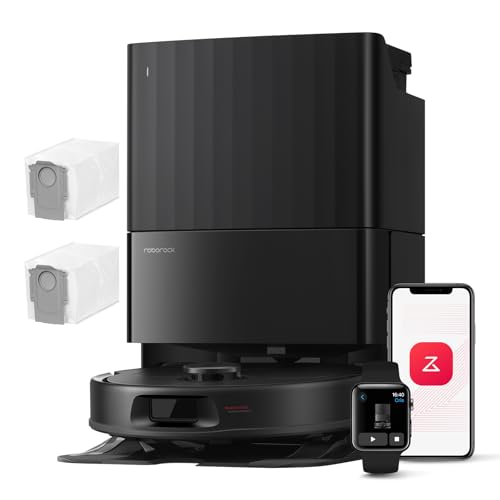
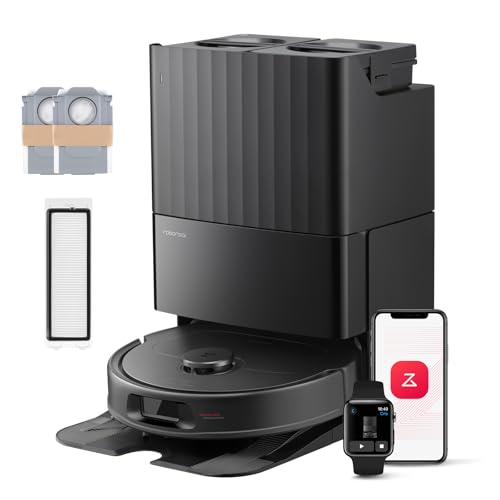
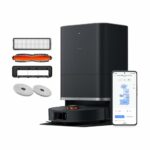
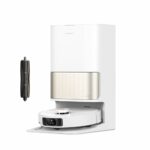
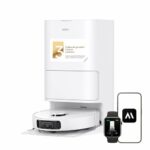
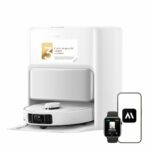
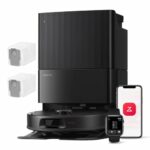
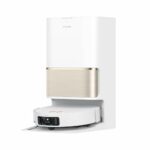
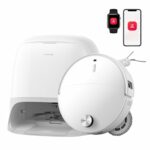
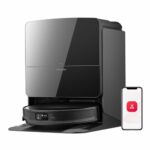
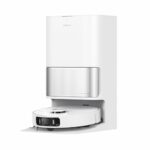
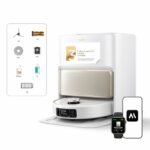
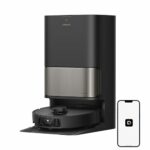
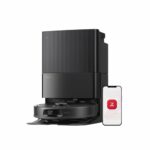
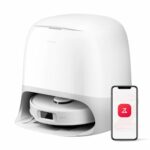
The Roborock QV 35A and Roborock QV 35S are two freshly launched models from 2025 that sit within the brand's mid-range lineup. Both robots come equipped with multifunctional bases that handle self-emptying, mop washing, and drying—features that transform the cleaning experience from a daily chore into something genuinely hands-off. These aren't flagship models packed with every conceivable bell and whistle, but they deliver solid performance for households looking for reliable automated cleaning without breaking the bank.
What sets them apart is primarily their suction power. The QV 35S pushes ahead with 10,000 Pa, whilst the QV 35A offers 8,000 Pa. Everything else remains remarkably similar, which makes this comparison particularly interesting for anyone weighing up whether that extra suction justifies a potential price difference.
Key Differences at a Glance
- Suction power: 8,000 Pa (QV 35A) versus 10,000 Pa (QV 35S)
Power and Suction
The standout difference in this comparison centres on suction strength. The Roborock QV 35A delivers 8,000 Pa, which handles most everyday dirt, dust, and debris across hard floors and low-pile rugs without breaking a sweat. The Roborock QV 35S steps things up to 10,000 Pa, offering noticeably more pulling power for homes with medium-pile carpets, pet hair, or stubborn dirt embedded in textured surfaces.
Both models use a simple main brush design—not the anti-tangle variants found in higher-end Roborock machines. This means households with long-haired occupants or shedding pets will need to perform regular maintenance to keep the brush clear. The side brushes, however, do feature anti-tangle properties, which helps reduce the frequency of manual intervention around edges and corners.
Neither robot offers a lifting main brush during mopping, nor do they include an extendable side brush for tackling corners more aggressively. These are features reserved for premium models, but their absence doesn't undermine the overall cleaning capability in typical home environments.
Mopping Performance
Mopping is handled identically across both machines. Each robot uses dual rotating mops that spin to scrub floors rather than simply dragging a damp cloth behind. The mops lift by 10 mm when the robot detects carpet, preventing wet mops from soaking rugs—a practical touch that saves you from manual intervention.
The base washes the mops with cold water and dries them using cold air. Whilst hot water washing and heated drying would speed things up and potentially improve hygiene, the cold system still does a decent job at keeping the mops fresh between sessions. The 4-litre clean water tank and 3.5-litre dirty water tank mean you won't be refilling or emptying constantly, even in larger homes.
Neither model can automatically detach its mops at the base for vacuum-only sessions, nor do they detect dirt levels on the floor or mops to trigger a re-clean. These are more advanced features found in top-tier robots, but their absence won't be a dealbreaker for most users who simply want consistent, automated mopping.
Navigation System
Both the QV 35A and QV 35S rely on a 3D LiDAR tower for navigation, which builds accurate floor plans and ensures methodical, row-by-row cleaning patterns. Obstacle avoidance is present, though neither robot includes a front-facing AI camera, 3D laser sensors, or LED lighting for night vision. This means they'll dodge larger objects like shoes or chair legs, but smaller items—think charging cables or pet toys—might occasionally cause a pause or minor collision.
SmartPlan 1.0 is the brains behind the operation, offering intelligent cleaning routines that adapt to your home layout. However, advanced AI features like automatic dirt detection or pet recognition aren't part of the package. Remote camera access isn't available either, so you won't be checking in on your pets or home whilst the robot cleans.
Battery and Autonomy
Both models house a 5,200 mAh battery that delivers 180 minutes of runtime. That's enough to cover substantial floor areas in a single session, making them well-suited to homes up to around 200 square metres. When the battery runs low mid-clean, the robot returns to the base, recharges, and resumes where it left off—a feature that proves invaluable in larger properties.
Smart Features
Each robot can climb over obstacles up to 20 mm high, which means transitions between hard floors and thick rugs, or small door thresholds, won't stop them in their tracks. Neither model includes a robotic arm for picking up objects or a built-in voice assistant, but both integrate smoothly with Alexa and Google Home for voice control through external smart speakers.
Multifunctional Base
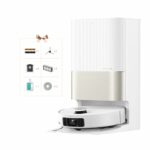
The base station is identical across both models. It automatically empties the robot's 330 ml dustbin into a 2.7-litre dust bag, washes the mops with cold water, and dries them with cold air. There's no self-cleaning tray, UV disinfection, or detergent dispenser, and the base doesn't support plumbing connections—either built-in or via an optional kit. You'll need to manually refill clean water and empty the dirty water tank, but given the generous capacities, this won't be a daily task.
Dimensions
Both robots measure 353 mm in diameter and stand 96.5 mm tall. That low profile allows them to slip under most sofas, beds, and cabinets without getting stuck. The base measures 340 mm wide, 521 mm tall, and 487 mm deep, so you'll need to allocate a decent corner or alcove for it. The footprint isn't compact, but it's manageable in most utility rooms or kitchen corners.
Real-World Use
For homes with mixed flooring—hard surfaces alongside low to medium-pile rugs—both models perform admirably. The QV 35S, with its stronger suction, has the edge in homes with pets or thicker carpets where embedded dirt and hair demand more pulling power. The QV 35A handles everyday dust and crumbs on hard floors and thin rugs without issue, making it a sensible choice for smaller homes or those without heavy soiling.
The 180-minute battery life suits larger properties comfortably, whilst the multifunctional base reduces hands-on maintenance to occasional refills and emptying. The simple main brush means you'll need to trim away tangled hair every so often, but the anti-tangle side brushes help keep corner cleaning efficient.
Homes with lots of small clutter on the floor might see the occasional hiccup given the absence of advanced AI obstacle recognition, but clearing the floor before a cleaning session remains good practice regardless of which robot you choose.
Conclusion: Which One to Choose?
Choose the Roborock QV 35A if: you live in a home with mainly hard floors or low-pile rugs, don't have heavy pet shedding, and want a capable robot aspirador without paying extra for suction you won't fully utilise. It's a solid, no-nonsense option for everyday cleaning in smaller to medium-sized homes.
Choose the Roborock QV 35S if: you have medium-pile carpets, pets that shed, or simply want the reassurance of stronger suction to tackle embedded dirt more effectively. The extra 2,000 Pa makes a tangible difference on textured surfaces and in homes where cleaning demands are higher. For anyone seeking the better robot aspirador 2025 within this range, the QV 35S offers that bit more capability for a likely modest price increase.
Ultimately, this comparison boils down to suction power. If your home environment demands it, the QV 35S is the smarter pick. If not, the QV 35A delivers excellent value without compromise.