Introduction
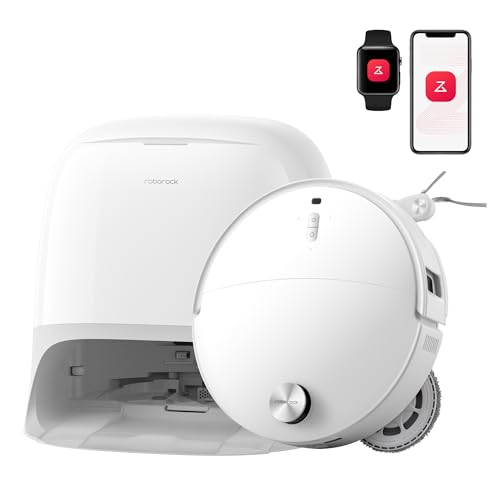
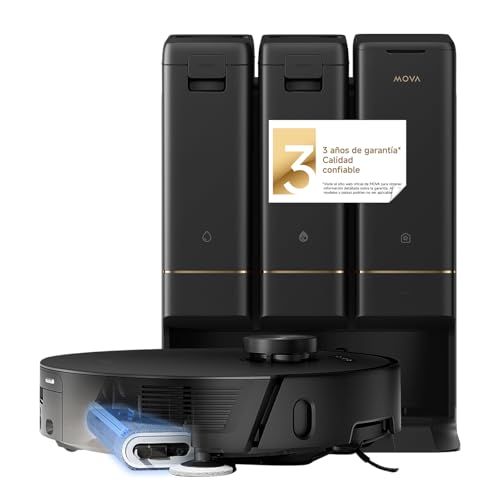
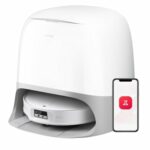
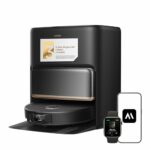
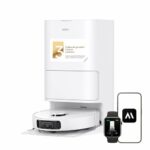
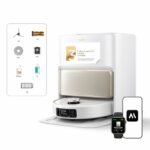
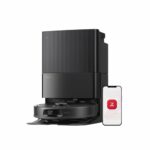
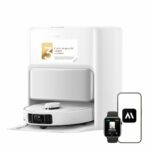
The Roborock Qrevo Curv 2 Pro and the Mova Z50 Ultra represent two distinct approaches to premium robot vacuum cleaning in 2025. The Roborock model comes from the world's leading manufacturer in this category, whilst Mova arrives as Dreame's second brand, bringing competitive specifications at a different price point. Both units feature multifunction bases that handle the complete cleaning cycle: self-emptying dust, washing mops, and drying them to prevent odours.
The Roborock Qrevo Curv 2 Pro stands out with its exceptionally low profile at just 79.8mm tall, making it ideal for homes with low-clearance furniture. The Mova Z50 Ultra, at 111mm, takes a different route with hot water mopping on the floor itself and a larger water tank on board. This comparison between robot vacuums will help you understand which model suits your home better.
Key differences at a glance
- The Roborock delivers 25,000 Pa suction versus 19,000 Pa on the Mova
- Mova uses a wide roller mop with hot water floor cleaning at 35°C; Roborock uses dual rotating mops with cold water
- Roborock measures just 79.8mm tall, the Mova reaches 111mm
- The Roborock can remove its mops at the base for vacuum-only runs; the Mova cannot
- Mova includes a detergent dispenser; Roborock doesn't
- Roborock features advanced base tray self-cleaning 3.0; Mova lacks this
- The Mova lifts its side brush during mopping; the Roborock doesn't
- Roborock recognises 200 objects, Mova identifies 160
Suction power and brushing
Suction makes a real difference when dealing with embedded dirt in carpets or heavy debris. The Roborock Qrevo Curv 2 Pro pushes 25,000 Pa, which gives it a clear edge over the Mova Z50 Ultra's 19,000 Pa. In practice, this extra power helps extract more dust from textile surfaces and handles larger particles more effectively.
The brush systems differ significantly. Roborock uses its DuoDivide anti-tangle design, which channels hair towards the central suction point to minimise tangling. The Mova employs a TriCut 3.0 brush that combines bristles with cutting blades to slice through hair as it accumulates. Both approaches reduce maintenance, though the DuoDivide system typically requires less intervention.
Both models lift their main brush during mopping to avoid dragging dirt across wet floors. However, the Mova Z50 Ultra also elevates its side brush when mopping, something the Roborock doesn't do. This small detail helps prevent wet streaks along skirting boards. Both feature extensible side brushes that reach into corners more thoroughly, and both have anti-tangle technology on the side brush itself.
Mopping systems
Here's where the philosophies diverge most clearly. The Roborock Qrevo Curv 2 Pro uses two spinning circular mops that extend to reach edges better. The Mova Z50 Ultra opts for a wide roller mop measuring 185mm, supplemented by a small side mop that tackles edges and corners.
Temperature matters. The Mova Z50 Ultra heats water to 35°C before dispensing it onto the floor, which helps dissolve grease and sticky residue more effectively. The Roborock relies on cold water for floor mopping, though its base washes the mops with hot water. For homes with kitchens that see cooking spills or sticky footprints, the hot water mopping of the Mova can make a noticeable difference.
Mop elevation also varies. The Roborock lifts its mops between 7mm and 17mm depending on the surface detected, whilst the Mova manages 7mm. The Roborock's greater lift helps it transition onto thicker rugs without wetting them. What's more, the Roborock can automatically remove its mops entirely at the base when you want a vacuum-only session. The Mova can't do this, so you'd need to remove the mop manually if you wanted pure vacuuming.
Both models detect dirt on their mops and on the floor, triggering additional cleaning passes or mop washes when needed. This adaptive behaviour ensures stubborn marks get the attention they require without you needing to intervene.
Navigation systems
Navigation technology on both robot vacuums reaches a high standard. The Roborock Qrevo Curv 2 Pro uses a retractable LiDAR sensor combined with dual AI cameras and a frontal 3D laser sensor. The Mova Z50 Ultra employs a fixed LiDAR turret with the same dual-camera and 3D sensor setup.
Object recognition gives the Roborock a slight advantage: it can identify 200 different obstacles compared to the Mova's 160. Both recognise pets, shoes, cables, and furniture with accuracy. The Mova adds specific curtain detection, which prevents the robot from pushing into hanging fabric and getting tangled. The Roborock doesn't explicitly mention this feature.
Both offer remote camera access through their apps, letting you check on your home or pets whilst you're out. LED lighting ensures the cameras work effectively even in dim conditions. The AI cleaning systems—SmartPlan 3.0 on the Roborock and CleanGenius on the Mova—adapt routes and suction based on room type and detected dirt levels.
Battery and autonomy
Battery capacity matches at 6,400 mAh on both models, which is generous for this category. The Roborock Qrevo Curv 2 Pro provides 290 minutes of runtime, enough to cover large homes in a single session. The Mova Z50 Ultra doesn't specify runtime in the data available, though the identical battery capacity suggests similar endurance.
In real-world terms, 290 minutes allows the Roborock to handle extensive floor areas without returning to recharge mid-clean. This proves particularly useful in homes exceeding 150 square metres or properties with multiple levels where you move the robot between floors.
Smart features
Obstacle climbing differs between the two. The Roborock Qrevo Curv 2 Pro uses a system called "Escalón simple adaptativo," though the exact height isn't specified in millimetres. The Mova Z50 Ultra can climb obstacles up to 22mm, which handles most door thresholds and thick rugs without issue. For homes with varied flooring levels, this capability reduces the need for intervention.
Both models include their own voice assistants and work with external systems like Alexa and Google Home. This means you can control them through voice commands whether you prefer the manufacturer's ecosystem or your existing smart home setup.
Multifunction base
The bases handle the complete maintenance cycle. Both self-empty the dust bin, wash the mops with hot water, and dry them using heated air. This automation minimises manual work and keeps the system hygienic.
The Roborock Qrevo Curv 2 Pro features base tray self-cleaning 3.0, which automatically rinses the washing tray to prevent residue build-up. The Mova Z50 Ultra doesn't include this, so you'll need to clean the tray manually from time to time. Over weeks of use, this difference becomes apparent in maintenance effort.
Detergent dispensing is exclusive to the Mova Z50 Ultra. It has a dedicated compartment that adds cleaning solution during mop washing, which helps remove stubborn grime from the mop pads. The Roborock doesn't offer this, relying on hot water alone.
Dust bag capacity favours the Mova at 4 litres versus 2.5 litres on the Roborock. Larger bags mean less frequent replacement, which reduces running costs and hassle. For clean water, the Mova holds 4.5 litres compared to 4 litres on the Roborock. Dirty water capacity is 4 litres on the Mova and 3 litres on the Roborock. These differences matter in larger homes where the robot completes multiple mopping cycles before you empty or refill tanks.
Dimensions
Height defines where each robot can venture. The Roborock Qrevo Curv 2 Pro measures just 79.8mm tall, making it one of the slimmest premium robots available. The Mova Z50 Ultra stands at 111mm, over 30mm taller. If you have sofas, beds, or cabinets with limited clearance, the Roborock will access areas the Mova simply can't reach. This can be the deciding factor for homes with low furniture.
Diameter is nearly identical: 352mm for the Roborock, 350mm for the Mova. Both navigate standard doorways and tight spaces without difficulty.
Base dimensions show the Roborock requiring more floor space at 450mm wide, tall, and deep—essentially a cube. The Mova base measures 390mm wide, 545mm tall, and 463.3mm deep, so it's narrower but taller. Consider your available floor space when deciding where the base will live.
Real-world usage
For homes with pets, the Roborock's higher suction and DuoDivide brush excel at picking up hair without constant tangling. The Mova's TriCut system also performs well, though the extra suction power gives the Roborock an edge on carpets where pet hair embeds deeply.
In kitchens and dining areas prone to sticky spills, the Mova's hot water floor mopping at 35°C tackles grease more effectively than cold water. If your household generates frequent food-related messes, this feature proves its worth.
Low furniture defines usability for many homes. The Roborock's 79.8mm profile opens up under-bed and under-sofa cleaning that the 111mm Mova simply can't manage. Measure your furniture clearance before choosing.
Maintenance effort tilts towards the Roborock thanks to automatic mop removal for vacuum-only runs and the self-cleaning base tray. The Mova requires manual mop removal if you want to vacuum without mopping, and you'll need to clean the base tray yourself. The Mova's detergent dispenser adds a small maintenance task—refilling the solution—but it also enhances mop cleanliness.
For larger homes, the Mova's bigger dust bag and water tanks reduce how often you interact with the base. The Roborock's superior suction and longer confirmed runtime suit expansive floor areas where cleaning power matters most.
Conclusion: which one to choose?
Choose the Roborock Qrevo Curv 2 Pro if: you have low-clearance furniture and need a robot that can clean underneath sofas, beds, or cabinets. The 79.8mm height is unbeatable. It's also the better option if you want maximum suction power for thick carpets or heavy pet hair, and if you value the convenience of automatic mop removal and advanced base tray self-cleaning. Homes prioritising minimal maintenance and proven brand reliability will appreciate what Roborock delivers.
Choose the Mova Z50 Ultra if: hot water mopping matters to you, especially for kitchens or areas with sticky, greasy floors. The detergent dispenser and larger dust and water capacities suit bigger homes where you want to minimise refills and bag changes. If your furniture has standard clearance and you don't need the ultra-slim profile, the Mova offers strong value with competitive features. The side brush elevation during mopping is a nice touch for cleaner edges.
Both represent solid choices in the 2025 robot vacuum landscape. Your decision hinges on whether low-profile access and maximum suction outweigh hot water mopping and larger consumable capacities. Measure your furniture, consider your floor types, and choose accordingly.