Introduction
When looking at the latest robot vacuum offerings from Roborock, two models stand out as particularly advanced options for 2025 and beyond. The Roborock Qrevo Curv 2 Flow, launching in February 2026, represents the cutting edge of what's coming next, whilst the Roborock Saros 10R is already available as a 2025 flagship. Both belong to the premium segment of robot vacuum cleaners, featuring multifunctional bases that handle everything from emptying dust to washing and drying mops.
These aren't entry-level machines. The Qrevo Curv 2 Flow pushes suction power to an impressive 20,000 Pa and introduces a 270mm roller mopping system, whilst the Saros 10R counters with a larger 6,400 mAh battery and dual rotating mops. For anyone researching the best robot vacuum for 2025 or beyond, understanding the differences between these two Roborock models becomes essential, particularly if you're weighing up whether to wait for the newer release or invest in what's available now.
Key Differences at a Glance
- The Qrevo Curv 2 Flow delivers 20,000 Pa suction versus 18,500 Pa on the Saros 10R
- Battery capacity differs significantly: 5,200 mAh (Qrevo Curv 2 Flow) versus 6,400 mAh (Saros 10R)
- Autonomy favours the Qrevo Curv 2 Flow at 242 minutes compared to 180 minutes
- Mopping systems are fundamentally different: 270mm roller on the Qrevo Curv 2 Flow versus dual rotating mops on the Saros 10R
- The Saros 10R includes an extendable side brush; the Qrevo Curv 2 Flow doesn't
- Only the Saros 10R can automatically remove its mops at the base
- The Saros 10R mops floors with warm water; the Qrevo Curv 2 Flow uses cold water
- Robot height varies considerably: 119mm for the Qrevo Curv 2 Flow versus just 79.8mm for the Saros 10R
- The Saros 10R features a detergent dispenser; the Qrevo Curv 2 Flow doesn't
- Navigation differs with the Qrevo Curv 2 Flow using 3D LiDAR turret technology whilst the Saros 10R employs StarSight 2.0
Suction Power and Brushing
Suction strength reaches 20,000 Pa on the Qrevo Curv 2 Flow, which gives it a clear advantage over the Saros 10R's 18,500 Pa. That extra 1,500 Pa can make a tangible difference when tackling ground-in dirt on carpets or dealing with pet hair embedded in rugs. Both models feature Roborock's DuoDivide anti-tangle main brush, a system designed to channel hair towards the central suction point rather than wrapping it around the roller.
The main brush on both robots lifts during mopping to prevent wet bristles dragging across floors. Side brush configuration shows an interesting divergence: the Saros 10R includes an extendable side brush that reaches further into corners, whilst the Qrevo Curv 2 Flow uses a dual anti-tangle side brush without extension capability. Both lift their side brushes when mopping to avoid flinging water droplets.
For homes with long-haired occupants or shedding pets, the DuoDivide brush technology on both models should significantly reduce maintenance time spent cutting tangled hair from rollers.
Mopping Systems
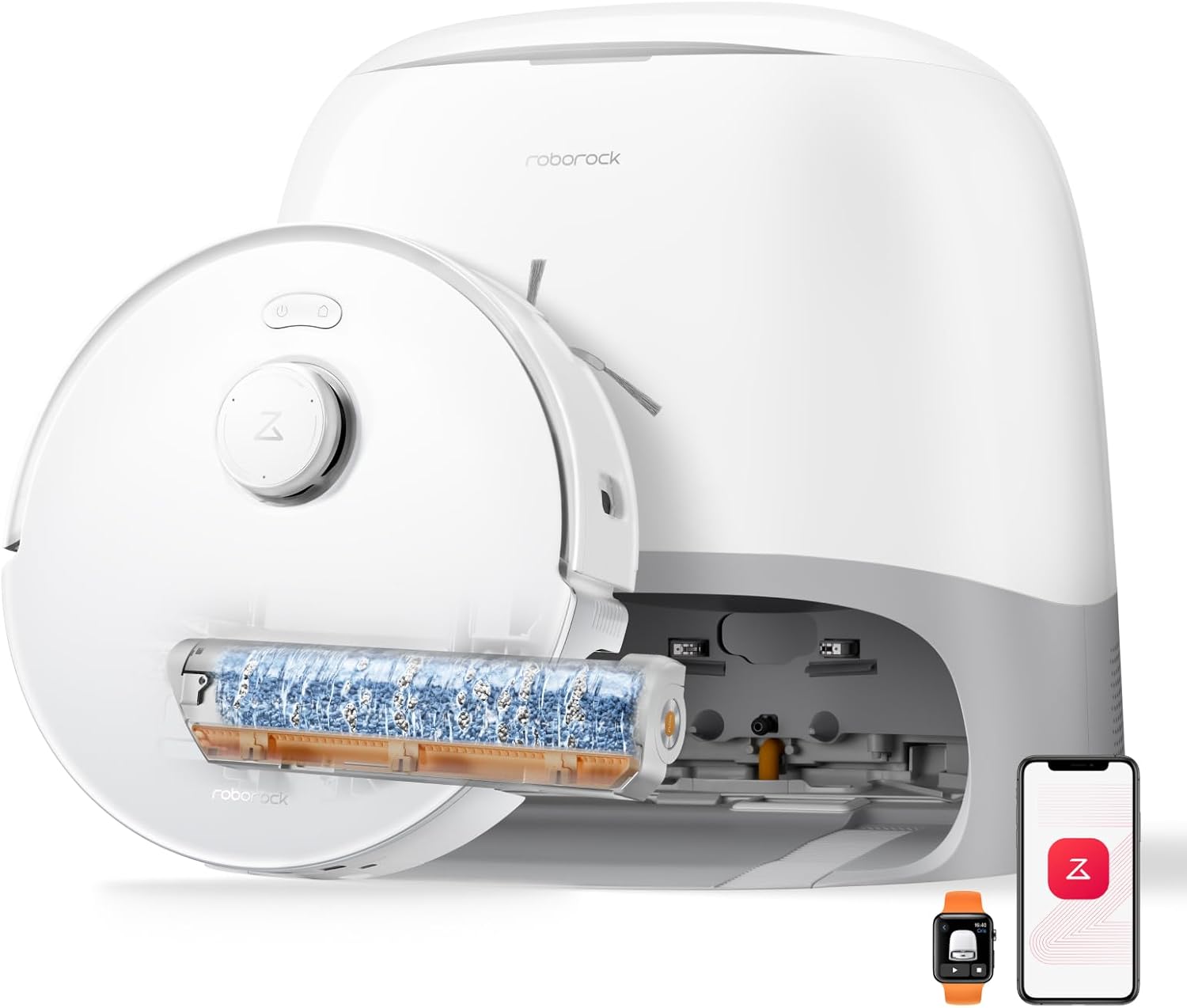
Here's where these two robot aspirador Roborock models diverge most dramatically. The Qrevo Curv 2 Flow employs a 270mm roller mop system, essentially a spinning cylinder that scrubs floors as it moves. The Saros 10R sticks with dual rotating mops that spin against the floor surface. Both approaches have merit, though roller systems typically provide more consistent pressure across the mopping width.
Mop extension for edge cleaning features on both machines, allowing them to reach right up to skirting boards. Mop lift capability differs slightly: the Qrevo Curv 2 Flow raises its roller by 15mm and includes a carpet detection feature, whilst the Saros 10R offers adjustable lift between 12-22mm depending on carpet thickness.
Water temperature during floor mopping separates these models noticeably. The Saros 10R uses warm water for cleaning floors, which helps dissolve grease and sticky residues more effectively. The Qrevo Curv 2 Flow mops with cold water. Both wash their mops at the base using hot water, and both dry them with heated air to prevent odours and bacterial growth.
The Saros 10R can automatically detach its mops at the base when you only want vacuuming, saving you from manual removal. The Qrevo Curv 2 Flow requires you to remove the roller manually if you want vacuum-only operation. Both detect dirt on their mops and on the floor itself, triggering additional cleaning passes when needed.
Navigation Systems
Navigation technology takes different approaches between these models. The Qrevo Curv 2 Flow uses a 3D LiDAR turret system, whilst the Saros 10R relies on StarSight 2.0. Both incorporate AI-powered cameras for object recognition, though the Saros 10R features dual cameras compared to a single camera on its counterpart.
Object recognition databases differ substantially. The Qrevo Curv 2 Flow can identify up to 200 different obstacles, nearly double the 108 objects recognised by the Saros 10R. In practice, this means the newer model should navigate cluttered rooms with greater confidence, though whether you actually have 200 different object types scattered about your home is another question entirely.
Both models recognise pets, feature 3D laser sensors at the front, include LED lighting for night vision, and allow remote camera access through the app. The Qrevo Curv 2 Flow runs SmartPlan 3.0 for intelligent cleaning routines, whilst the Saros 10R uses SmartPlan 2.0. Both can detect stains and adjust their cleaning approach accordingly.
Battery and Autonomy
Battery specifications reveal an interesting trade-off. The Saros 10R packs a larger 6,400 mAh battery compared to the 5,200 mAh cell in the Qrevo Curv 2 Flow. Despite this, the Qrevo Curv 2 Flow achieves 242 minutes of runtime versus just 180 minutes for the Saros 10R. This suggests significantly improved efficiency in the newer model, likely through optimised motors and smarter power management.
For larger homes, that extra hour of operation could mean the difference between completing a full clean in one session or requiring a mid-clean recharge. The Qrevo Curv 2 Flow's superior autonomy makes it better suited to extensive floor areas, even though it carries less battery capacity.
Smart Features
Both robots can climb obstacles, though the Qrevo Curv 2 Flow manages 20mm steps whilst the Saros 10R handles simple single-step obstacles without a specific height mentioned. Neither model includes a robotic arm attachment. Both feature Roborock's own voice assistant alongside compatibility with Alexa and Google Home.
Multifunction Base Station
The base stations on both models handle auto-emptying of the dust container, mop washing with hot water, and mop drying with heated air. Both feature automatic cleaning of the wash tray itself, though the Saros 10R uses a 2.0 version of this self-cleaning system. Neither offers UV disinfection or integrated plumbing connections.
Detergent dispensing only appears on the Saros 10R, which includes a dedicated reservoir for cleaning solution. The Qrevo Curv 2 Flow lacks this feature. Dust bag capacity slightly favours the Qrevo Curv 2 Flow at 2.7 litres versus 2.5 litres. Clean water tanks match at 4 litres each, whilst dirty water capacity gives the Qrevo Curv 2 Flow a 3.5-litre reservoir compared to 3 litres on the Saros 10R.
Physical Dimensions
Robot height proves crucial for furniture clearance. The Saros 10R measures just 79.8mm tall, allowing it to slip beneath most sofas and beds with ease. The Qrevo Curv 2 Flow stands considerably taller at 119mm, which will prevent it from accessing low-clearance spaces. If you need a robot vacuum that can clean under furniture, this height difference becomes a deciding factor.
Diameter matches at 353mm for both models. The Qrevo Curv 2 Flow's onboard dust container holds 324ml compared to 270ml on the Saros 10R, though both empty automatically to their base stations anyway.
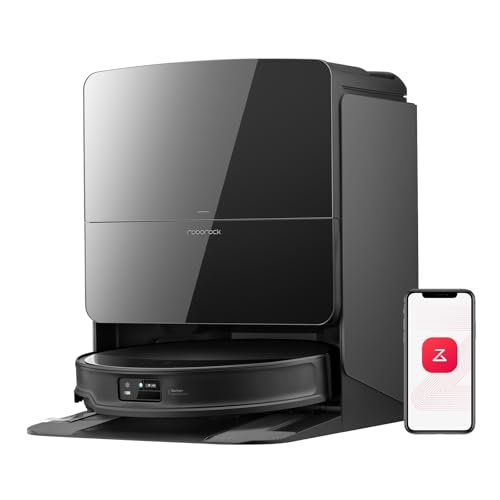
Base station footprints differ noticeably. The Qrevo Curv 2 Flow's base measures 450mm in width, height, and depth—essentially a cube. The Saros 10R's base is more compact at 381mm wide but taller at 488mm and deeper at 475mm. Floor space consumption actually favours the Saros 10R's narrower profile.
Real-World Usage Scenarios
For homes with low furniture, the Saros 10R's 79.8mm height makes it the obvious choice. The Qrevo Curv 2 Flow simply won't fit under typical sofas or beds, limiting its coverage. Conversely, the Qrevo Curv 2 Flow's longer 242-minute runtime and higher 20,000 Pa suction suit larger properties with extensive hard floors and carpeted areas.
Pet owners benefit from the DuoDivide anti-tangle brush on both models, though the Qrevo Curv 2 Flow's superior suction gives it an edge for embedded pet hair. The Saros 10R's warm water mopping and detergent dispenser make it more effective for sticky paw prints and food spills.
Maintenance convenience leans towards the Saros 10R with its automatic mop removal and detergent dosing. The Qrevo Curv 2 Flow requires manual roller removal for vacuum-only cleaning. Both wash and dry their mopping components thoroughly, minimising hands-on upkeep.
Base station placement depends on your available space. The Qrevo Curv 2 Flow's cubic base fits neatly in corners, whilst the Saros 10R's narrower but taller base works better against walls in tighter spots.
Conclusion: Which Should You Choose?
Choose the Roborock Qrevo Curv 2 Flow if: you have a large home requiring extended runtime, high clearance under furniture isn't essential, you prioritise maximum suction power, and you can wait until February 2026 for the latest technology. The 242-minute autonomy and 20,000 Pa suction make this the powerhouse option for expansive properties without low furniture.
Choose the Roborock Saros 10R if: you need a robot that fits under low furniture, warm water mopping appeals to you, automatic mop removal matters for convenience, you want a detergent dispenser for enhanced cleaning, and you need the robot now rather than waiting. The 79.8mm height and warm mopping capability make this ideal for homes with accessible furniture and sticky floor messes.
Both represent excellent choices within the robot aspirador category, and both carry the reliability Roborock has built its reputation on. The decision ultimately hinges on whether furniture clearance or raw power matters more to your specific situation, and whether you're prepared to wait for the February 2026 release of the Qrevo Curv 2 Flow.