Introduction
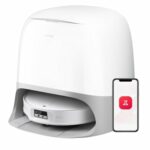
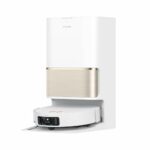
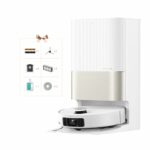
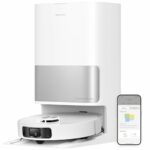
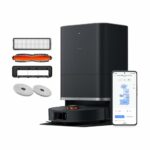
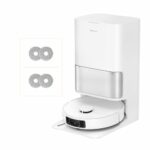
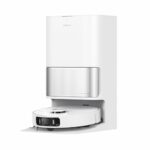
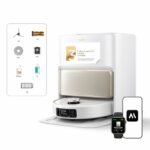
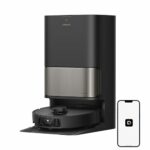
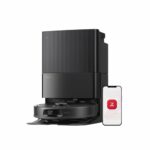
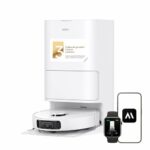
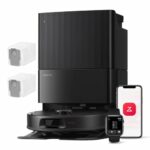
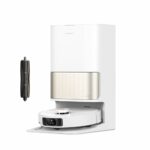
The Roborock Qrevo Curv 2 Flow and Roborock Qrevo Curv 2 Pro represent two premium offerings from the world's leading robot vacuum brand. The Pro launched in 2025, whilst the Flow is scheduled for release in February 2026. Both models sit at the top end of Roborock's range, featuring multifunctional bases that handle washing and drying of mops alongside automatic dust emptying. These aren't entry-level devices—they're designed for users who want comprehensive automated floor care without compromise.
What makes this comparison particularly interesting is that despite sharing the same product family, these two robots take noticeably different approaches to cleaning. The Flow introduces Roborock's first roller mop system, whilst the Pro sticks with the brand's proven dual rotating mop design. Both include advanced AI navigation with dual cameras and 200 obstacle recognition capabilities, making them suitable for complex homes with pets and varied floor types.
Key differences at a glance
- The Pro delivers 25,000 Pa suction versus 20,000 Pa on the Flow
- Battery capacity differs significantly: 6,400 mAh in the Pro, 5,200 mAh in the Flow
- The Flow uses a 270mm roller mop system; the Pro has dual rotating mops
- Mop elevation reaches 15mm on the Flow compared to 7-17mm on the Pro
- The Pro can automatically remove its mops at the base; the Flow cannot
- The Flow features an elevated side brush; the Pro has an extendable one instead
- Robot height varies dramatically: 79.8mm for the Pro versus 119mm for the Flow
- The Pro includes dual AI cameras whilst the Flow has a single camera
Power and suction
The Roborock Qrevo Curv 2 Pro takes the lead in raw power with 25,000 Pa suction, comfortably outpacing the Flow's 20,000 Pa. For most homes this difference won't dramatically alter day-to-day performance, but households with thick carpets or persistent pet hair will benefit from the extra headroom. In practice, anything above 15,000 Pa handles typical debris efficiently, so the Flow's specification remains more than adequate for hard floors and low-pile rugs.
Both robots feature Roborock's DuoDivide anti-tangle brush system, which channels hair towards the central suction point rather than wrapping it around the roller. This design proves particularly effective for homes with long-haired occupants or multiple pets. The main brush lifts during mopping on both models, preventing wet debris from contaminating the roller.
The side brush configuration reveals an intriguing design choice. The Flow includes an elevating side brush that lifts during mopping to avoid spreading dirty water, whilst the Pro opts for an extendable brush that reaches further into corners during vacuuming. Both approaches have merit—the Flow prioritises mopping hygiene, the Pro emphasises edge cleaning coverage. Worth noting: both models feature anti-tangle side brushes, with the Flow specifically highlighting a double brush design.
Mopping
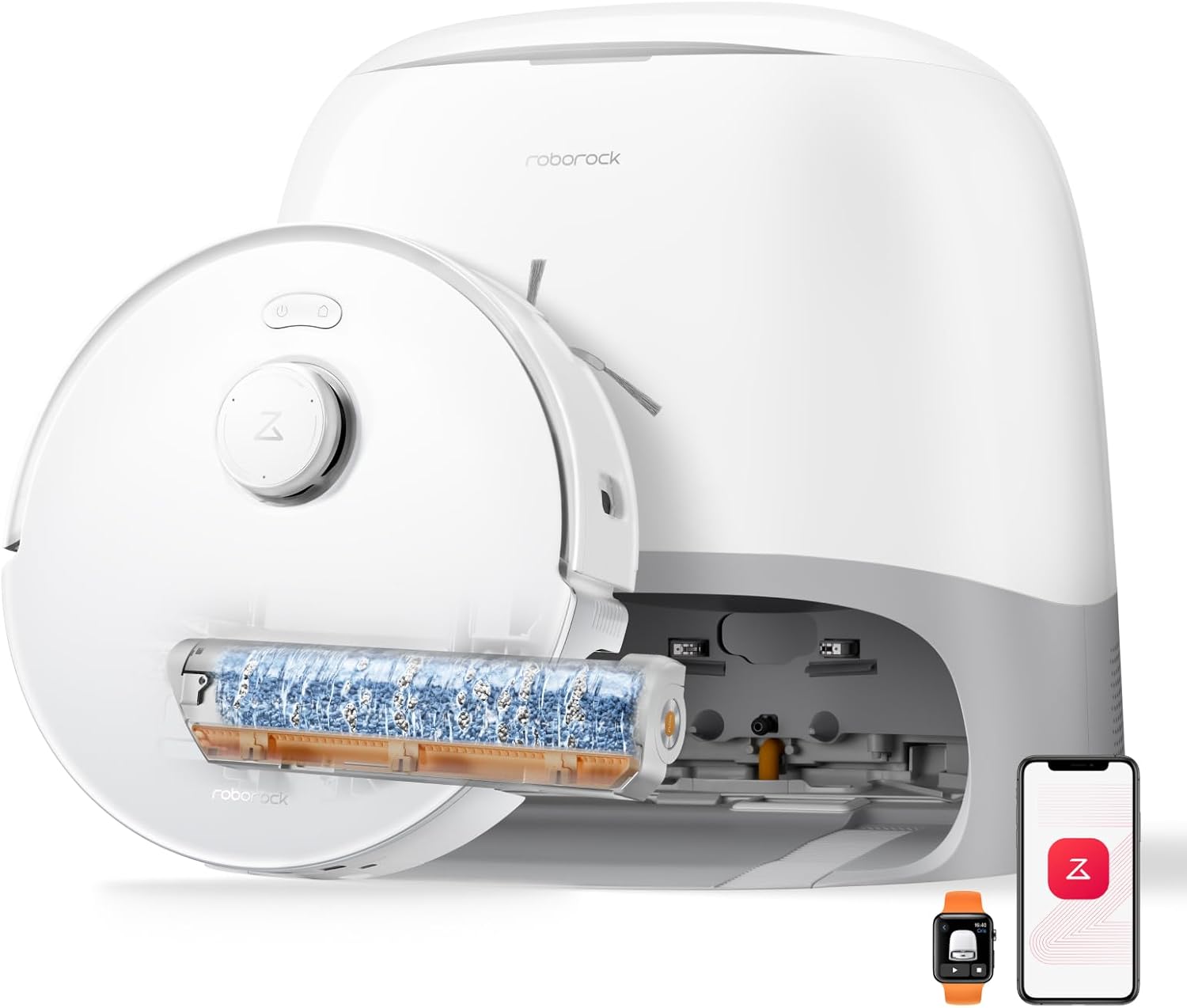
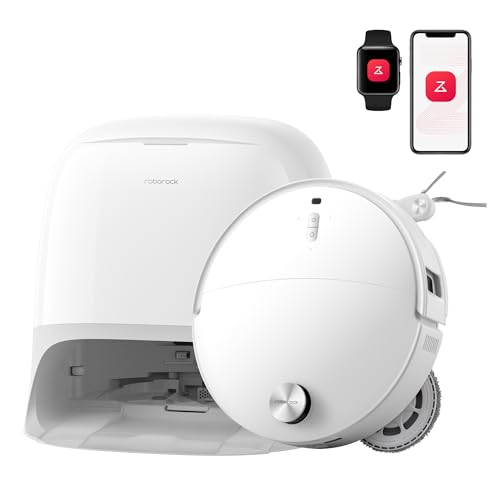
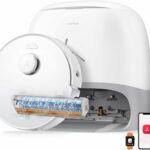
Here's where these robots diverge most dramatically. The Roborock Qrevo Curv 2 Flow introduces a 270mm roller mop system—a first for Roborock's premium range. This continuous roller maintains constant contact with floors, rotating as the robot moves to scrub rather than simply wipe. The Qrevo Curv 2 Pro continues with dual rotating mops that spin independently, a proven system that's served Roborock well across multiple generations.
Both models extend their mopping systems to reach closer to edges and both detect dirt on mops and floors to trigger additional cleaning passes. The Flow achieves 15mm mop elevation plus a curved body design that helps it navigate obstacles, whilst the Pro offers variable lift between 7-17mm. In homes with thick rugs or raised thresholds, the Flow's consistent 15mm clearance provides predictable performance.
A significant practical difference emerges at the base. The Pro automatically removes its mops when you want vacuum-only cleaning, eliminating the need to manually detach them. The Flow requires manual mop removal for pure vacuuming sessions. For users who frequently alternate between mopping and dry vacuuming, this automation saves time and hassle.
Both bases wash mops with hot water and dry them using heated air, ensuring proper hygiene between cleaning sessions. The Flow benefits from an upgraded 3.0 self-cleaning bandeja system compared to the Pro's standard version, suggesting improved maintenance of the base's internal washing mechanism.
Navigation system
Navigation hardware differs subtly but meaningfully. The Flow uses a traditional 3.0 LiDAR turret that protrudes from the top of the robot, whilst the Pro features a retractable LiDAR system that lowers when not needed. This retractable design contributes directly to the Pro's remarkably low 79.8mm height—a crucial advantage for reaching under furniture.
The Pro incorporates dual AI cameras for obstacle recognition, whereas the Flow has a single camera. Both systems identify 200 different obstacle types and recognise pets, with remote camera access available through the Roborock app. LED illumination enables night vision on both models, allowing them to navigate and identify objects in darkness. Front-facing 3D laser sensors complement the camera systems, providing redundant obstacle detection that works even in challenging lighting conditions.
Both robots run SmartPlan 3.0 AI, which learns your home's layout and adjusts cleaning strategies based on room type, traffic patterns, and historical dirt levels. This intelligence means the robots automatically spend more time in high-traffic areas and adjust suction or mopping intensity according to floor type.
Battery and autonomy
The Roborock Qrevo Curv 2 Pro packs a 6,400 mAh battery delivering 290 minutes of runtime, whilst the Flow contains 5,200 mAh good for 242 minutes. Translated into real-world use, the Pro handles larger properties in a single session. For homes exceeding 150 square metres or layouts with multiple levels, the Pro's extended autonomy reduces the likelihood of mid-clean recharging interruptions.
That said, 242 minutes remains sufficient for most residential properties. Both robots automatically return to base when battery runs low, recharge, then resume cleaning where they left off. The difference becomes noticeable primarily in very large homes or when running intensive cleaning modes that consume power more rapidly.
Smart features
Obstacle climbing capability differs between these models. The Flow manages 20mm obstacles, whilst the Pro tackles simple steps and raised thresholds more aggressively thanks to its adaptive climbing system. This matters when transitioning between rooms with different flooring heights or navigating over door thresholds and rug edges.
Both robots include Roborock's proprietary voice assistant alongside compatibility with Alexa and Google Home. This allows hands-free control through multiple ecosystems, letting you start cleaning, send the robot to specific rooms, or check status using voice commands through your preferred platform.
Multifunctional cleaning base
The bases share most core functions—automatic dust emptying, hot water mop washing, and heated air drying. Both hold 4 litres of clean water, though the Flow's dirty water tank is slightly larger at 3.5 litres versus 3 litres. The Flow also has a marginally bigger dust bag at 2.7 litres compared to 2.5 litres, though in practical terms both require similar replacement frequencies.
The Flow's upgraded 3.0 self-cleaning system for the washing tray represents an incremental improvement in base maintenance. Neither model includes UV disinfection, detergent dispensers, or plumbing connection options—features sometimes found on ultra-premium competitors but absent here.
Base dimensions are identical at 450mm across all measurements, so both require the same floor space in your home.
Dimensions
Height differences prove dramatic and functionally significant. The Roborock Qrevo Curv 2 Pro measures just 79.8mm tall, making it one of the slimmest premium robots available. The Flow stands at 119mm—nearly 40mm taller—due to its protruding LiDAR turret and roller mop mechanism. For homes with low-clearance furniture, sofas on short legs, or European-style platform beds, the Pro navigates spaces the Flow simply cannot reach.
Diameter is virtually identical at 352-353mm, so both need similar clearance for turning and manoeuvrability. The height difference becomes the critical factor when assessing whether these robots will clean under your specific furniture.
Real-world usage experience
For larger properties exceeding 200 square metres, the Pro's superior battery and suction provide tangible benefits. The extended runtime means comprehensive cleaning without recharge interruptions, whilst the higher suction tackles embedded dirt in carpets more aggressively. Homes with substantial hard flooring and multiple pets will appreciate the Pro's automatic mop removal—it transitions seamlessly from mopping to vacuuming without manual intervention.
The Flow suits households prioritising thorough mopping. Its roller system maintains continuous floor contact, potentially delivering more consistent scrubbing action than rotating pads. The elevated side brush prevents dirty water spreading during mopping, keeping the cleaning process more hygienic. However, taller furniture clearance requirements and manual mop removal add minor inconveniences.
Both robots handle pet hair effectively thanks to anti-tangle brushes, though the Pro's extra suction power provides additional margin when dealing with heavy shedding. The advanced AI navigation makes both suitable for complex layouts with multiple rooms, stairs to avoid, and varied obstacles.
Conclusion: which should you choose?
Choose the Roborock Qrevo Curv 2 Flow if: you want Roborock's innovative roller mopping system and prioritise scrubbing performance over convenience features. The elevated side brush appeals if you're particular about mopping hygiene. This model works well for smaller to medium-sized homes where furniture clearance isn't restrictive and battery life meets your needs comfortably.
Choose the Roborock Qrevo Curv 2 Pro if: you need a robot that fits under low furniture—its 79.8mm height opens up cleaning areas other robots miss. The automatic mop removal, stronger suction, and longer battery life make it better suited to larger homes, especially those mixing carpets and hard floors. If you value convenience and comprehensive automation, the Pro delivers a more hands-off experience. For homes with multiple pets or thick carpeting, the extra suction power justifies the investment.