Introduction
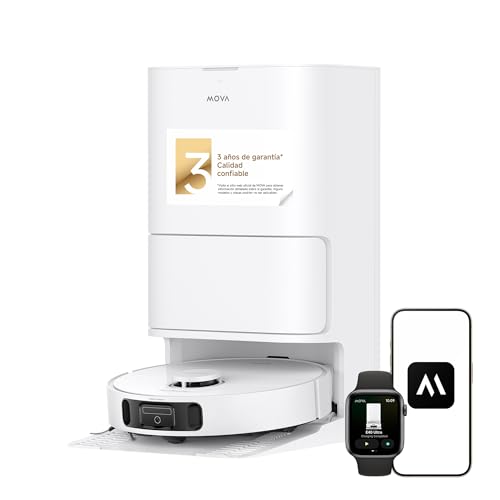
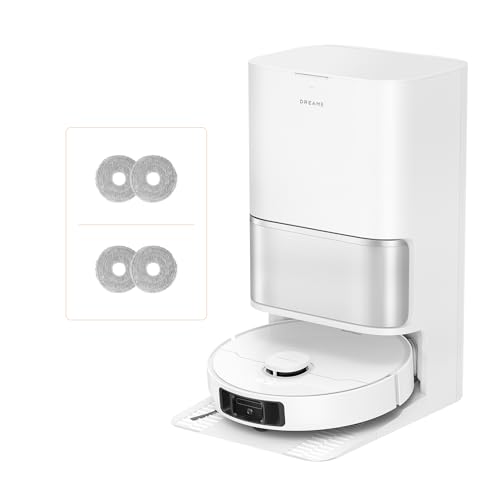
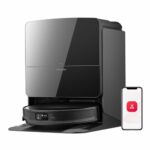
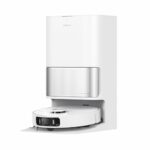
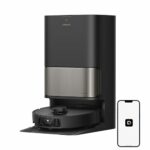
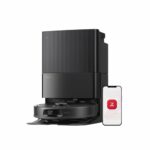
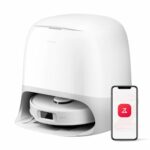
The Mova E40 Ultra and the Dreame L10s Ultra Gen 3 represent two of the most recent releases in the premium robot vacuum segment, both launched in 2025. These models share a surprising amount of DNA, which isn't entirely coincidental given that Mova operates as Dreame's second brand. Both units feature multifunctional cleaning stations with mop washing and hot air drying, rotating dual mops with edge extension capabilities, and identical battery capacity at 5,200 mAh.
Despite their similarities, there are key differences worth examining. The Dreame model pushes suction power significantly higher whilst incorporating an extendable side brush for enhanced corner cleaning. The Mova counters with an anti-tangle side brush design and comes in at a slightly lower price point. For households seeking a comprehensive cleaning solution without manual intervention, both options deliver automated dust emptying, mop maintenance, and intelligent navigation through LiDAR mapping.
Key Differences at a Glance
- The Dreame L10s Ultra Gen 3 delivers 25,000 Pa suction versus 19,000 Pa on the Mova E40 Ultra
- The Dreame includes an extendable side brush for improved corner coverage
- The Mova features anti-tangle technology on its side brush
- The Dreame offers 231 minutes of runtime compared to 210 minutes on the Mova
- The Dreame station includes integrated third-generation self-cleaning for the washing tray
- The Mova requires an optional detergent tank purchased separately, whilst the Dreame includes it as standard
- The Dreame offers an optional water pipe connection kit (sold separately)
Power and Suction
Suction performance shows the most substantial gap between these two models. The Dreame L10s Ultra Gen 3 generates 25,000 Pa of suction power, giving it a notable advantage over the Mova E40 Ultra's 19,000 Pa. In practical terms, this translates to better performance on carpets and rugs, more effective pickup of fine dust particles, and improved ability to extract embedded debris from textile surfaces.
Both models use a simple main brush design without anti-tangle features or elevation capability during mopping. This means neither offers the HyperStream dual-roller system found in some premium Dreame models, sticking instead with a traditional single-brush configuration.
The side brush setup reveals an interesting trade-off. The Dreame L10s Ultra Gen 3 incorporates an extendable side brush that swings outward to reach deeper into corners and along wall edges. This mechanical extension helps the robot capture debris that typically accumulates in these hard-to-reach areas. The Mova E40 Ultra takes a different approach with an anti-tangle side brush design, which proves beneficial in homes with long hair or pet fur. Neither model offers side brush elevation during mopping operations.
Mopping
The mopping systems are nearly identical across both robots. Each uses dual rotating mops that extend outward to clean closer to wall edges and into corners. Both incorporate the same 10.5 mm mop lift height, sufficient to clear low-pile rugs and transition onto carpets without leaving wet tracks.
The mop extension works in conjunction with a movement system that allows the robot to angle slightly, pushing the mop pad further under furniture overhangs and cabinet bases. Floor cleaning relies on cold water in both cases, with no heated water delivery to the cleaning pads during operation.
Neither model offers automatic mop removal at the base station when switching to vacuum-only mode, nor do they include dirt detection sensors that would trigger additional passes over particularly soiled areas. Both stations wash the mops with cold water and dry them using hot air, which helps prevent bacterial growth and eliminates musty odours between cleaning sessions.
Navigation System
Navigation capabilities are matched across both models. Each relies on a 360-degree LiDAR turret for spatial mapping and route planning, supplemented by front-mounted 3D laser sensors for obstacle detection. This dual-sensor approach allows the robots to build accurate floor plans whilst identifying and avoiding objects in real-time.
Both models recognise pets during cleaning runs, adjusting their behaviour to avoid startling animals or getting tangled in pet accessories. Neither includes a front-facing camera for visual object recognition or remote monitoring, instead relying purely on laser-based detection systems. There's no LED illumination for low-light navigation, and neither offers access to a live camera feed through the mobile app.
The CleanGenius AI system appears on both robots, providing intelligent cleaning pattern adjustments based on room type and detected floor conditions. This feature optimises suction levels and mopping intensity automatically without requiring manual intervention.
Battery and Autonomy
Battery capacity sits at 5,200 mAh for both models, providing a solid foundation for extended cleaning sessions. The Dreame L10s Ultra Gen 3 edges ahead with 231 minutes of runtime versus 210 minutes for the Mova E40 Ultra. This 21-minute difference stems from efficiency optimisations in power management rather than battery size.
In practical terms, both robots handle large homes comfortably. The additional runtime on the Dreame model means slightly less frequent returns to the charging station during whole-home cleaning cycles, particularly beneficial in properties exceeding 200 square metres.
Smart Features
Both robots demonstrate identical obstacle-climbing capability at 20 mm, allowing them to mount door thresholds, thick carpet edges, and minor floor transitions without assistance. Neither incorporates a robotic arm for advanced object manipulation, nor do they feature proprietary voice assistants. Integration with external voice platforms like Alexa and Google Home is supported on both models.
Multifunctional Cleaning Station
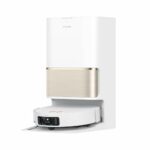
The cleaning stations share most specifications but diverge in several practical areas. Both automatically empty the robot's 300 ml dust bin into a 3.2-litre dust bag, wash the mops with cold water from a 4.5-litre clean water tank, and collect dirty water in a 4-litre waste reservoir. Hot air drying prevents mop deterioration and odour development.
The Dreame L10s Ultra Gen 3 distinguishes itself with third-generation automatic cleaning of the washing tray itself. This self-maintenance feature reduces manual intervention and prevents residue buildup that can affect mop cleaning effectiveness over time. The Mova station lacks this automatic tray cleaning.
Detergent handling differs notably. The Dreame includes an integrated detergent dispenser as standard, automatically adding cleaning solution during mop washing cycles. The Mova E40 Ultra requires purchasing an optional detergent tank separately, adding to the initial investment if you want this functionality.
The Dreame also offers an optional water pipe connection kit, sold separately, which allows permanent plumbing integration for continuous water supply and drainage. This eliminates manual tank refilling and emptying, though it requires professional installation. The Mova doesn't offer this accessory option.
Dimensions
Robot dimensions are identical at 350 mm diameter and 97 mm height. This compact profile allows both models to navigate under most furniture, including beds, sofas, and low cabinets. The sub-10 cm height proves particularly useful for European furniture standards.
Base station measurements are virtually indistinguishable, with both measuring 340 mm wide. The Dreame station stands 590 mm tall versus 590.5 mm for the Mova, whilst depth measures 457 mm and 456.7 mm respectively. These fractional differences are negligible in real-world placement scenarios.
Real-World Usage Experience
For larger homes, the Dreame L10s Ultra Gen 3 offers practical advantages through its extended battery life and superior suction power. Properties with multiple floor types, particularly those mixing hard floors with carpeted areas, benefit from the higher 25,000 Pa suction when deep-cleaning textile surfaces.
Households with pets face an interesting choice. The Mova's anti-tangle side brush reduces hair wrap-up on that component, whilst the Dreame's higher suction power more effectively lifts embedded pet hair from carpets. Neither offers anti-tangle technology on the main brush, so regular maintenance remains necessary.
The Dreame's extendable side brush delivers better corner and edge cleaning, particularly noticeable in rooms with complex layouts or numerous furniture legs. The Mova's lower suction power remains perfectly adequate for hard floors and light carpet cleaning, making it suitable for flats and smaller homes without heavy-duty cleaning demands.
Station maintenance proves easier on the Dreame thanks to automatic tray cleaning and the included detergent dispenser. The Mova requires more hands-on involvement, with manual tray cleaning and the need to purchase the detergent accessory separately if desired.
Conclusion: Which Should You Choose?
Choose the Mova E40 Ultra if: you prioritise value and don't require maximum suction power. This model suits flats and smaller homes with predominantly hard flooring, where the 19,000 Pa suction proves entirely sufficient. The anti-tangle side brush benefits homes with long-haired residents or shedding pets, reducing maintenance frequency on that component. If you're comfortable with occasional manual station cleaning and don't need the detergent dispenser immediately, the Mova delivers excellent automated cleaning at a more accessible price point.
Choose the Dreame L10s Ultra Gen 3 if: you want the most capable cleaning performance available between these two models. The 25,000 Pa suction makes a tangible difference on carpets and rugs, whilst the extendable side brush ensures thorough corner coverage throughout your home. Larger properties benefit from the extended battery runtime, and the automatic tray cleaning reduces maintenance demands. The included detergent dispenser and option for water pipe connection (via separate kit) provide a more hands-off experience. For homes with mixed flooring types, pets, and areas exceeding 150 square metres, the Dreame justifies its premium through enhanced capability and convenience.