Introduction
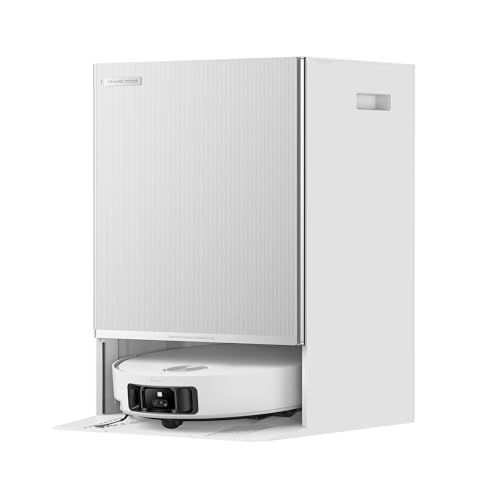
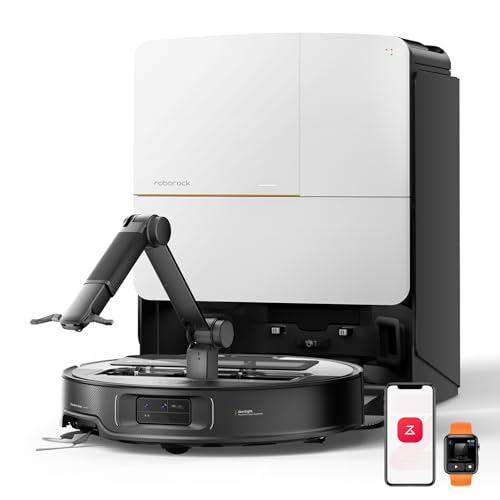
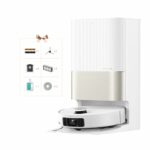
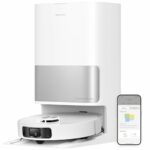
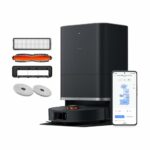
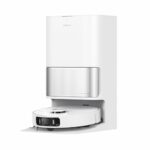
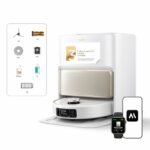
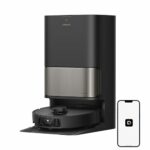
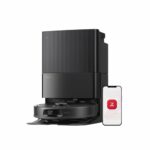
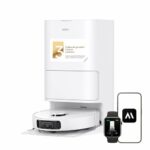
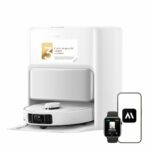
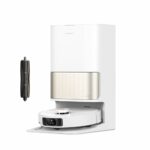
The Dreame Matrix10 Ultra and Roborock Saros Z70 represent two of the most advanced cleaning solutions launched in 2025. Both manufacturers have equipped these models with multifunctional bases that handle the complete cleaning cycle: vacuuming, mopping, washing the pads, and drying them with heated air. These aren't entry-level devices—they're designed for users who want minimal manual intervention and maximum cleaning performance.
What sets them apart becomes clear when you examine their approach to automation. Dreame has focused on raw power and automatic mop replacement, whilst Roborock has integrated a robotic arm that can handle objects during cleaning. For households seeking a comprehensive robot aspirador capable of handling both daily maintenance and deeper cleaning sessions, understanding these differences matters.
Key Differences at a Glance
- Suction power: 30,000 Pa versus 22,000 Pa
- The Roborock Saros Z70 includes an OmniGrip robotic arm; the Dreame Matrix10 Ultra does not
- Automatic mop changing: three pairs of mops on the Dreame, none on the Roborock
- Mop lift height: 10.5 mm compared to 12-22 mm
- Water heating for floor mopping: 55°C versus ambient warm water
- Base tray self-cleaning generation: 3.5 versus 2.0
- Object recognition: 240 items versus 108
- Robot height: 89 mm versus 79.8 mm
- Dust bag capacity: 3.2 litres versus 2.5 litres
Power and Vacuuming Performance
The Dreame Matrix10 Ultra delivers 30,000 Pa of suction, which gives it a notable advantage when tackling embedded dirt in carpets or stubborn debris along skirting boards. The Roborock Saros Z70 offers 22,000 Pa—still substantial, but the difference becomes apparent in homes with thick rugs or pets that shed heavily.
Both models feature dual rotating brushes designed to prevent hair tangles. The Dreame employs its HyperStream system with two brushes anchored at one end, whilst the Roborock uses an anti-tangle design that channels hair towards the central suction point. In practice, either system should handle long hair and pet fur without constant maintenance.
Each robot aspirador Dreame and robot aspirador Roborock can lift its main brush during mopping and also raises the side brush to avoid dragging debris across wet floors. The side brushes extend outwards to reach into corners, which helps when cleaning along walls and around furniture legs.
Mopping System
Both use dual rotating mop pads that spin to scrub floors rather than simply dragging a damp cloth behind them. The Dreame Matrix10 Ultra heats water to 55°C for mopping, which can help dissolve grease and sticky residues more effectively. The Roborock Saros Z70 uses warm water, though the exact temperature isn't specified—it's less aggressive but still warmer than cold tap water.
Mop extension differs slightly. The Dreame incorporates Roboswing, a system where the robot shifts its body to push the mop slightly under furniture edges and overhangs. The Roborock extends its mop outwards but doesn't use the same body movement. For homes with kitchen cabinets or low furniture, this can mean better edge coverage with the Dreame.
Lift height matters when transitioning between hard floors and carpets. The Roborock Saros Z70 raises its mops between 12 and 22 mm, adapting to different carpet pile heights. The Dreame Matrix10 Ultra lifts 10.5 mm, which handles most low-pile rugs but might struggle with thicker carpets. If you have substantial rugs throughout the house, the Roborock's greater lift range provides more flexibility.
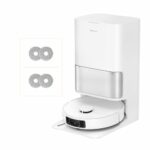
A standout feature of the Dreame is its automatic mop changing system. The base stores three pairs of mops and swaps them during cleaning sessions, so the robot never mops with saturated or dirty pads. The Roborock doesn't offer this—it washes and reuses the same pair of mops throughout the job. For larger homes or particularly dirty floors, having fresh mops mid-clean makes a tangible difference.
Both bases wash mops with hot water and dry them using heated air to prevent odours and bacterial growth. The Dreame's base features 3.5-generation tray self-cleaning, whilst the Roborock uses 2.0 technology. Essentially, the Dreame's base cleans itself more thoroughly after each mop wash cycle.
Navigation System
The Dreame Matrix10 Ultra uses a retractable LiDAR system paired with dual RGB cameras for navigation and obstacle detection. It can recognise 240 different objects, including pets, shoes, cables, and curtains. The Roborock Saros Z70 employs its StarSight 2.0 system with dual cameras and 3D laser sensors, recognising 108 objects. Whilst the Dreame identifies more items, the Roborock's system still handles typical household obstacles competently.
Curtain detection appears only on the Dreame Matrix10 Ultra. This prevents the robot from becoming tangled in long drapes or curtain edges that reach the floor—a common frustration with older models.
Both include LED lighting for night-time navigation and offer remote camera access through their respective apps. You can check in on your home whilst the robot cleans or use it as a basic security feature. Pet owners often appreciate being able to see their animals through the robot's camera when away from home.
Processing power differs: the Dreame runs AI Sage 15.0 with an octa-core CPU, whilst the Roborock uses RR Mason 12.0. The Dreame's CleanGenius AI and the Roborock's SmartPlan 2.0 both analyse room layouts and adjust cleaning strategies, though the Dreame's higher processing capacity may handle complex floor plans more quickly.
Battery and Autonomy
Both robots pack 6,400 mAh batteries. The Dreame Matrix10 Ultra provides 260 minutes of runtime, which should cover approximately 250-300 square metres depending on floor type and cleaning mode. The Roborock Saros Z70 doesn't specify runtime, though similar battery capacity suggests comparable performance.
For typical homes under 150 square metres, either model will complete a full clean without needing to recharge mid-session. Larger properties benefit from the Dreame's confirmed extended runtime.
Smart Features
Both can climb obstacles up to 20 mm, managing door thresholds and low transitions between rooms without assistance. This is standard for premium models in 2025.
The defining difference here is the Roborock Saros Z70's OmniGrip robotic arm. This extends from the robot's body to move lightweight objects—slippers, small toys, charging cables—out of the cleaning path. The Dreame Matrix10 Ultra doesn't include this feature. Whether this matters depends on how cluttered your floors typically are. If you're diligent about tidying before the robot runs, you won't miss it. If you prefer the robot to handle minor obstacles independently, the Roborock's arm adds genuine convenience.
Both robots include their own voice assistants and integrate with Alexa and Google Home for voice control.
Multifunctional Base
The Dreame's base holds a 3.2-litre dust bag compared to 2.5 litres in the Roborock. For a household with multiple pets or high dust accumulation, the Dreame requires less frequent bag changes—perhaps every two months rather than six weeks.
Water tank capacities favour the Dreame as well: 5.5 litres of clean water versus 4 litres, and 4 litres of dirty water versus 3 litres. This means fewer refills during large mopping jobs or when cleaning multiple floors in one session.
The Dreame Matrix10 Ultra offers triple detergent tanks, allowing you to use different cleaning solutions for various floor types or cleaning intensities. The Roborock Saros Z70 includes a single detergent dispenser. If you regularly switch between products for wood floors, tiles, and general cleaning, the Dreame's setup provides more flexibility.
A plumbing connection kit is available separately for the Dreame, enabling direct water supply and drainage. The Roborock doesn't offer this option. Whilst it's an additional purchase and requires installation, it eliminates manual tank maintenance entirely for those willing to invest in the upgrade.
Dimensions
The Roborock Saros Z70 stands 79.8 mm tall, making it one of the slimmest premium robot aspirador models available. The Dreame Matrix10 Ultra measures 89 mm. That 9.2 mm difference determines whether these robots fit beneath certain sofas, beds, or kitchen cabinets. If you have furniture with clearances around 80-85 mm, the Roborock will access spaces the Dreame cannot.
Diameter is nearly identical—350 mm versus 353 mm—so both navigate through doorways and around furniture legs with equal ease.
Base dimensions reveal different design priorities. The Dreame's base is wider (416 mm versus 381 mm) and taller (590 mm versus 488 mm), but slightly shallower (457 mm versus 475 mm). The Roborock's lower profile might suit spaces with overhead shelving or cabinets, whilst the Dreame's larger footprint accommodates its bigger tanks and mop storage system.
Real-World Use
For homes exceeding 150 square metres with mixed flooring, the Dreame Matrix10 Ultra's higher suction and automatic mop changing system deliver more consistent results across extended cleaning sessions. The larger water tanks mean less intervention, and the triple detergent setup suits households that maintain different floor types.
Pet owners with shedding animals benefit from the Dreame's 30,000 Pa suction, especially on carpets and rugs. The HyperStream brush handles fur effectively, and the larger dust bag reduces how often you need to replace it.
The Roborock Saros Z70 excels in homes where floor clutter is common. The robotic arm removes small obstacles autonomously, and the lower profile means it cleans under more furniture. If you have children who leave toys scattered or a habit of leaving items on the floor, the arm reduces the need for pre-cleaning tidying.
For apartments or smaller homes under 100 square metres, the Roborock's compact base and slimmer robot body make better use of limited space. The 2.5-litre dust bag still provides weeks of maintenance-free operation in smaller environments.
Both handle hard floors, tiles, and low-pile carpets competently. The Roborock's greater mop lift height gives it an edge in homes with thicker rugs, whilst the Dreame's hotter mopping water suits kitchens and bathrooms where grease and soap residue accumulate.
Conclusion: Which Should You Choose?
Choose the Dreame Matrix10 Ultra if: you have a large home exceeding 150 square metres, pets that shed heavily, or multiple floor types requiring different cleaning solutions. The automatic mop changing system and larger tanks suit users who want extended autonomous operation without manual intervention. The 55°C hot water mopping handles stubborn grime effectively, and the higher suction power tackles embedded dirt in carpets. This is the better robot aspirador for those prioritising cleaning performance and capacity over space-saving design.
Choose the Roborock Saros Z70 if: you need a robot that fits under low furniture or have limited space for the base. The robotic arm suits households where floor clutter is common, and the slimmer profile accesses areas other robots cannot. If you value cutting-edge automation features and don't require the absolute highest suction power, the Roborock delivers excellent results with a more compact footprint. It's the smarter choice for modern apartments and homes where furniture clearance is tight.
In this comparativa de robots aspiradores, there's no outright winner—your choice depends on whether you prioritise raw cleaning power and capacity or intelligent obstacle handling and compact design. Both represent what the mejor robot aspirador 2025 category offers, just with different strengths.