Introduction
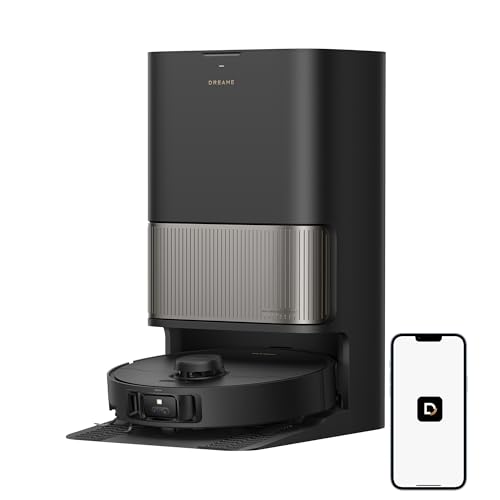
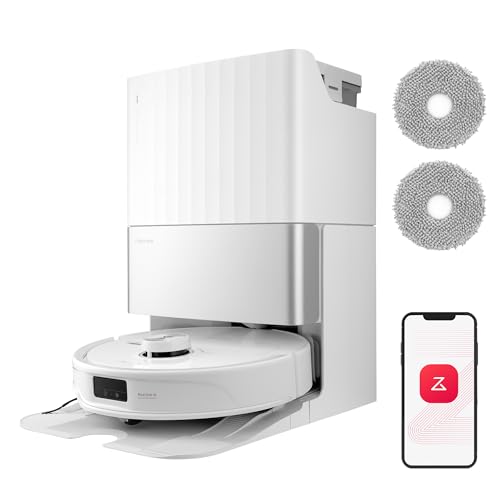
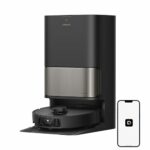
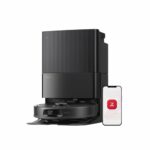
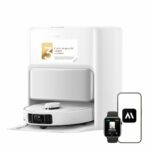
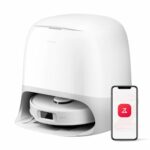
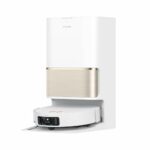
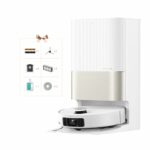
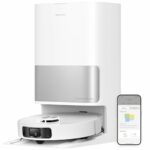
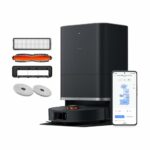
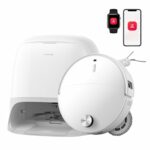
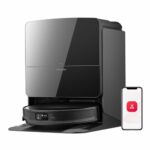
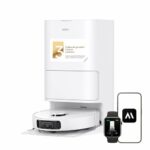
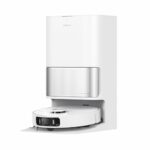
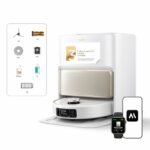
The Dreame L40s Pro Ultra and Roborock Qrevo Master represent two of the most capable robot vacuum cleaners available in 2025. Both machines feature multifunctional bases that handle everything from emptying the dust bin to washing and drying their mops, making them proper premium solutions for anyone wanting minimal intervention in their floor cleaning routine.
Dreame's offering is the newer model, launching in 2025 with some impressive technical upgrades. The Roborock Qrevo Master arrived in 2024 and brings the reliability and polish you'd expect from the world's leading robot vacuum brand. Both are designed for larger homes with mixed flooring, particularly those where mopping matters as much as vacuuming.
Key Differences at a Glance
- The Dreame delivers 19,000 Pa suction compared to 10,000 Pa on the Roborock
- Dreame's side brush lifts during mopping; Roborock's doesn't
- Dreame can remove its mops automatically at the base; Roborock cannot
- Dreame includes a detergent dispenser in the base
- Roborock recognises 62 objects; Dreame identifies 180
- Dreame offers an optional water pipe connection kit
- Larger dust bag and water tanks on the Dreame
- Dreame's base features third-generation self-cleaning technology
Power and Suction
The difference in suction power is substantial. Dreame's L40s Pro Ultra offers 19,000 Pa, nearly double the Roborock Qrevo Master's 10,000 Pa. In practice, this means the Dreame should handle embedded dirt in carpets and rugs with considerably more force, which matters especially if you have pets or high-traffic areas.
Both models use dual roller brush systems designed to prevent hair tangles. The Dreame employs its HyperStream design whilst Roborock uses its DuoDivide system. Each lifts the main brush when mopping to avoid dragging a wet roller across your floors.
Where things diverge is with the side brush. The Dreame's side brush not only extends to reach into corners but also lifts during mopping and features anti-tangle technology. The Roborock's side brush extends but stays down during mopping and lacks the anti-tangle design. For homes with pets or long hair, that extra consideration on the Dreame could reduce maintenance frequency.
Mopping
Both robots use dual rotating mops that extend to clean edges more effectively. The Dreame adds a swing motion called RoboSwing, which helps the mop reach slightly under furniture edges and skirting boards. Mop lift is nearly identical: 10.5 mm on the Dreame versus 10 mm on the Roborock, both sufficient to keep carpets dry.
A significant practical difference emerges with mop removal. The Dreame can automatically detach its mops at the base when you want vacuum-only cleaning. The Roborock requires manual removal. If you frequently switch between mopping and vacuuming modes, this automation saves hassle.
Both detect dirt on their mops and on the floor, adjusting their cleaning accordingly. The base stations wash mops with hot water and dry them with heated air, which helps prevent odours and bacterial growth. Neither offers hot water for floor mopping itself, just for cleaning the mops in the base.
Navigation System
Navigation hardware looks similar on paper: both use LiDAR turrets, dual AI cameras, and 3D laser sensors for obstacle avoidance. Both recognise pets, offer remote camera access, and include LED lighting for navigation in darkness.
The Dreame pulls ahead with object recognition, identifying 180 different obstacles compared to the Roborock's 62. This broader database should mean fewer stuck situations and better route planning around clutter. The Dreame also detects curtains specifically, which helps avoid tangling. Its CleanGenius AI system analyses rooms and adjusts cleaning strategies, whilst Roborock's SmartPlan 1.0 handles similar tasks. Dreame adds AI-powered spot recognition for targeted cleaning of visible marks.
Battery and Autonomy
Both robots pack identical 5,200 mAh batteries, but runtime differs. The Dreame manages 220 minutes on a charge; the Roborock runs for 180 minutes. That extra 40 minutes could matter in larger properties, though both should comfortably handle most homes in a single session. The higher suction on the Dreame likely explains why its battery doesn't last even longer given the same capacity.
Smart Features
Obstacle climbing capability differs: the Dreame handles simple thresholds and can manage stepped transitions, whilst Roborock specifies 20 mm clearance. Both include voice assistants and work with external systems like Alexa and Google Home.
Multifunctional Base Station
Both bases auto-empty dust, wash mops with hot water, and dry them with heated air. The Dreame's base uses third-generation self-cleaning technology for its washing tray, which should mean less manual scrubbing compared to Roborock's first-generation system.
The Dreame includes a detergent dispenser as standard; the Roborock doesn't. If you prefer using cleaning solution rather than plain water, that's a built-in advantage. The Dreame also offers an optional pipe connection kit you can purchase separately for continuous water supply, though this isn't included in the base package.
Storage capacity favours the Dreame across the board: a 3.2-litre dust bag versus 2.7 litres, 4.5 litres of clean water versus 4 litres, and 4 litres of dirty water versus 3.5 litres. These differences extend the time between emptying and refilling, which matters for larger homes or if you're away frequently.
Dimensions
The robots themselves are virtually identical in size. The Dreame measures 350 mm in diameter and stands 103.8 mm tall; the Roborock is 353 mm wide and 103 mm high. That sub-millimetre height difference won't affect which furniture they can squeeze under.
Base stations differ more noticeably. The Dreame's base is taller at 590.5 mm versus 521 mm, but slightly shallower at 456.7 mm depth compared to 487 mm. Both are 340 mm wide. Consider your storage space: the Dreame needs more vertical clearance whilst the Roborock requires more floor depth.
Real-World Use
For homes with pets, the Dreame's stronger suction, anti-tangle side brush, and larger dust capacity make it particularly well-suited to dealing with hair and dander. The automatic mop removal also means you can run vacuum-only sessions without manual intervention when you don't need mopping.
In larger properties, the Dreame's extended runtime and bigger water tanks reduce interruptions. The broader object recognition should mean smoother cleaning cycles with less intervention. Roborock's shorter base and proven reliability make it a solid choice for those who prioritise brand reputation and a slightly more compact base footprint.
The detergent dispenser on the Dreame matters if you prefer using cleaning solution regularly. Roborock owners would need to add detergent manually to the water tank. For mixed flooring with carpets and hard floors, both handle the transition well, though the Dreame's superior suction gives it an edge on deeper carpet cleaning.
Conclusion: Which to Choose?
Choose the Dreame L40s Pro Ultra if: you want the highest suction power available, have pets that shed heavily, prefer automated mop removal for vacuum-only cleaning, value the included detergent dispenser, need extended runtime for larger homes, or want the most advanced object recognition and AI features. The larger tanks and third-generation base cleaning also suit those wanting maximum time between manual maintenance.
Choose the Roborock Qrevo Master if: you prefer the established reliability of the market-leading brand, need a slightly shorter base station, want proven performance without needing the absolute highest specifications, or simply trust Roborock's reputation for software stability and long-term support. It's still an excellent premium robot that handles most homes brilliantly, just with slightly less raw power and automation than its newer competitor.