Introduction
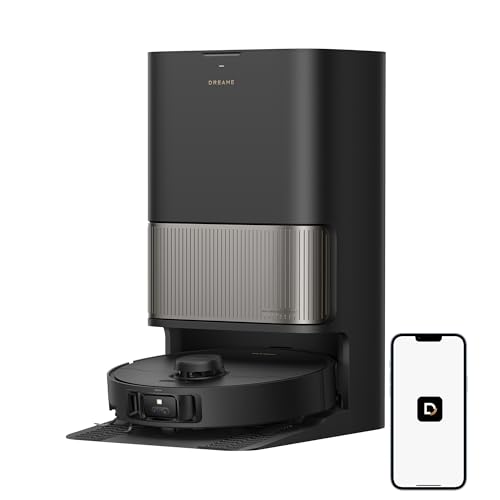
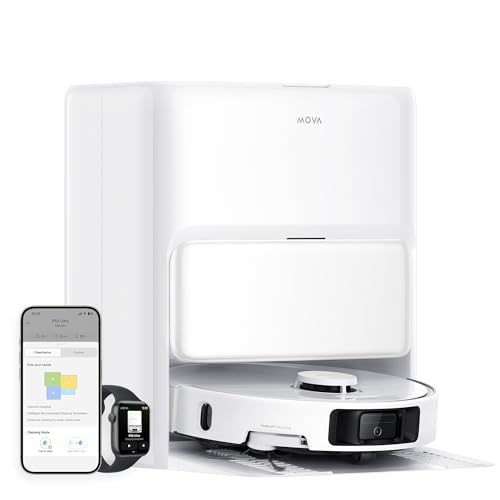
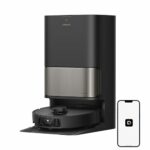
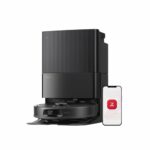
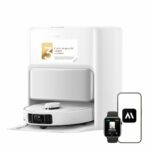
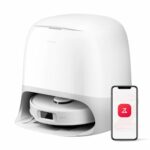
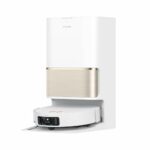
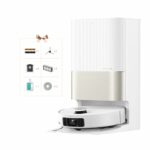
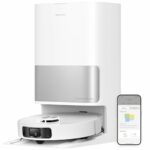
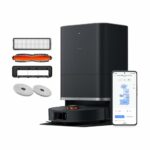
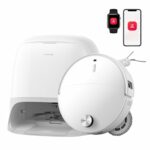
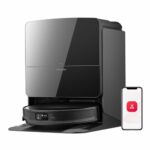
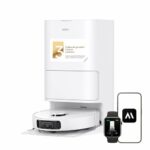
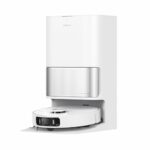
The Dreame L40s Pro Ultra and Mova P50 Ultra represent two of the most advanced cleaning solutions launched in 2025. Both models arrive with premium specifications and multifunctional bases designed to handle the entire cleaning process with minimal user intervention. What makes this comparison particularly interesting is that Mova operates as Dreame's second brand, meaning these robots share technological DNA whilst targeting slightly different market positions.
These aren't entry-level models. With 19,000 Pa suction power and sophisticated mopping systems, they're built for households that demand thorough cleaning across multiple floor types. The multifunctional bases handle mop washing with hot water and drying with heated air, which separates them from mid-range alternatives that leave you dealing with damp, smelly mops.
The real question isn't whether these robots clean well—they do—but which configuration suits your specific home environment and how much you value certain advanced features over others.
Key Differences at a Glance
- The Dreame L40s Pro Ultra features a dual brush system (HyperStream), whilst the Mova P50 Ultra uses a single brush configuration
- Only the Dreame model includes automatic mop removal at the base for vacuuming-only sessions
- The Dreame incorporates dual AI cameras; the Mova P50 Ultra has none
- Pet recognition, remote camera access, and night vision LED are exclusive to the Dreame
- Dirt detection on both mops and floors is available solely on the Dreame
- The Dreame recognises 180 different obstacles; the Mova's count isn't specified
- Dreame includes a built-in voice assistant; Mova relies on external assistants only
- The Mova P50 Ultra stands 97 mm tall versus 103.8 mm for the Dreame, potentially fitting under lower furniture
- Detergent dispensing comes standard on the Dreame but requires optional purchase for the Mova
- Water tank capacities differ: 4.5 L clean/4 L dirty for Dreame versus 4 L clean/3.5 L dirty for Mova
- Plumbing connection kit availability: Dreame offers it separately; Mova doesn't
Suction and Brushing Performance
Both robots deliver 19,000 Pa suction power and share identical 5,200 mAh batteries. That's serious extraction force for embedded dirt in carpets and debris along skirting boards. Where they diverge is the brushing approach.
The Dreame L40s Pro Ultra employs a dual HyperStream brush system. This design uses two brush sections anchored at one end, creating a configuration that actively prevents hair from wrapping around the roller. For homes with long-haired residents or shedding pets, this can dramatically reduce maintenance time. The Mova P50 Ultra uses a simpler single brush design with anti-tangle properties, which still minimises hair entanglement but through a more conventional approach.
Both models lift their main brushes during mopping and feature extendable side brushes that reach into corners more effectively than fixed designs. The side brushes also elevate when mopping to avoid dragging dry debris into wet areas. These aren't minor details—they prevent the common problem of robots spreading dirt whilst attempting to clean.
Mopping Systems
Each robot uses dual rotating mops that extend outward to reach edges, combined with a swinging motion (RoboSwing) that pushes the mop slightly under furniture overhangs and cabinet toe kicks. Mop elevation reaches 10.5 mm on both models, enough clearance for most low-pile rugs and transitional strips.
The bases wash mops with hot water and dry them using heated air, which genuinely matters for hygiene and odour prevention. Cold air drying leaves mops damp for hours, creating ideal conditions for bacterial growth.
Here's where functionality splits: the Dreame L40s Pro Ultra automatically removes its mops at the base when you schedule vacuuming-only sessions. The Mova P50 Ultra doesn't offer this, meaning you'll need to manually detach the mops if you want pure vacuuming without the mopping assembly dragging along.
The Dreame also incorporates dirt detection for both the mops themselves and the floor surface. When sensors identify particularly soiled areas, the robot increases cleaning intensity or makes additional passes. The Mova lacks this adaptive response, following predetermined cleaning patterns regardless of actual dirt levels.
Regarding detergent, the Dreame includes an integrated dispenser as standard. The Mova P50 Ultra requires purchasing this as an optional accessory, which feels like an odd omission given the premium positioning.
Navigation Intelligence
Both robots navigate using LiDAR turrets combined with frontal 3D laser sensors for obstacle detection. They map efficiently and avoid furniture with precision. The meaningful difference emerges with AI-powered visual recognition.
The Dreame L40s Pro Ultra integrates dual AI cameras that identify 180 different object types. This isn't marketing fluff—it means the robot distinguishes between chair legs, charging cables, pet bowls, shoes, and other household items, adjusting its approach accordingly. The cameras enable pet recognition, so the robot can avoid startling animals or disturbing feeding areas.
You can access the Dreame's cameras remotely through the app, essentially using the robot as a mobile home monitor. The LED lighting allows this functionality even in dark rooms.
The Mova P50 Ultra relies purely on LiDAR and 3D sensors without camera-based AI. It detects physical obstacles effectively and recognises curtains to avoid entanglement, but it can't visually identify what those obstacles actually are. For straightforward homes without pets or complex floor clutter, this works perfectly well. For households with animals, children's toys scattered about, or frequent floor-level obstacles, the visual intelligence gap becomes noticeable.
Battery and Coverage
Identical 5,200 mAh batteries power both models. Dreame specifies 220 minutes of runtime, which translates to substantial coverage before requiring a recharge. The Mova P50 Ultra doesn't list a specific runtime figure, though the identical battery capacity suggests comparable performance in practice.
For typical homes, either robot will complete full cleaning cycles without interruption. Larger properties might see the robot returning to base mid-session for a top-up before resuming, which both models handle automatically.
Smart Capabilities
The Dreame L40s Pro Ultra can traverse obstacles up to 22 mm high, though the specifications note this applies to simple step configurations. The Mova P50 Ultra matches the 22 mm threshold. This capability helps with transitional strips, thick rugs, and minor floor level changes, though neither robot climbs stairs.
Voice control works differently between them. The Dreame includes its own integrated voice assistant alongside compatibility with external systems like Alexa and Google Home. The Mova P50 Ultra supports only external assistants. Whether the Dreame's built-in assistant offers meaningful advantages depends largely on how deeply you've invested in a particular smart home ecosystem.
Multifunctional Base Stations
Both bases handle the complete maintenance cycle: emptying the robot's 300 ml dust bin into 3.2 L bags, washing mops with hot water, and drying them with heated air. The third-generation self-cleaning systems wash the base's own collection tray, reducing manual maintenance frequency.
Water tank sizing differs slightly. The Dreame holds 4.5 L of clean water and 4 L of dirty water. The Mova carries 4 L clean and 3.5 L dirty. For most cleaning sessions, this half-litre difference won't matter, but in larger homes requiring extended mopping, the Dreame's extra capacity means fewer refills.
Dreame offers an optional plumbing connection kit (sold separately) that eliminates manual water tank management entirely. The Mova doesn't provide this option at all. If permanent installation appeals to you, only the Dreame path remains open.
Neither base includes UV disinfection, which some competing models offer. Whether this matters depends on your perspective regarding UV's actual sanitisation effectiveness versus proper hot water washing.
Physical Dimensions
The robots measure identically at 350 mm diameter, but height differs meaningfully. The Mova P50 Ultra stands 97 mm tall compared to the Dreame's 103.8 mm. That 6.8 mm difference can determine whether the robot fits beneath certain furniture pieces. If you've got sofas, beds, or cabinets with tight clearances, measure carefully—the Mova's lower profile might access spaces the Dreame cannot.
Base station footprints vary considerably. The Dreame base measures 340 mm wide, 590.5 mm tall, and 456.7 mm deep. The Mova base spans 420 mm wide, 470 mm tall, and 458 mm deep. The Mova trades vertical height for additional width, creating a squatter profile that might suit certain spaces better whilst requiring more horizontal room.
Real-World Application
For households with pets, the Dreame L40s Pro Ultra's dual brush system and AI pet recognition provide tangible advantages. The camera-based intelligence prevents the robot from disturbing animals or getting tangled in pet toys, whilst the HyperStream brushes handle shed fur more efficiently.
Homes with varied floor clutter—children's toys, scattered shoes, charging cables—benefit from the Dreame's visual object recognition. The robot navigates around these obstacles more intelligently than purely sensor-based systems.
The Mova P50 Ultra suits cleaner, more predictable floor plans where advanced AI recognition offers diminishing returns. Its lower profile becomes the standout feature for homes with low-clearance furniture. The simpler feature set doesn't compromise core cleaning performance; it simply removes technological layers that some users won't utilise anyway.
Both robots handle hard floors, tiles, and parquet excellently. The hot water mop washing and heated drying deliver genuinely clean floors rather than just redistributing dirt with damp mops, which separates these models from cheaper alternatives.
Conclusion: Which Robot Suits You?
Choose the Dreame L40s Pro Ultra if: You live with pets that shed noticeably or if your floors regularly accumulate varied obstacles. The dual camera system and 180-object recognition justify the investment when your home environment is complex. Automatic mop removal matters if you frequently want vacuuming-only sessions without manual intervention. The integrated detergent dispenser and larger water tanks suit those who prefer maximum convenience and extended cleaning cycles. Remote camera access appeals if you value the secondary home monitoring capability.
Choose the Mova P50 Ultra if: Your home maintains relatively clear floors without pets or excessive clutter. The lower 97 mm height becomes crucial for accessing under low furniture that the Dreame cannot reach. You're comfortable with external voice assistants and don't need integrated camera features. The simpler feature set likely comes at a lower price point whilst maintaining identical suction power and core mopping performance. You prefer a wider, shorter base station footprint that fits your available space better.
Both represent capable cleaning systems that handle the tedious maintenance tasks automatically. The Dreame pushes further into AI territory with visual intelligence that adapts to complex environments. The Mova delivers the essential premium features—powerful suction, hot water mop maintenance, heated drying—without the technological elaboration. Your choice hinges on whether your specific home conditions warrant the Dreame's advanced recognition capabilities or whether the Mova's streamlined approach with superior under-furniture access serves you better.