Introduction
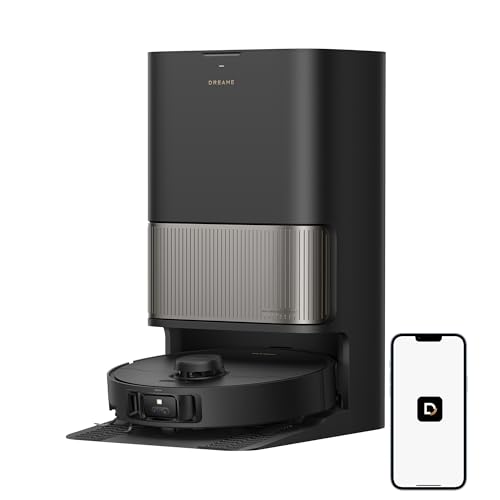
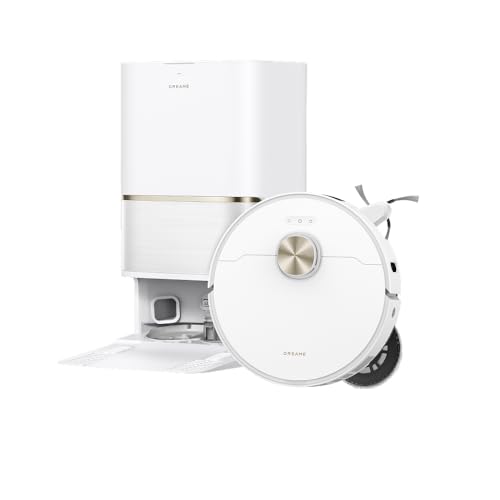
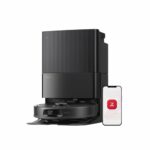
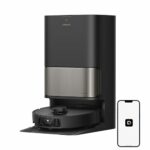
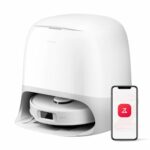
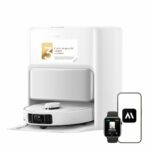
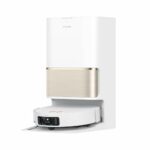
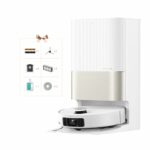
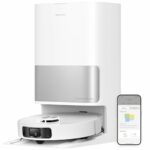
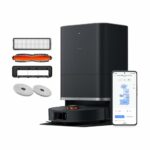
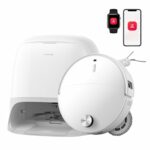
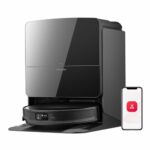
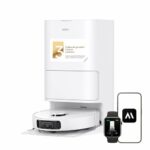
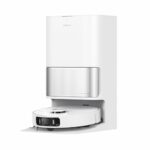
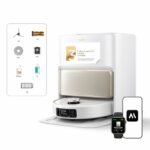
Dreame positions two compelling options in the premium robot vacuum segment with the L40s Pro Ultra and the L50 Ultra AE. The L40s Pro Ultra launched in 2025, whilst the L50 Ultra AE arrived in March 2026 as a more recent addition to the range. Both robots feature multifunctional bases with hot water mop washing and heated air drying, placing them firmly in the high-end category for households seeking comprehensive automated cleaning.
The L40s Pro Ultra emphasises artificial intelligence and camera-based recognition, making it particularly suited to homes with pets, varying floor types, and users who value remote monitoring capabilities. The L50 Ultra AE focuses on raw suction power and a slimmer profile, appealing to those prioritising performance on hard floors and access beneath low-clearance furniture. Understanding which features matter most for your specific home environment will determine the better choice between these two Dreame models.
Suction Power and Brushing Systems
The suction differential between these models is substantial. The Dreame L50 Ultra AE delivers 28,000 Pa, a significant jump from the 19,000 Pa offered by the L40s Pro Ultra. In practice, this translates to noticeably stronger performance on carpets and rugs, where the newer model can extract embedded dirt and pet hair more effectively. For homes with predominantly hard flooring, the difference becomes less critical, though the extra power never hurts when dealing with stubborn debris in tile grout or textured surfaces.
The brush configurations reveal different engineering philosophies. The L40s Pro Ultra employs a dual HyperStream brush system, designed with two brushes anchored at one end to minimise hair tangling. The L50 Ultra AE uses the TriCut 3.0 brush, which combines bristles with integrated blades that actively cut through tangled hair during operation. Both approaches reduce maintenance compared to traditional bristle brushes, though the TriCut system tends to require slightly less manual intervention when dealing with long human hair or pet fur.
Both robots raise their main brushes when mopping to prevent wet debris from contaminating the roller. They also feature extendable side brushes that reach into corners more effectively. However, the L40s Pro Ultra adds side brush elevation during mopping, lifting the side brush to avoid flicking water droplets onto walls or furniture. The L50 Ultra AE lacks this refinement, which may result in occasional splatter marks on baseboards during wet cleaning cycles.
Mopping Performance
Both models use rotating dual mops that extend to reach edges and corners more thoroughly. They lift their mops 10.5 mm when encountering carpets or returning to the base, sufficient clearance for most low-pile rugs. The RoboSwing feature appears on both robots, allowing them to shimmy the mop pads slightly under furniture edges and cabinet toe kicks for more comprehensive coverage.
The L40s Pro Ultra distinguishes itself with dirt detection capabilities on both mops and floors. When sensors identify particularly soiled areas, the robot automatically increases cleaning intensity or makes additional passes. This intelligent adaptation means heavily trafficked zones receive extra attention without manual intervention. The L50 Ultra AE follows pre-programmed patterns without this adaptive behaviour, which may necessitate spot-cleaning commands for stubborn marks.
Both bases wash mops with hot water and dry them using heated air, essential for preventing bacterial growth and musty odours. The third-generation auto-cleaning of the washing tray keeps the base hygienic with minimal user involvement. Each base accommodates 4.5 litres of clean water and 4 litres of dirty water, alongside detergent dispensers that automatically dose cleaning solution during mop washing cycles. For those seeking permanent installation, optional plumbing kits are available separately, though neither model includes this as standard.
Navigation and Intelligence
Both robots navigate using third-generation LiDAR turrets combined with frontal 3D laser sensors for obstacle detection. This dual-sensor approach enables accurate room mapping and reliable furniture avoidance. The meaningful divergence emerges in camera-based intelligence.
The L40s Pro Ultra incorporates dual AI cameras that recognise up to 180 different object types, including specific detection for pets and curtains. This allows the robot to modify its behaviour around delicate items or avoid startling animals. The LED illumination enables effective vision even in dim conditions, whilst remote camera access lets you check on pets or monitor your home through the robot's perspective via the app.
The L50 Ultra AE omits camera-based features entirely, relying solely on LiDAR and 3D laser sensors. Whilst this still provides competent navigation and basic obstacle avoidance, it cannot identify specific objects or adapt cleaning strategies based on visual recognition. For households without pets or those unconcerned about remote monitoring, this simplification reduces complexity without significantly impacting core cleaning performance.
The L40s Pro Ultra also features CleanGenius AI, which analyses room conditions and adjusts suction and water flow automatically. The L50 Ultra AE requires manual adjustment of these parameters through the app, giving users direct control but demanding more active management.
Battery and Coverage
Identical 5,200 mAh batteries power both robots. The L40s Pro Ultra specifies 220 minutes of runtime, though the L50 Ultra AE's autonomy data isn't available. In real-world use, battery life varies considerably based on suction level, mopping mode, and floor type. The higher suction of the L50 Ultra AE will likely reduce runtime when operating at maximum power, though both robots automatically return to base for recharging and resume cleaning where they left off.
Smart Features
The L40s Pro Ultra can traverse simple obstacles and climb up to 20 mm, matching the L50 Ultra AE's step-climbing capability. Both handle standard door thresholds and minor floor transitions without difficulty.
Voice control works differently between the models. The L40s Pro Ultra includes an onboard voice assistant, allowing direct commands to the robot without requiring a smart speaker. The L50 Ultra AE supports Alexa and Google Home integration but lacks its own voice interface. For smart home enthusiasts already invested in Amazon or Google ecosystems, this distinction matters little; for those seeking standalone operation, the built-in assistant offers convenience.
Multifunctional Base
The bases share nearly identical specifications: 340 mm width, approximately 590 mm height, and just over 456 mm depth. Both accommodate 3.2-litre dust bags that typically last two to three months in average households before requiring replacement. The matched water tank capacities and hot-water washing systems mean maintenance routines are essentially identical.
Neither base includes UV sterilisation or automatic mop pad replacement, features reserved for even more premium models. The third-generation auto-cleaning of the washing tray represents a practical middle ground, keeping the base reasonably hygienic without excessive complexity.
Physical Dimensions
The L50 Ultra AE measures 97 mm tall, nearly 7 mm lower than the 103.8 mm L40s Pro Ultra. This difference proves meaningful when navigating beneath furniture. Many sofas, beds, and cabinets have clearances between 95 mm and 105 mm; the slimmer profile of the L50 Ultra AE grants access to spaces the L40s Pro Ultra cannot reach. If maximising under-furniture coverage matters in your home, measuring your lowest clearances before purchasing makes sense.
Both robots share a 350 mm diameter, standard for this class of equipment. The L40s Pro Ultra carries a slightly larger 300 ml dust bin compared to the 250 ml capacity in the L50 Ultra AE, though both empty automatically into the base, making this distinction largely academic. Water tanks hold 80 ml in each robot, sufficient for approximately 80-100 square metres of mopping before the robot returns to the base for refilling.
Real-World Performance Considerations
For homes with pets, the L40s Pro Ultra offers tangible advantages. The pet recognition prevents the robot from startling animals or becoming entangled with toys, whilst the dual cameras and remote access let you check on pets whilst away. The dirt detection also proves valuable in high-traffic areas where muddy paws or scattered kibble require extra attention. The dual HyperStream brush handles pet hair competently, though the TriCut 3.0 in the L50 Ultra AE may actually edge ahead for homes with multiple long-haired pets due to its active hair-cutting mechanism.
The L50 Ultra AE suits households prioritising maximum suction and low-profile access. The 28,000 Pa proves particularly effective on medium-pile carpets and area rugs, where the stronger airflow extracts more embedded particles. The reduced height opens up cleaning zones inaccessible to bulkier models, valuable in homes with low-clearance furniture or platform beds.
Both robots handle hard floors, tiles, and parquet effectively, with the hot-water mop washing ensuring genuinely clean pads throughout the cleaning cycle. The rotating mops apply consistent pressure, and the edge extension reaches into corners more thoroughly than static pads. For homes with mixed flooring, both models automatically adjust behaviour when transitioning between hard floors and carpets.
Maintenance requirements remain similar: emptying the base's dirty water tank every few cleaning sessions, refilling clean water, replacing dust bags every couple of months, and occasionally checking brushes for tangled debris. The hot air drying significantly reduces mop-related maintenance compared to cold-air systems, as pads dry thoroughly between uses without developing odours.
Conclusion: Which Should You Choose?
Choose the Dreame L40s Pro Ultra if you have pets and value recognition features that prevent disturbances and tangles. The remote camera access appeals to anyone wanting to check on animals or monitor their home whilst away. Homes with varied floor types benefit from the AI-driven adaptive cleaning, which automatically adjusts intensity based on detected dirt levels. If you prefer minimal intervention and want the robot to make intelligent decisions independently, the CleanGenius system delivers that hands-off experience.
Choose the Dreame L50 Ultra AE if raw suction power matters most, particularly for homes with carpets, rugs, or pets that shed heavily. The 28,000 Pa makes a noticeable difference on textured surfaces where embedded dirt requires stronger airflow. The slimmer 97 mm profile proves essential if you need thorough cleaning beneath low-clearance furniture, beds, or cabinets. For those comfortable managing cleaning parameters manually through the app and unconcerned about camera features, the L50 Ultra AE delivers exceptional performance at the core cleaning tasks without the additional AI complexity.
Both represent strong choices in the premium robot vacuum category, with multifunctional bases that genuinely deliver on the promise of automated floor care. The decision ultimately hinges on whether you value intelligent recognition and adaptive cleaning over maximum suction and compact dimensions.