Introduction
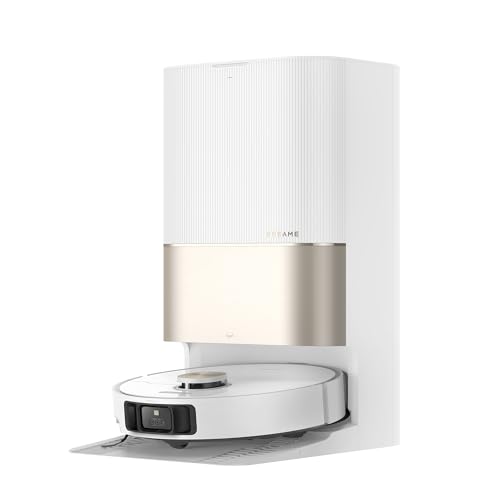
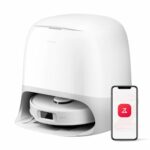
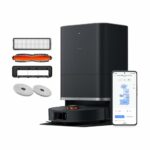
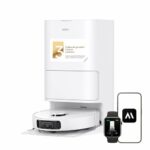
The Dreame L40 Ultra and Dreame X40 Ultra represent two premium cleaning solutions from Dreame's 2024 lineup, both equipped with comprehensive multifunctional bases that handle everything from self-emptying to mop washing and drying. These aren't entry-level models—they're designed for users who want a hands-off cleaning experience with advanced AI navigation and robust mopping capabilities.
At first glance, these models share much of their DNA. Both feature dual rotating mops, hot water mop washing, hot air drying, and extensive smart features. However, subtle differences in suction power, battery capacity, navigation intelligence, and physical dimensions make each suited to slightly different scenarios. Understanding these distinctions helps determine which better fits your home and cleaning priorities.
Key Differences at a Glance
- The X40 Ultra delivers 12,000 Pa suction versus 11,000 Pa on the L40 Ultra
- Battery capacity differs: 6,400 mAh in the X40 Ultra compared to 5,200 mAh in the L40 Ultra
- The X40 Ultra recognises 120 obstacles, whilst the L40 Ultra identifies 100
- Height varies: the X40 Ultra measures 97 mm tall, the L40 Ultra stands at 103.8 mm
- The L40 Ultra includes its own voice assistant; the X40 Ultra relies on external assistants like Alexa or Google Home
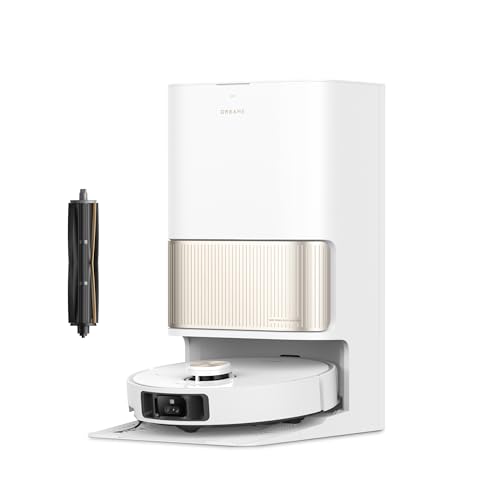
- Main brush design differs: TriCut 3.0 on the L40 Ultra versus a simpler brush on the X40 Ultra
Power and Suction
Suction power separates these models by 1,000 Pa. The Dreame X40 Ultra reaches 12,000 Pa, whilst the L40 Ultra offers 11,000 Pa. In practical terms, this difference becomes noticeable on carpets or when dealing with embedded debris in rugs, where higher suction helps extract more dirt from fibres.
The main brush configuration takes an interesting turn. The L40 Ultra uses Dreame's TriCut 3.0 system, which combines bristles with integrated blades designed to cut through tangled hair. The X40 Ultra opts for a simpler brush design. For homes with pets or long-haired occupants, the TriCut system reduces maintenance frequency by preventing hair from wrapping around the roller.
Both models lift their main brush during mopping and feature extendable side brushes that reach into corners. The side brushes also elevate when mopping to avoid dragging dry debris through wet areas. Anti-tangle technology applies to the side brushes on both units, keeping them clear of hair buildup.
Mopping
The mopping systems are nearly identical. Each robot employs dual rotating mops that extend outward to clean edges and corners more effectively. Both include Dreame's RoboSwing movement, which nudges the mop slightly under furniture edges and skirting boards.
Mop elevation reaches 10.5 mm on both models, enough clearance to protect carpets and rugs during cleaning cycles. When you want to vacuum only, both robots automatically remove their mops at the base, eliminating the need for manual intervention.
Dirt detection works on two levels: the robots sense when mops need washing and when floor areas require additional scrubbing. This triggers return trips to the base for mop cleaning or extra passes over stubborn spots. The base washes mops with hot water and dries them using heated air, preventing odours and bacterial growth between cleaning sessions.
Water temperature for actual floor mopping remains cold on both units. The hot water feature applies specifically to cleaning the mops themselves at the base. Both bases include a detergent dispenser that adds cleaning solution during the mop washing cycle.
Navigation System
Navigation hardware looks similar: both use third-generation LiDAR turrets combined with dual AI cameras and frontal 3D laser sensors. The AI Sage 11.0 Quantum processor powers obstacle recognition on each model. LED lighting enables the cameras to function in dark rooms.
The distinction emerges in obstacle database size. The X40 Ultra recognises 120 different objects, whilst the L40 Ultra identifies 100. This expanded recognition helps the X40 Ultra navigate more complex environments with greater variety in furniture, toys, cables, and household items.
Both detect pets and curtains specifically, adjusting cleaning behaviour to avoid disturbing animals or getting tangled in fabric. Remote camera access lets you check on your home through the robot's vision, and CleanGenius AI optimises cleaning strategies based on room type and dirt levels detected.
Battery and Autonomy
Battery capacity shows a notable gap. The Dreame X40 Ultra packs 6,400 mAh, compared to 5,200 mAh in the L40 Ultra. Despite this difference, both models achieve 194 minutes of runtime under standard conditions.
The larger battery in the X40 Ultra likely compensates for the higher power consumption of its stronger suction motor. In practice, this means both robots handle similar floor areas on a single charge, making them suitable for homes up to around 200-250 square metres depending on floor type and cleaning mode intensity.
Smart Features
Both robots clear obstacles up to 22 mm high, managing door thresholds, rug edges, and minor floor transitions without assistance. This capability reduces the chances of the robot getting stuck during cleaning cycles.
The L40 Ultra includes its own voice assistant, allowing direct voice commands to the robot itself. The X40 Ultra skips this feature but integrates with Alexa and Google Home for voice control through external smart speakers. Whether this matters depends on your existing smart home setup and preference for standalone versus ecosystem-integrated voice control.
Multifunctional Base
The bases are functionally identical. Both auto-empty the 300 ml onboard dustbin into a 3.2-litre dust bag, wash mops with hot water, dry them with heated air, and feature second-generation self-cleaning of the washing tray to prevent buildup.
Water tank capacities match: 4.5 litres for clean water and 4 litres for dirty water. These generous sizes reduce refill frequency, especially useful for larger homes or multiple cleaning sessions. The detergent reservoir adds cleaning solution automatically during mop washing.
Neither base includes UV disinfection or integrated plumbing connections. However, both offer an optional kit for permanent water connection, purchased separately. This accessory eliminates manual tank filling and emptying but requires installation near plumbing access points.
Dimensions
The most practical dimensional difference lies in robot height. The Dreame X40 Ultra measures 97 mm tall, whilst the L40 Ultra stands at 103.8 mm. That 6.8 mm reduction helps the X40 Ultra slip under furniture where the L40 Ultra might not fit—sofas, cabinets, or bed frames with tight clearances benefit from the lower profile.
Diameter remains 350 mm on both, standard for this class of robot. The bases share identical footprints at 340 mm wide, 590.5 mm tall, and 456.7 mm deep. You'll need similar floor space for either station, roughly the size of a small bedside cabinet.
Onboard tank sizes match: 300 ml for dust and 80 ml for water. These modest capacities matter less than usual since the base handles emptying and refilling automatically.
Real-World Use Experience
For homes with pets, the L40 Ultra's TriCut 3.0 brush offers a tangible advantage in reducing hair tangles, though both models handle pet hair well thanks to strong suction and anti-tangle side brushes. The X40 Ultra's extra suction power proves beneficial on thick carpets or homes with heavy foot traffic that grinds dirt deep into fibres.
The X40 Ultra's lower profile makes it better suited to homes with low-clearance furniture. If your sofa or bed sits close to the floor, those 6.8 mm matter. The expanded obstacle recognition also helps in cluttered environments—children's playrooms, home offices with cables, or living spaces with varied furniture styles.
Both models excel at mopping hard floors and parquet. The hot water mop washing, heated drying, and automatic mop removal create a genuinely low-maintenance mopping experience. Dirt detection ensures stubborn kitchen spills or muddy footprints receive extra attention without manual intervention.
Battery life proves adequate for most homes. The 194-minute runtime handles typical flats and houses in one go, with the robot returning to recharge if needed for larger spaces. The multifunctional bases mean you can schedule daily cleaning and largely forget about maintenance beyond occasional dust bag changes and water refills—or none at all if you install the optional plumbing kit.
Conclusion: Which to Choose?
Choose the Dreame L40 Ultra if: you want the TriCut 3.0 brush for superior hair management, prefer having a built-in voice assistant on the robot itself, or don't have particularly low furniture that requires the slimmest possible profile. It's an excellent choice for pet owners dealing with shedding, and the slightly lower price typically associated with this model offers strong value without sacrificing core functionality.
Choose the Dreame X40 Ultra if: you need maximum suction power for deep carpet cleaning, have furniture with tight clearances where every millimetre counts, or want the most advanced obstacle recognition available. The larger battery capacity paired with higher power consumption balances out in runtime, but the 12,000 Pa suction and 97 mm height make this the better option for challenging floor types or homes where the robot needs to navigate under more furniture. Homes with complex layouts and varied obstacles benefit from the expanded recognition database.
Both represent top-tier robot aspirador Dreame options for 2025, with multifunctional bases that genuinely reduce hands-on maintenance. The choice ultimately depends on whether you prioritise the L40 Ultra's hair-cutting brush and voice assistant, or the X40 Ultra's extra suction, slimmer profile, and smarter obstacle avoidance.