Introduction
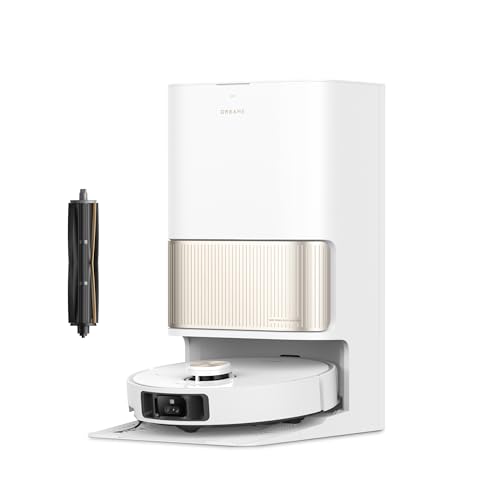
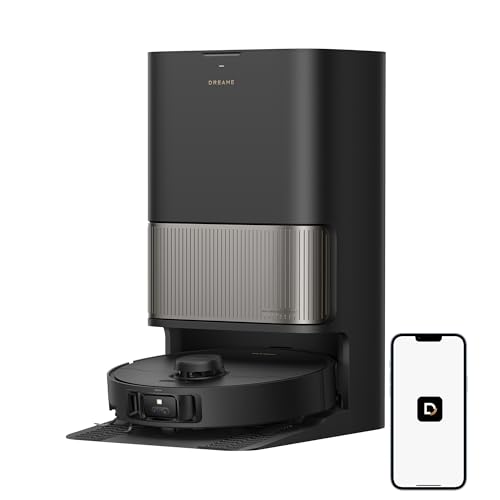
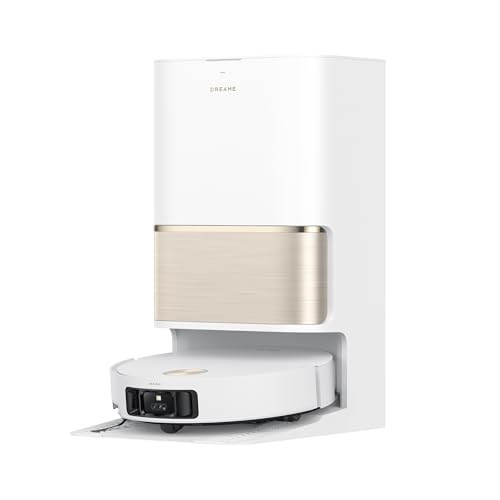
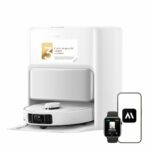
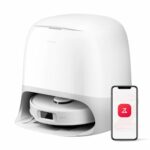
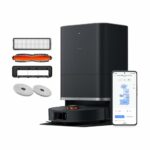
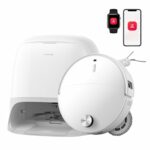
Dreame has released three flagship models that represent the evolution of its premium robot vacuum range. The Dreame L40 Ultra arrived in 2024, whilst the Dreame L40s Pro Ultra and Dreame L50 Pro Ultra both launched in 2025. All three feature multifunction bases with mop washing and hot air drying, making them suitable for homes requiring serious mopping performance alongside powerful vacuuming.
The L40 Ultra established a solid foundation with 11,000 Pa suction and TriCut 3.0 brush technology. The L40s Pro Ultra pushed boundaries with 19,000 Pa, whilst the L50 Pro Ultra takes things further with 19,500 Pa and introduces a retractable LiDAR system that reduces height to just 89 mm. This makes it particularly interesting for homes with low-clearance furniture.
All three models target users who want minimal maintenance and comprehensive cleaning. The differences lie in raw power, navigation sophistication, and physical dimensions.
Key Differences at a Glance
- Suction power escalates from 11,000 Pa (L40 Ultra) to 19,000 Pa (L40s Pro Ultra) and 19,500 Pa (L50 Pro Ultra)
- Main brush design shifts from TriCut 3.0 to dual brush systems in the newer models
- L50 Pro Ultra features retractable LiDAR, reducing height from 103.8 mm to 89 mm
- Battery capacity jumps to 6,400 mAh in the L50 Pro Ultra versus 5,200 mAh in the other two
- Dust container in the robot increases to 395 ml in the L50 Pro Ultra compared to 300 ml
- Object recognition improves from 100 items (L40 Ultra) to 180 items in both 2025 models
- Base self-cleaning advances from 2nd generation (L40 Ultra) to 3rd generation technology
- AI processing uses Sage 11.0 in the L40 Ultra and Sage 13.0 in the L50 Pro Ultra
Power and Suction
The suction power difference is substantial. The Dreame L40 Ultra delivers 11,000 Pa, which handles daily debris well enough. However, the L40s Pro Ultra nearly doubles this with 19,000 Pa, and the L50 Pro Ultra edges ahead with 19,500 Pa. In practice, this extra power becomes noticeable on carpets and when dealing with embedded dirt or pet hair.
The main brush technology evolved significantly. The L40 Ultra uses TriCut 3.0, which combines bristles with cutting blades to reduce hair tangles. The two 2025 models switch to a dual brush system that prevents hair from wrapping around the mechanism entirely. All three models lift their main brush during mopping to avoid dragging dirt across wet floors.
Each robot includes an extendable side brush that reaches into corners more effectively. The side brush also lifts when mopping and features anti-tangle design across all three models. This consistency means corner cleaning performance remains strong throughout the range.
Mopping
All three robots use dual rotating mops with extension capabilities and the distinctive RoboSwing movement that angles the mop under furniture edges and skirting boards. Mop elevation reaches 10.5 mm, allowing the robots to climb onto medium-pile rugs without wetting them.
The bases wash mops with hot water at 70°C and dry them using hot air at 65°C. This temperature combination removes stubborn stains during the wash cycle and prevents mould growth during drying. Each base includes a detergent dispenser that doses cleaning solution automatically.
Dirt detection works on two levels. Sensors in the mops identify when they're becoming soiled, triggering a return to base for washing. Separate sensors detect dirty patches on the floor itself, prompting the robot to make additional passes. The mops can be automatically removed at the base when you only need vacuuming, which is practical for homes with mixed flooring.
The key mopping advancement appears in the base self-cleaning system. The L40 Ultra uses 2nd generation technology, whilst both 2025 models feature 3rd generation self-cleaning that maintains the washing tray more effectively between uses.
Navigation System
The L40 Ultra and L40s Pro Ultra use traditional LiDAR turrets for mapping, whilst the L50 Pro Ultra introduces a retractable LiDAR that lowers the robot's height to 89 mm. This 14.8 mm reduction matters when accessing the space under beds, sofas, and kitchen cabinets.
All three models combine LiDAR with dual AI cameras and 3D laser sensors at the front. LED lighting enables night-time navigation without disturbing sleep. Remote camera access through the app works across all models, letting you check on pets or monitor rooms when away from home.
Object recognition improved substantially. The L40 Ultra identifies 100 different obstacles, whilst the L40s Pro Ultra and L50 Pro Ultra recognise 180 items. This expanded database includes more furniture types, cables, and household objects, reducing the need for pre-cleaning preparation. Pet detection and curtain recognition feature throughout the range.
The AI processing differs where specified. The L40 Ultra runs AI Sage 11.0 with a quad-core 1.8 GHz processor, whilst the L50 Pro Ultra uses the newer AI Sage 13.0. The CleanGenius AI system adapts cleaning patterns based on room type and detected dirt levels across all three robots.
Battery and Autonomy
Battery capacity splits into two categories. The L40 Ultra and L40s Pro Ultra contain 5,200 mAh batteries, whilst the L50 Pro Ultra increases this to 6,400 mAh. Runtime reaches 194 minutes for the L40 Ultra, extends to 220 minutes for the L40s Pro Ultra, and settles at 200 minutes for the L50 Pro Ultra despite its larger battery and more powerful motor.
The variation in runtime despite different battery sizes reflects the power demands of the stronger suction systems. The L50 Pro Ultra's extra capacity compensates for its 19,500 Pa motor, whilst the L40s Pro Ultra achieves the longest runtime by balancing 19,000 Pa suction with a 5,200 mAh battery.
For large homes, these differences become relevant. The L40s Pro Ultra's 220-minute runtime provides more coverage before returning to recharge, though all three models resume cleaning automatically after charging if needed.
Smart Functions
Obstacle climbing capability differs noticeably. The L40 Ultra manages 22 mm thresholds, whilst both 2025 models handle simple steps without specifying exact height. This suggests improved climbing mechanisms that tackle standard door thresholds and carpet edges more reliably.
Each robot includes Dreame's own voice assistant alongside compatibility with Alexa and Google Home. The integrated assistant responds to direct commands without requiring external smart speakers, adding convenience for voice control preferences.
Multifunction Base
The base specifications remain largely consistent. Each station automatically empties the robot's dust container into a 3.2-litre bag, washes mops with hot water, and dries them with heated air. Water tanks hold 4.5 litres of clean water and 4 litres of dirty water, providing enough capacity for multiple cleaning sessions in medium-sized homes.
The detergent dispenser features across all models, automatically adding cleaning solution during mop washing. None of the bases include UV disinfection or automatic mop replacement. A plumbing connection kit is available separately for all three, though none come with integrated water line connections as standard.
The progression from 2nd generation to 3rd generation base self-cleaning represents the main maintenance improvement. The newer system keeps the washing tray cleaner between manual interventions, reducing the frequency of base maintenance.
Dimensions
The bases measure identically at 340 mm wide, 590.5 mm tall, and 456.7 mm deep. This consistency simplifies replacement if upgrading between models.
Robot dimensions show more variation. The L40 Ultra and L40s Pro Ultra both measure 350 mm in diameter and 103.8 mm tall. The L50 Pro Ultra maintains the same 350 mm diameter but drops to 89 mm height thanks to its retractable LiDAR system.
This 14.8 mm height reduction makes a practical difference. Many bed frames, sofas, and kitchen cabinets have clearances between 90-100 mm. The L50 Pro Ultra accesses spaces the other models cannot reach, potentially covering more floor area without manual intervention. For homes with standard-height furniture, the difference becomes less significant.
The L50 Pro Ultra also includes a larger onboard dust container at 395 ml compared to 300 ml in the other models. This extra capacity means slightly longer intervals between automatic emptying cycles, though the difference is modest. All three robots carry 80 ml water tanks for moistening mops during cleaning.
Real-World Usage
For homes with pets, the dual brush systems in the L40s Pro Ultra and L50 Pro Ultra offer clear advantages over the TriCut 3.0 design. Hair tangles become less frequent, reducing maintenance time. The higher suction power in both 2025 models also pulls embedded pet hair from carpets more effectively.
Large homes benefit from the L40s Pro Ultra's extended 220-minute runtime, which covers more area before recharging. The L50 Pro Ultra's 6,400 mAh battery provides reserve capacity for demanding cleaning sessions even if runtime is slightly shorter on paper.
Low-clearance furniture makes the L50 Pro Ultra the logical choice. That 89 mm height opens up cleaning zones that taller robots simply skip. This matters particularly in bedrooms and living areas where dust accumulates under furniture.
The hot water mop washing and hot air drying work identically across all models, making them equally suitable for homes prioritising mopping performance. The 3rd generation base self-cleaning in the newer models reduces the frequency of manual base maintenance, which adds up over months of use.
Homes with many obstacles benefit from the improved object recognition in the 2025 models. Recognising 180 items versus 100 means fewer stuck incidents and less need to tidy before starting a cleaning cycle.
Conclusion: Which to Choose?
Choose the Dreame L40 Ultra if you want capable cleaning at a lower price point. The 11,000 Pa suction handles daily maintenance well, and the TriCut 3.0 brush reduces tangles adequately for homes without heavy pet hair. The 2024 model delivers solid performance with hot water mop washing and all essential smart features. It suits smaller homes where the 194-minute runtime provides sufficient coverage.
Choose the Dreame L40s Pro Ultra if you need maximum runtime combined with strong suction. The 220-minute battery life covers large floor areas thoroughly, whilst 19,000 Pa tackles embedded dirt and pet hair. The 3rd generation base self-cleaning reduces maintenance frequency. This model works well for expansive homes with standard furniture clearances and moderate to heavy cleaning demands.
Choose the Dreame L50 Pro Ultra if accessing low-clearance spaces matters most. The 89 mm height reaches under furniture that blocks taller robots, potentially increasing cleaned floor area by 20-30% in typical homes. The 19,500 Pa suction provides the strongest performance in the range, whilst the 6,400 mAh battery ensures power reserves for demanding sessions. The AI Sage 13.0 processing and 180-item object recognition make this the most sophisticated option for tech-focused users who want the latest navigation capabilities alongside superior furniture access.