Introduction
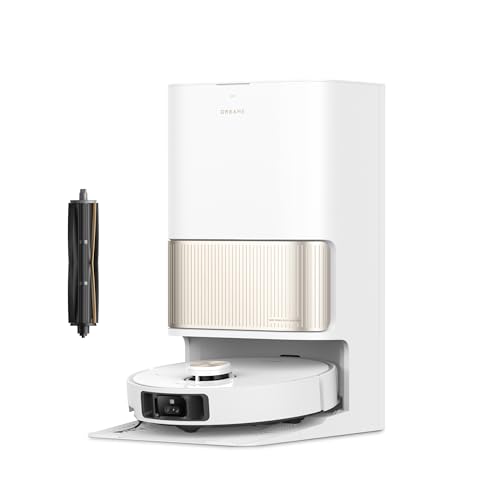
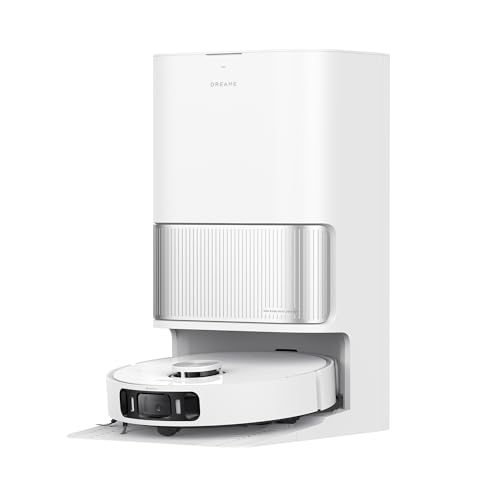
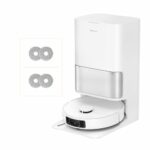
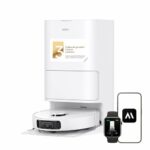
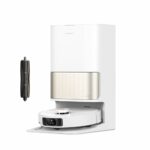
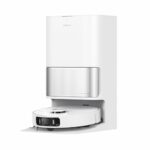
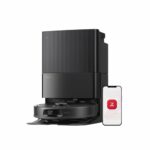
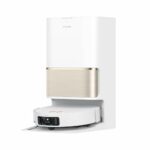
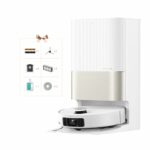
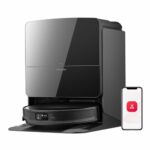
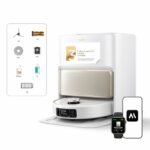
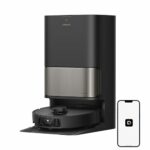
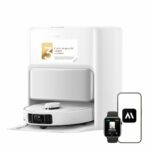
The Dreame L40 Ultra and Dreame L40 Ultra AE represent two generations of premium robot vacuum cleaners from the same manufacturer. The original L40 Ultra launched in 2024, whilst the AE variant arrived in 2025 as a refreshed version. Both models feature comprehensive multifunctional bases that handle automatic emptying, mop washing with hot water, and hot air drying. They're designed for users who want minimal intervention in their floor cleaning routine.
What makes this comparison particularly interesting is that these aren't drastically different machines. The AE version introduces specific upgrades that might appeal to certain households, but it also removes some features present in the original. Understanding which compromises matter for your home will help determine the right choice.
Key Differences at a Glance
- Suction power: 11,000 Pa versus 19,000 Pa
- Side brush functionality: the original has extendable, liftable, and anti-tangle features; the AE lacks all three
- Automatic mop removal at the base: only available on the L40 Ultra
- AI camera system: dual cameras on the original versus single camera on the AE
- Object recognition: 100 items versus 120 items
- Curtain detection: present only on the L40 Ultra
- AI stain recognition: exclusive to the original model
- Voice assistant built-in: only the L40 Ultra includes this
- Obstacle climbing: 22 mm versus 20 mm
- Dust bin capacity in robot: 300 ml versus 395 ml
- Robot height: 103.8 mm versus 97 mm
Power and Suction
The most striking difference between these models lies in raw suction power. The Dreame L40 Ultra AE delivers 19,000 Pa, which represents a substantial increase over the original's 11,000 Pa. This boost should translate to more effective debris removal, particularly on carpets or in homes with pets that shed heavily.
Both models use the TriCut 3.0 main brush, which combines bristles with integrated blades designed to slice through tangled hair. The main brush lifts during mopping on both machines, preventing wet debris from being dragged across already-cleaned floors.
Where things diverge significantly is the side brush system. The L40 Ultra features an extendable side brush that reaches into corners more effectively, plus it lifts when mopping to avoid flinging dirty water around. It also includes anti-tangle technology. The AE version strips away all three of these features, offering only a standard fixed side brush. For homes with lots of furniture legs or intricate floor plans, this represents a genuine step backwards in edge cleaning capability.
Mopping
Both robots use dual rotating mops that extend outwards to reach edges, enhanced by Roboswing technology that creates a slight swaying motion to push the mop slightly under furniture overhangs. Mop elevation reaches 10.5 mm on both models, sufficient to clear most low-pile rugs without soaking them.
The bases wash mops with hot water and dry them with heated air, which helps prevent odours and bacterial growth. Both detect dirt on the mops and on the floor itself, triggering additional cleaning passes when needed. The second-generation tray self-cleaning system appears on both stations, reducing manual maintenance.
A notable difference emerges in convenience: the L40 Ultra can automatically dismount its mops at the base, allowing it to vacuum-only without manual intervention. The AE requires you to physically remove the mops if you want to skip mopping. For households that frequently switch between mopping and vacuuming modes, this matters more than it might initially seem.
Navigation System
Both models navigate using a third-generation LiDAR turret combined with front-facing 3D laser sensors. They can access their cameras remotely, useful for checking on pets or simply seeing what the robot encountered during its rounds. LED lighting enables night vision functionality.
The camera setup differs between models. The original L40 Ultra employs dual AI cameras, whilst the AE uses a single camera. Despite this, the AE recognises 120 different objects compared to the original's 100. Both identify pets and adjust cleaning accordingly.
The L40 Ultra includes curtain detection, which prevents the robot from tangling itself in floor-length drapes. This feature doesn't appear on the AE. The original also offers AI-powered stain recognition that triggers targeted cleaning, another capability absent from the newer model. The L40 Ultra runs on the AI Sage 11.0 Qualcomm processor, though the AE's specific chipset isn't disclosed.
Battery and Autonomy
Both robots pack identical 5,200 mAh batteries. The L40 Ultra provides 194 minutes of runtime, though the AE's autonomy figure isn't available. Given the AE's significantly higher suction power, it likely consumes more energy during operation, potentially resulting in shorter runtime despite the same battery capacity.
Smart Features
The Dreame L40 Ultra climbs obstacles up to 22 mm high, whilst the AE manages 20 mm. This 2 mm difference might seem trivial, but it can determine whether a robot clears certain door thresholds or gets stranded.
Only the L40 Ultra includes a built-in voice assistant, allowing direct interaction without relying on external smart home systems. Both models support Alexa and Google Home integration regardless.
Multifunctional Cleaning Base
The bases are functionally identical. Both feature 3.2-litre dust bags, 4.5-litre clean water tanks, and 4-litre dirty water tanks. These capacities suit larger homes comfortably, minimising how often you need to empty or refill.
Hot water mop washing and hot air drying come standard on both stations, as does automatic tray cleaning and a detergent dispenser. Neither includes UV disinfection or integrated plumbing connection, though both can accommodate an optional plumbing kit purchased separately. This add-on eliminates manual water tank maintenance but requires installation and isn't essential for most users.
Dimensions
The bases measure identically at 340 mm wide, 590.5 mm tall, and 456.7 mm deep. Both robots share a 350 mm diameter, but height differs noticeably. The L40 Ultra stands 103.8 mm tall, whilst the AE measures just 97 mm. This 6.8 mm reduction helps the AE squeeze under furniture that might block the original. In practice, this could expand the cleanable area in homes with low-clearance sofas or beds.
The AE compensates for its lower profile with a larger onboard dust bin—395 ml versus 300 ml. This means fewer mid-clean returns to the base for emptying, particularly beneficial during extended cleaning sessions. Both carry 80 ml water tanks for mopping.
Real-World Use Experience
For homes with substantial carpet coverage or multiple shedding pets, the AE's 19,000 Pa suction provides a clear advantage. The power difference becomes especially apparent when extracting embedded pet hair or fine dust from carpet fibres.
However, homes with complex layouts featuring lots of corners, furniture legs, or floor-length curtains benefit from the original L40 Ultra's extendable side brush and curtain detection. The ability to automatically remove mops for vacuum-only cleaning also streamlines daily routines if you don't need to mop every time.
The L40 Ultra's dual cameras and AI stain recognition deliver more sophisticated object avoidance and targeted cleaning. For households with children's toys scattered about or unpredictable floor obstacles, this extra intelligence prevents stuck robots and missed spots.
The AE's lower profile suits homes where furniture clearance has been an issue with previous robots. That extra 6.8 mm genuinely opens up previously inaccessible areas. The larger dust bin also reduces maintenance frequency, appealing to anyone who dislikes frequent emptying.
Conclusion: Which to Choose?
Choose the Dreame L40 Ultra if: You value comprehensive edge cleaning with the extendable side brush, need automatic mop removal for hassle-free vacuum-only sessions, want superior AI object recognition including curtain detection and stain identification, or prefer the built-in voice assistant. This model suits homes with intricate floor plans, abundant furniture, or users who prioritise intelligent navigation over raw suction power.
Choose the Dreame L40 Ultra AE if: Maximum suction power matters most for your carpets or pet hair situation, you need a lower-profile robot to access tight spaces under furniture, or you prefer the larger onboard dust bin for extended cleaning sessions. The AE makes sense for simpler floor plans without excessive obstacles, homes dominated by hard flooring, or users willing to manually manage mop removal in exchange for substantially increased suction.
Neither choice disappoints—both deliver professional-grade cleaning with comprehensive base stations. The decision ultimately hinges on whether you prioritise intelligent features and edge cleaning versatility, or prefer brute suction force and a slimmer profile.