Introduction
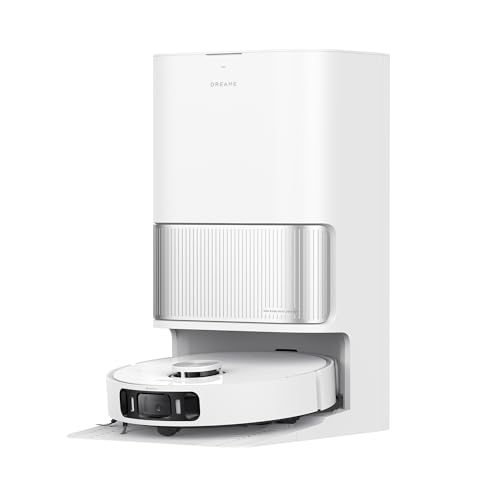
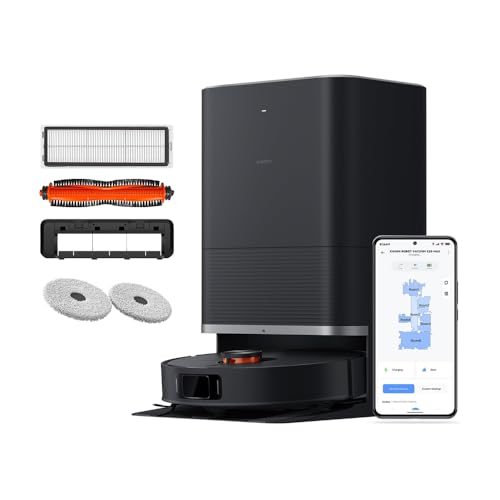
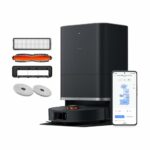
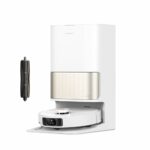
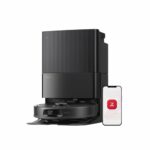
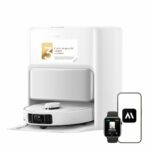
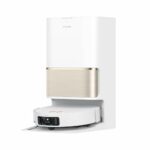
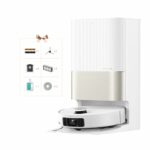
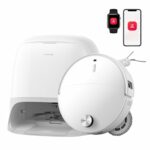
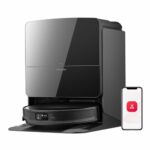
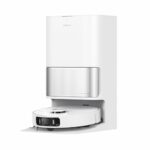
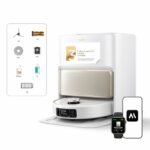
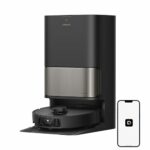
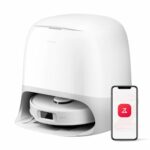
The Dreame L40 Ultra AE represents the latest evolution in high-end robot vacuum cleaners, arriving in 2025 with specifications that push the boundaries of what's currently available. Facing it is the Xiaomi X20 Max from 2024, a model that already established itself as a capable cleaning solution. Both feature multifunctional bases with hot water mop washing and hot air drying, alongside dual rotating mops for effective floor cleaning.
These aren't entry-level models. They're designed for users who want minimal intervention and maximum results, particularly suited to larger homes with mixed flooring types. The Dreame comes with a significant power advantage and enhanced intelligence features, whilst the Xiaomi offers a more established platform at what's likely a different price point.
Key Differences at a Glance
- Suction power: 19,000 Pa (Dreame) versus 8,000 Pa (Xiaomi) – more than double
- Main brush lift during mopping: only the Dreame L40 Ultra AE includes this
- AI camera with remote access: exclusive to the Dreame model
- Dirt detection on mops and floors: present only in the L40 Ultra AE
- Self-cleaning base tray: second-generation system in Dreame, absent in Xiaomi
- Detergent dispenser: integrated in the Dreame base
- Dust bag capacity: 3.2 litres (Dreame) versus 2.5 litres (Xiaomi)
- Water tank sizes: slightly larger in the Dreame model
- Plumbing kit availability: optional purchase for Dreame only
- Object recognition: 120 identified objects in Dreame versus unspecified in Xiaomi
Power and Aspiration
The most striking difference lies in raw suction capability. The Dreame L40 Ultra AE delivers 19,000 Pa, which is substantially more than the 8,000 Pa from the Xiaomi X20 Max. This isn't just a numbers game – in practical terms, it means the Dreame can extract embedded dirt from carpets more effectively and handle larger debris without struggling.
Both models use the TriCut 3.0 brush system, which combines bristles with integrated blades to cut through tangled hair. This design reduces the maintenance burden for households with long-haired residents or pets. However, the Dreame adds an elevating main brush during mopping operations. When the robot switches to floor washing, the main brush lifts away from the surface to prevent it from getting wet and spreading dirt around. The Xiaomi X20 Max doesn't include this feature, meaning the brush remains in contact with damp floors.
Neither model includes an extendable or elevating side brush, nor anti-tangle technology for the side brush specifically. They rely on the main brush system for dealing with hair and fibres.
Mopping Performance
Both robots employ dual rotating mops that spin to scrub floors rather than simply dragging a damp cloth behind them. The Dreame L40 Ultra AE incorporates mop extension with a swinging motion – this allows it to reach further into corners and along skirting boards. The Xiaomi X20 Max also features mop extension, though without the additional swinging movement.
Mop lift height differs slightly: 10.5 mm for the Dreame versus 10 mm for the Xiaomi. That extra half millimetre might seem trivial, but when combined with the higher lift of the main brush on the Dreame, it provides better clearance when transitioning between hard floors and carpets or rugs.
The Dreame stands out with its dirt detection capabilities. Sensors monitor both the mops themselves and the floor being cleaned, allowing the robot to identify particularly soiled areas and adjust its cleaning approach accordingly. The Xiaomi X20 Max lacks this intelligence, following its programmed cleaning pattern without adapting to actual floor conditions.
Neither robot includes automatic mop removal at the base for vacuum-only sessions, so you'll need to remove them manually if you want to avoid any contact with carpeted areas.
Navigation System
Both models use 3D LiDAR turrets for mapping and navigation, combined with frontal 3D laser sensors for obstacle detection. They both include LED lighting for operating in darker conditions. The fundamental navigation architecture is solid in both cases.
What separates them is the AI camera present in the Dreame L40 Ultra AE. This camera enables visual recognition of 120 different object types, including pets, and provides remote access so you can check in on your home whilst the robot is working. The Xiaomi X20 Max doesn't include a camera, relying purely on its laser-based sensors. This means no visual identification of specific objects and no remote viewing capability.
Pet owners might appreciate the Dreame's specific pet recognition, which helps the robot navigate around animals more intelligently. The Xiaomi handles obstacles effectively but doesn't distinguish between a sleeping dog and a pile of cushions.
Both robots feature AI-driven cleaning intelligence – CleanGenius on the Dreame – which optimises cleaning patterns based on room types and previous sessions.
Battery and Autonomy
Battery capacity is identical at 5,200 mAh in both models. The Xiaomi X20 Max specifies 120 minutes of runtime, whilst the Dreame doesn't provide an autonomy figure in the available data. Given the substantially higher suction power of the Dreame, actual runtime will depend heavily on the power level selected and whether you're vacuuming, mopping, or doing both simultaneously.
Both robots can climb obstacles up to 20 mm high, useful for transitioning between rooms with different floor levels or crossing door thresholds without getting stuck.
Smart Functions
Neither robot includes a robotic arm or proprietary voice assistant. Both do integrate with external voice assistants like Alexa and Google Home, allowing voice control of basic functions.
The AI features mentioned earlier – particularly the camera-based intelligence in the Dreame L40 Ultra AE – represent the main smart functionality differences. The ability to remotely access the camera adds a security dimension beyond just cleaning, letting you visually check on your home when you're away.
Multifunctional Cleaning Base
Both bases handle the core functions: automatic dust emptying, hot water mop washing, and hot air mop drying. These features transform the maintenance requirements from daily chores to weekly checks.
The Dreame L40 Ultra AE includes a second-generation self-cleaning system for the washing tray itself, reducing the build-up of grime and odours in the base. The Xiaomi X20 Max doesn't clean its own washing tray, requiring more frequent manual intervention.
A detergent dispenser is integrated into the Dreame's base, automatically adding cleaning solution during mop washing cycles. The Xiaomi base lacks this feature, washing mops with hot water alone. Whilst hot water is effective, the addition of detergent improves results on greasy or stubborn marks.
Dust bag capacity reaches 3.2 litres in the Dreame versus 2.5 litres in the Xiaomi – that's 28% more capacity, meaning less frequent bag changes. Clean water tanks measure 4.5 litres (Dreame) and 4 litres (Xiaomi), with dirty water at 4 litres and 3.8 litres respectively. The differences are modest but favour the Dreame for extended autonomous operation.
The Dreame offers an optional plumbing connection kit, purchased separately, which allows the base to connect directly to water supply and drainage. This eliminates manual tank refilling and emptying entirely. The Xiaomi doesn't offer this option at all.
Neither base includes UV disinfection or automatic mop pad changing systems.
Dimensions
The robots themselves are identical in footprint: 350 mm diameter and 97 mm height. This means both can access the same spaces under furniture and navigate through identical gaps.
The bases differ more noticeably. The Dreame L40 Ultra AE base measures 340 mm wide, 590.5 mm tall, and 456.7 mm deep. The Xiaomi X20 Max base shares the 340 mm width but stands at 563 mm tall and 420 mm deep. The Dreame's base is taller and deeper, requiring more floor space – something to consider if you're tight on room in your utility area or kitchen.
The Dreame robot includes a 395 ml dust container onboard, whilst the Xiaomi's capacity isn't specified. For water, the Dreame carries 80 ml in the robot itself; the Xiaomi confirms it has an onboard water tank but doesn't state the volume.
Real-World Usage Experience
For larger homes, the Dreame L40 Ultra AE offers advantages that accumulate over time. The larger dust bag means fewer interruptions, whilst the bigger water tanks support more extensive mopping sessions. The dirt detection system adapts to actual floor conditions rather than following a rigid pattern, potentially reducing the need for manual intervention in high-traffic areas.
The 19,000 Pa suction makes a tangible difference on carpets and rugs, particularly medium-pile varieties where the Xiaomi's 8,000 Pa might struggle with embedded dirt. For homes with mostly hard flooring, this gap narrows, though the Dreame still maintains an edge.
Pet owners benefit from the Dreame's visual recognition and higher suction. Both models handle pet hair reasonably well thanks to the TriCut 3.0 brush, but the Dreame's ability to identify and navigate around animals reduces the risk of disturbance or accidents.
The camera access on the Dreame adds utility beyond cleaning – checking in on pets or simply verifying the robot hasn't got stuck somewhere. The Xiaomi X20 Max operates more traditionally, relying on app notifications and maps rather than live visual feedback.
Maintenance demands are lighter with the Dreame thanks to the self-cleaning base tray and detergent dispenser. The Xiaomi requires more frequent manual cleaning of the washing area to prevent odours and residue build-up.
Conclusion: Which Should You Choose?
Choose the Dreame L40 Ultra AE if: you want the highest available suction power, particularly for carpeted areas or homes with pets. The AI camera with remote access appeals if you value visual monitoring of your home. The self-cleaning base tray and integrated detergent dispenser reduce maintenance time. Larger water and dust capacities suit bigger properties or those who want maximum autonomy between interventions. The optional plumbing kit provides a path to fully hands-off operation.
Choose the Xiaomi X20 Max if: you're looking at a more established model from 2024 with proven performance. The core cleaning functions – dual rotating mops, hot water washing, hot air drying – are all present. If your home is predominantly hard flooring, the suction difference becomes less critical. The slightly more compact base might fit better in tighter spaces. It represents a capable cleaning solution without the additional features that push the Dreame into premium territory.
The Dreame L40 Ultra AE positions itself as the more advanced option with measurably higher specifications and intelligence features. The Xiaomi X20 Max delivers solid fundamentals at what's likely a different investment level. Your choice ultimately depends on whether the enhanced capabilities of the Dreame justify the difference for your specific home and priorities.