Introduction
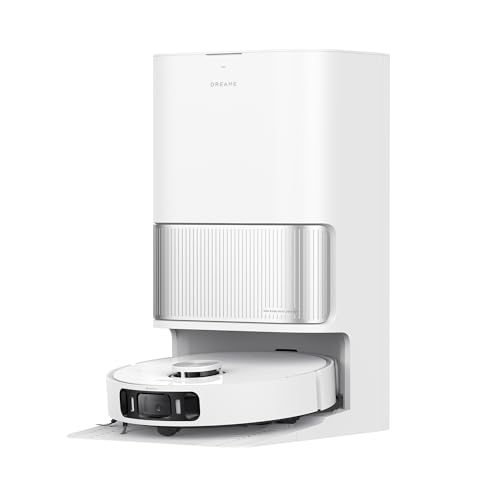
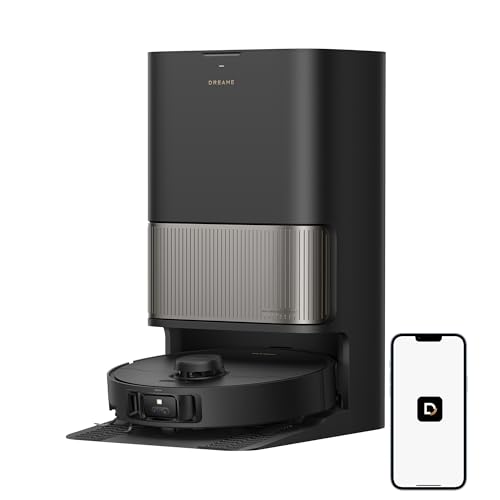
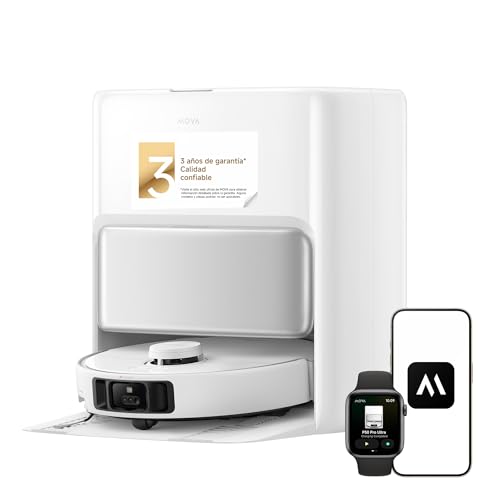
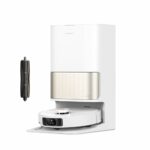
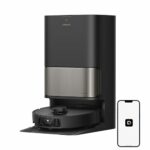
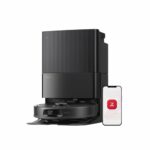
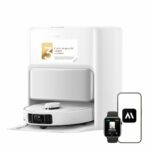
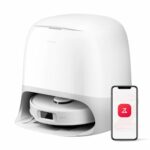
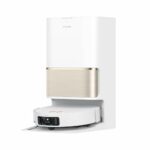
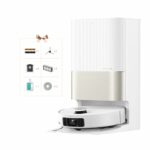
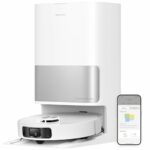
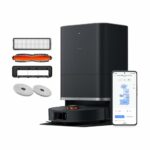
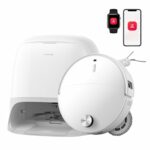
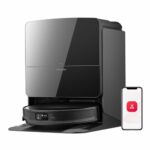
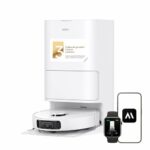
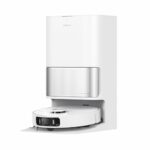
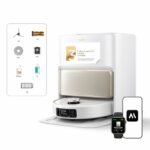
The Dreame L40 Ultra AE, Dreame L40s Pro Ultra and Mova P50 Pro Ultra represent the 2025 generation of high-end robot vacuum cleaners, all sharing an impressive 19,000 Pa suction power and comprehensive multifunction bases. These three models sit at the premium end of the market, designed for users who want a complete hands-free cleaning solution that handles both vacuuming and mopping with minimal intervention.
What makes this comparison particularly interesting is that whilst all three share the same core power and similar battery capacity at 5,200 mAh, they differ significantly in their approach to edge cleaning, AI capabilities and physical dimensions. The Dreame L40 Ultra AE positions itself as the more accessible entry into this advanced tier, whilst the L40s Pro Ultra and Mova P50 Pro Ultra push further into intelligent automation territory.
Differences at a Glance
- The L40 Ultra AE lacks the side brush elevation and extension found in the other two models
- Only the L40s Pro Ultra and Mova P50 Pro Ultra can automatically remove mops at the base for vacuum-only sessions
- The L40 Ultra AE uses a single camera system, whilst the other two feature dual cameras
- The L40s Pro Ultra recognises 180 objects compared to 160 for the Mova and 120 for the L40 Ultra AE
- The L40 Ultra AE stands just 97 mm tall, making it noticeably lower than the other two at 103.8 mm
- The Mova P50 Pro Ultra has a wider but shorter base with slightly smaller water tanks
- The L40s Pro Ultra includes AI-powered stain recognition and curtain detection
- The L40s Pro Ultra can climb simple steps, whilst the others manage 20-22 mm obstacles
Suction Power and Brushwork
All three robots deliver 19,000 Pa of suction, which puts them firmly in flagship territory for 2025. That raw power gets channelled through different brush configurations though, and this is where the models start to diverge.
The Dreame L40 Ultra AE and Mova P50 Pro Ultra both use the TriCut 3.0 main brush, which combines bristles with integrated blades to slice through tangled hair as it cleans. The Dreame L40s Pro Ultra takes a different approach with its dual brush system, which typically helps distribute debris more evenly towards the suction inlet. All three can lift their main brushes when mopping, preventing the transfer of dirt from carpet to hard floors.
The side brush situation reveals a more substantial gap. The L40 Ultra AE uses a fixed side brush without elevation or extension capabilities. In practice, this means it won't automatically lift the brush when mopping and can't extend outwards to reach deeper into corners. The L40s Pro Ultra and Mova P50 Pro Ultra both feature extensible side brushes that swing out to sweep edges more thoroughly, plus they elevate during mopping to avoid flinging water droplets around. These models also include anti-tangle technology on the side brush itself.
Mopping Systems
Each model uses dual rotating mopads with extension capability and the Roboswing movement system, allowing them to push slightly under furniture edges and into corners. The mopads lift 10.5 mm identically across all three, sufficient for low-pile rugs but not thick carpeting.
Where things get interesting is in operational flexibility. The L40s Pro Ultra and Mova P50 Pro Ultra can automatically detach their mopads at the base when you only want to vacuum. The L40 Ultra AE doesn't offer this, so you'll need to remove the mopads manually if you want a vacuum-only session. For homes with mixed flooring where you regularly switch between tasks, this becomes relevant.
All three detect dirt on both the floor and the mopads themselves, triggering re-cleaning passes when needed. The bases wash the mopads with hot water and dry them using warm air to prevent odours, with identical 3.2-litre dust bags. The L40 Ultra AE and both Dreame models have 4.5-litre clean water tanks and 4-litre dirty water tanks, whilst the Mova P50 Pro Ultra drops to 4 litres clean and 3.5 litres dirty. Each includes a detergent dispenser that doses during mop washing.
Navigation Intelligence
LiDAR turrets handle the primary mapping on all three robots, supplemented by front-facing laser 3D sensors for close-range obstacle detection. They all feature LED lighting for low-light conditions and remote camera access through their respective apps.
The camera setup separates the models clearly. The L40 Ultra AE uses a single AI camera and recognises 120 different object types. Step up to the L40s Pro Ultra and you get dual cameras with recognition expanded to 180 objects, plus the ability to detect and handle curtains appropriately. The Mova P50 Pro Ultra also uses dual cameras with 160 objects in its recognition library and curtain detection.
Only the L40s Pro Ultra includes AI-powered stain recognition, which identifies marks on the floor and adjusts cleaning intensity accordingly. All three run CleanGenius AI for adaptive cleaning strategies, learning your home's layout and adjusting their approach over time. Pet recognition works across the board, useful for avoiding bowls and toys.
Battery Performance
The 5,200 mAh batteries are identical, but stated runtime differs where available. The L40s Pro Ultra quotes 220 minutes of operation, whilst the Mova P50 Pro Ultra claims 210 minutes. The L40 Ultra AE doesn't specify runtime, though with the same battery capacity and similar specifications, you'd expect comparable performance.
These figures represent maximum runtime in low-power modes. Actual cleaning time will drop when using full suction power or intensive mopping cycles. For most homes, the combination of battery capacity and automatic recharging with resume means coverage won't be limited by power.
Smart Features
Obstacle climbing varies slightly. The L40 Ultra AE manages 20 mm thresholds, the Mova P50 Pro Ultra handles 22 mm, and the L40s Pro Ultra can tackle simple steps beyond basic threshold crossing. In real terms, this affects whether the robots can move between rooms with different flooring levels or navigate certain doorway transitions.
The L40s Pro Ultra and Mova P50 Pro Ultra both include their own voice assistants built into the robot, allowing direct voice commands without relying on external smart home systems. All three integrate with Alexa and Google Home for broader smart home control. None of the models feature robotic arms for advanced object manipulation.
Multifunction Base Station
Each base handles the complete cleaning cycle: auto-emptying the dust bin, washing the mopads with hot water, and drying them with warm air. The key difference lies in the base tray self-cleaning generation. The L40 Ultra AE uses second-generation technology, whilst the L40s Pro Ultra and Mova P50 Pro Ultra employ third-generation systems. This typically means more thorough cleaning of the base's internal components with less manual maintenance required.
Both Dreame models offer an optional plumbing connection kit that you can purchase separately to hook the base directly to your water supply and drainage. The Mova P50 Pro Ultra doesn't have this option. Whilst it's not a built-in feature on any of them, having the possibility matters if you want to minimise water tank refilling in larger homes.
The 3.2-litre dust bags should last several weeks for typical households before needing replacement. The detergent dispensers add cleaning solution during the mop washing cycle, extending the time between manual cleaning of the base components.
Physical Dimensions
The Dreame L40 Ultra AE stands out with its 97 mm height, making it the lowest of the three and more capable of sliding under furniture with limited clearance. The L40s Pro Ultra and Mova P50 Pro Ultra both measure 103.8 mm tall. That 6.8 mm difference might not sound like much, but it's the gap between fitting under a sofa or getting stuck.
All three share a 350 mm diameter, standard for robot vacuums of this class. The bases tell a different story. The two Dreame models measure 340 mm wide, 590.5 mm tall and 456.7 mm deep. The Mova P50 Pro Ultra base is considerably wider at 420 mm but shorter at 470 mm, with nearly identical depth at 458 mm. This gives the Mova a broader footprint but potentially easier access to the top panel.
Real-World Application
For homes with varied furniture heights, the L40 Ultra AE's lower profile gives it better access under beds, sofas and cabinets. If you've got standard modern furniture, the height difference between models won't matter much. The extensible side brushes on the L40s Pro Ultra and Mova P50 Pro Ultra make more difference in homes with complex floor plans featuring lots of corners and edges.
Pet owners will appreciate the TriCut brushes on the L40 Ultra AE and Mova models for their hair-cutting action, though the dual brush system on the L40s Pro Ultra also handles pet hair effectively. The anti-tangle side brushes on the two premium models help reduce maintenance frequency.
The automatic mop removal on the L40s Pro Ultra and Mova P50 Pro Ultra suits homes where you regularly want to vacuum without mopping, perhaps in carpeted bedrooms whilst mopping the kitchen and bathrooms. Without this feature, the L40 Ultra AE requires manual intervention to switch modes.
Larger homes benefit from the higher object recognition counts and dual camera systems on the premium models, as they navigate more complex environments with greater accuracy. The AI stain recognition on the L40s Pro Ultra adds value in high-traffic areas prone to spills and marks.
Conclusion: Which Should You Choose?
Choose the Dreame L40 Ultra AE if you want the most accessible entry into this performance tier, particularly if you have low-clearance furniture that rules out taller robots. It delivers the core cleaning power and multifunction base capabilities without the advanced edge-cleaning features, making it suitable for open-plan homes without excessive corners. The larger dust capacity in the robot itself (395 ml versus 300 ml) means slightly less frequent returns to base during extended cleaning sessions.
Choose the Dreame L40s Pro Ultra if you want the most advanced AI capabilities available in this comparison, with 180-object recognition, AI stain detection, curtain awareness and automatic mop removal. The third-generation base cleaning and ability to climb simple steps make it the most hands-off option. It's the best match for complex homes with pets, varied flooring and users who want maximum automation.
Choose the Mova P50 Pro Ultra if you're looking for premium features like dual cameras, extensible brushes and automatic mop removal but prefer the wider, shorter base design. The 22 mm obstacle climbing capability is the highest of the three, useful for homes with pronounced threshold transitions. The lack of plumbing kit compatibility matters less if you're comfortable refilling water tanks manually.