Introduction
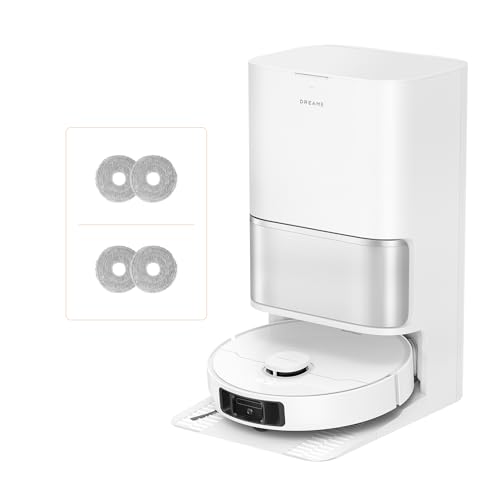
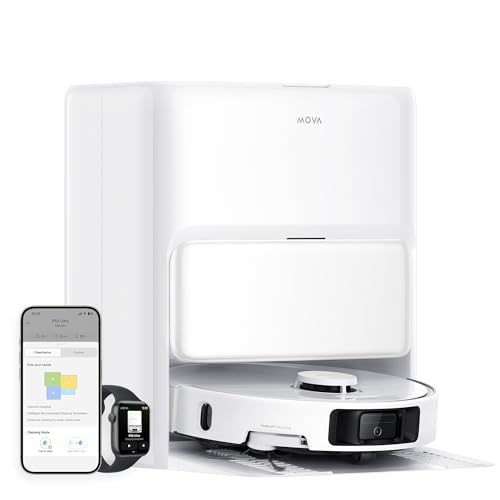
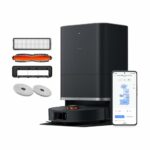
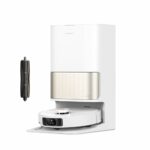
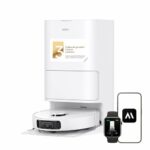
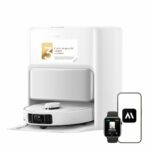
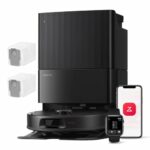
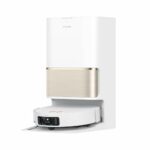
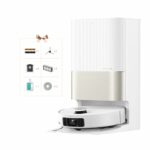
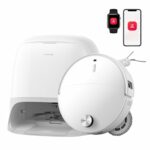
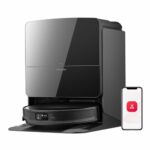
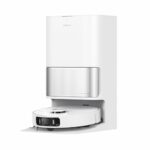
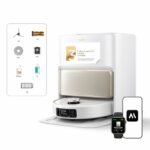
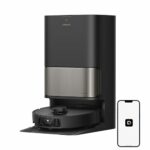
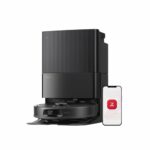
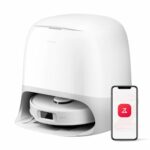
The Dreame L10s Ultra Gen 3 and the Mova P50 Ultra represent two compelling entries in the robot vacuum market for 2025. The Dreame model, launched in November 2025, arrives as a direct competitor to Mova's P50 Ultra, which also debuted this year. Both units feature multifunction bases capable of washing and drying mops with hot air, alongside automatic emptying of the dust bin. These are premium solutions designed for users seeking a largely hands-free cleaning experience.
What makes this comparison particularly interesting is that both models share numerous specifications, yet differ in several key areas that could influence your decision. The Dreame L10s Ultra Gen 3 pushes suction power to 25,000 Pa, whilst the Mova P50 Ultra offers 19,000 Pa. Meanwhile, the Mova introduces features like hot water mop washing and slightly improved obstacle climbing. For households with varied flooring, pets, or specific layout challenges, these differences matter more than the spec sheet might initially suggest.
Key Differences at a Glance
- Suction power: 25,000 Pa (Dreame) vs 19,000 Pa (Mova)
- Mop washing temperature: cold water (Dreame) vs hot water (Mova)
- Main brush lift during mopping: absent on Dreame, present on Mova
- Side brush lift during mopping: absent on Dreame, present on Mova
- Side brush anti-tangle technology: only on Mova P50 Ultra
- Pet recognition: Dreame includes it, Mova does not
- Curtain detection: Mova includes it, Dreame does not
- Obstacle climbing: 20 mm (Dreame) vs 22 mm (Mova)
- Base dimensions: Dreame's base is taller and narrower, Mova's is wider and shorter
- Detergent tank: integrated on Dreame, optional purchase on Mova
- Plumbing connection kit: available for Dreame (sold separately), not for Mova
- Water tank capacities: Dreame holds slightly more clean and dirty water
Power and Suction
The Dreame L10s Ultra Gen 3 delivers 25,000 Pa of suction, a notable step up from the Mova P50 Ultra's 19,000 Pa. In practical terms, this translates to stronger performance on carpets and rugs, as well as more efficient pickup of fine dust and debris embedded in textile fibres. For homes with multiple rugs or medium-pile carpets, the extra suction headroom can make a tangible difference.
Both models use a simple main brush design and feature an extendable side brush, which helps reach into corners more effectively. However, the Mova P50 Ultra takes things further by lifting both the main brush and the side brush during mopping. This prevents wet brushes from dragging across already-cleaned floors or spreading moisture where it isn't needed. The Dreame doesn't lift either brush during mopping, which may require more careful scheduling if you're alternating between vacuuming and mopping tasks.
The Mova also incorporates anti-tangle technology on its side brush, reducing the likelihood of hair wrapping around the bristles. The Dreame lacks this feature on the side brush, though both units share the same simple main brush design. If you have long-haired occupants or pets, the Mova's anti-tangle side brush could save you some maintenance time.
Mopping
Both robots employ dual rotating mops with extension capabilities and RoboSwing movement, allowing them to reach closer to edges and even slightly under furniture overhangs. Mop lift height is identical at 10.5 mm, sufficient for clearing low-pile rugs and transitioning between hard floors and carpets without dragging wet pads across fabric.
The most significant difference lies in how the base treats the mops. The Dreame L10s Ultra Gen 3 washes mops with cold water, whilst the Mova P50 Ultra uses hot water. Hot water is generally more effective at breaking down grease, sticky residues, and stubborn grime on the mop pads themselves. This means the Mova returns to mopping with cleaner pads after each wash cycle, which can improve overall floor hygiene over time.
Both bases dry the mops using hot air, which accelerates drying and helps prevent odours or bacterial growth. Neither model automatically dismounts the mops at the base for vacuum-only sessions, nor do they detect dirt levels on mops or floors to trigger re-cleaning. Mopping is managed through app settings and scheduling rather than adaptive intelligence.
Navigation System
Navigation hardware is nearly identical. Both the Dreame L10s Ultra Gen 3 and Mova P50 Ultra use a 360° LiDAR turret combined with a front-mounted 3D laser sensor for obstacle avoidance. Neither includes a front-facing camera or LED lighting for night vision, and remote camera access isn't available on either unit.
Where they diverge is in object recognition. The Dreame recognises pets, which can be useful for adjusting cleaning patterns around feeding areas or pet beds. The Mova, meanwhile, detects curtains, helping it avoid entanglement with hanging fabrics. Both models integrate CleanGenius AI for intelligent cleaning routines, though the specific obstacles recognised and how each system responds may vary slightly in real-world use.
Battery and Autonomy
Battery capacity is identical at 5,200 mAh. The Dreame L10s Ultra Gen 3 offers 231 minutes of runtime, though the Mova P50 Ultra's autonomy figure isn't available in the data. Given the identical battery and similar specifications, runtime is likely comparable, though the Dreame's higher suction may draw more power under maximum settings.
For typical homes, 231 minutes is more than adequate to cover large floor plans in a single session, even with mopping enabled. Both units return to base automatically to recharge and resume cleaning if the battery runs low mid-cycle.
Smart Features
The Mova P50 Ultra can climb obstacles up to 22 mm, slightly higher than the Dreame's 20 mm threshold. This 2 mm difference might seem trivial, but it can determine whether the robot clears certain door thresholds, thick rugs, or uneven floor transitions without getting stuck. In homes with varied flooring levels, the Mova has a marginal edge.
Both models support external voice assistants such as Alexa and Google Home, but neither includes a proprietary voice assistant or robotic arm. Control and scheduling are handled through their respective apps, which allow room mapping, no-go zones, and customised cleaning routines.
Multifunction Cleaning Base
Both bases handle automatic dust bin emptying into a 3.2-litre bag, mop washing, and hot-air mop drying. They also feature third-generation self-cleaning of the wash tray, reducing the need for manual scrubbing of the base itself. Neither offers UV disinfection or automatic mop changing.
The Dreame L10s Ultra Gen 3 includes an integrated detergent tank, allowing the base to dispense cleaning solution during mop washing. On the Mova P50 Ultra, the detergent tank is an optional purchase, which adds to the initial setup cost if you want this feature.
Water tank capacities differ slightly. The Dreame holds 4.5 litres of clean water and 4 litres of dirty water, whilst the Mova carries 4 litres clean and 3.5 litres dirty. The Dreame's larger reservoirs mean fewer refills and empties, particularly useful in larger homes or during extended mopping sessions.
The Dreame also offers a plumbing connection kit as a separate purchase, enabling direct connection to water and drainage lines for truly hands-free operation. This kit isn't available for the Mova P50 Ultra. Whilst this is an optional accessory, it's worth noting if you're planning a long-term, fully automated setup.
Dimensions
Both robots measure 350 mm in diameter and 97 mm in height, making them equally capable of navigating under low furniture. The real difference lies in the base footprint.
The Dreame's base is 340 mm wide, 590 mm tall, and 457 mm deep. The Mova's base is wider at 420 mm, shorter at 470 mm, and nearly the same depth at 458 mm. The Dreame's taller, narrower profile suits spaces with limited width, such as alongside a wall or in a corner. The Mova's wider, shorter design may fit better under shelving or in spaces with height restrictions. Consider your available floor space and surrounding furniture when deciding where the base will live.
Real-World Use
For homes with pets, the Dreame L10s Ultra Gen 3 offers stronger suction and pet recognition, which can help manage fur and adjust cleaning around pet areas. However, the Mova's anti-tangle side brush and hot water mop washing provide practical benefits for maintaining cleanliness with less manual intervention.
In larger homes, the Dreame's greater clean and dirty water capacity, along with its integrated detergent tank, reduce the frequency of maintenance tasks. The Mova's slightly higher obstacle-climbing ability and curtain detection make it better suited to homes with varied floor levels and window treatments.
Both models handle hard floors and mopping duties effectively, though the Mova's hot water mop washing gives it an edge in maintaining mop hygiene. For carpets and rugs, the Dreame's 25,000 Pa suction provides noticeably stronger performance, particularly on medium-pile surfaces.
Conclusion: Which Should You Choose?
Choose the Dreame L10s Ultra Gen 3 if: you prioritise maximum suction power for carpets and rugs, have pets and want recognition features, prefer larger water tanks to minimise refills, need an integrated detergent dispenser, or are considering future plumbing integration for a fully automated setup. The Dreame also suits homes where the base location has limited width but ample height.
Choose the Mova P50 Ultra if: you value hot water mop washing for better hygiene, need the extra 2 mm obstacle clearance for challenging thresholds, want brush-lifting during mopping to keep floors cleaner, have curtains you'd like the robot to avoid, or prefer a shorter, wider base that fits under low shelving. The Mova is a strong choice for homes focused on mopping performance and adaptive brush behaviour.
At the end of the day, both represent solid options in the premium robot vacuum category. The Dreame leans towards raw power and convenience features, whilst the Mova emphasises intelligent mopping and adaptive hardware. Your specific home layout, flooring mix, and cleaning priorities will determine which model delivers the better fit.