Introduction
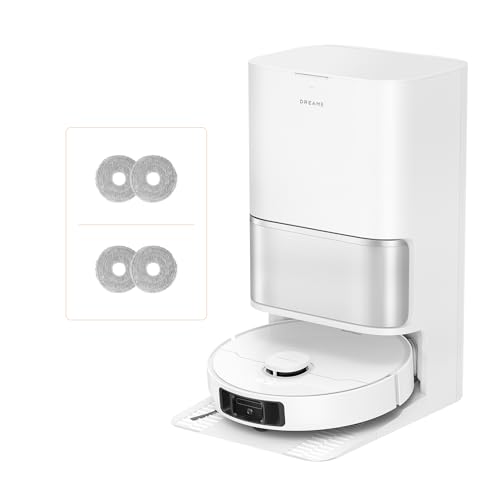
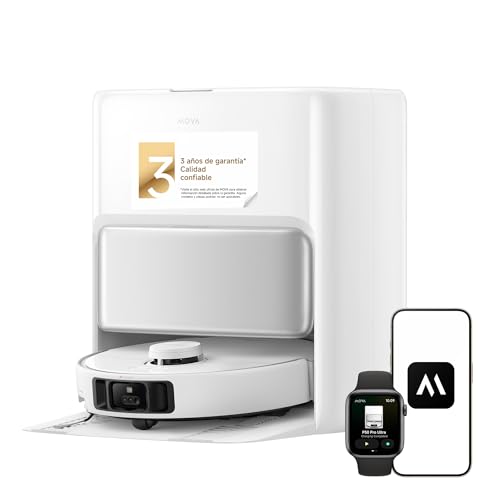
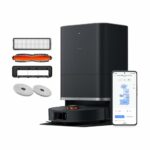
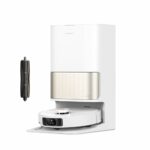
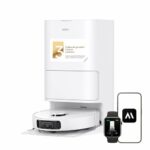
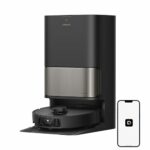
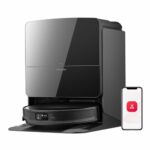
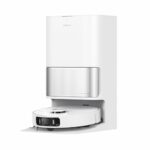
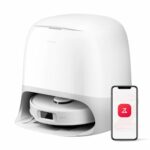
The Dreame L10s Ultra Gen 3 and the Mova P50 Pro Ultra represent two compelling options for anyone looking to upgrade their home cleaning routine in 2025. Both models feature advanced multifunction bases that handle washing and drying mops alongside automatic dustbin emptying, making them suitable for households wanting a genuinely hands-off cleaning experience. The Dreame L10s Ultra Gen 3 arrived in November 2025 as the latest iteration of Dreame's popular L10s line, whilst the Mova P50 Pro Ultra positions itself as a feature-rich alternative with some interesting technological additions.
These aren't budget models. They're designed for medium to large homes where consistent cleaning across hard floors and carpets matters, and where the convenience of minimal maintenance justifies the investment. What sets them apart becomes clear when you examine the details.
Key Differences at a Glance
- The Dreame delivers 25,000 Pa suction versus 19,000 Pa on the Mova
- Mova features dual AI cameras with remote access; Dreame has none
- Mova's base washes mops with hot water; Dreame uses cold
- Mova offers side brush lift during mopping and anti-tangle technology
- Mova can automatically remove mops at the base for vacuum-only cleaning
- Mova includes dirt detection on both mops and floors
- Dreame has larger water tanks (4.5L clean, 4L dirty vs 4L/3.5L)
- Mova climbs 22mm obstacles; Dreame manages 20mm
- Mova includes its own voice assistant; Dreame relies on external ones
- Dreame measures 97mm tall; Mova stands at 103.8mm
Power and Suction
The Dreame L10s Ultra Gen 3 takes a clear lead in raw suction power, delivering 25,000 Pa compared to the Mova P50 Pro Ultra's 19,000 Pa. In practical terms, this translates to more aggressive pickup on carpets and better performance when dealing with embedded dirt or pet hair ground into fibres. If you've got thick rugs or multiple pets, that extra suction headroom makes a tangible difference.
Where things get interesting is the brush configuration. The Dreame uses a simple main roller without anti-tangle features, whilst the Mova employs a TriCut 3.0 system that combines bristles with integrated blades designed to slice through tangled hair. For homes with long-haired occupants or shedding pets, the TriCut design reduces maintenance frequency considerably.
The Mova also lifts its main brush during mopping to avoid dragging a wet roller across your floors, and its side brush elevates too—preventing unnecessary contact when only mopping is required. The Dreame keeps both brushes in contact regardless of mode. Both models feature extendable side brushes for better edge coverage, but only the Mova's side brush includes anti-tangle technology.
Mopping
Both robots use dual rotating mop pads that extend outwards to reach edges, and both incorporate a swing motion to push mops slightly under furniture lips and skirting boards. They lift their mops 10.5mm when encountering carpets or rugs, which prevents cross-contamination but won't clear particularly thick pile.
The base stations handle mop maintenance differently. The Dreame L10s Ultra Gen 3 washes mops with cold water, whilst the Mova P50 Pro Ultra heats the water during the cleaning cycle. Hot water dissolves grease and sticky residue more effectively, which matters if you're dealing with kitchen spills or tracked-in grime. Both dry mops using hot air to prevent odours and bacterial growth.
A standout feature on the Mova is its ability to automatically detach the mop assembly at the base when you only need vacuuming. The Dreame requires manual removal if you want to avoid dragging mops around during vacuum-only sessions. The Mova also monitors dirt levels on both the mops themselves and the floor surface, triggering additional cleaning passes when needed. The Dreame lacks this intelligence, following preset patterns regardless of actual cleanliness.
Navigation System
Both models navigate using 3rd generation LiDAR turrets combined with frontal 3D laser sensors for obstacle avoidance. They map accurately and handle multi-floor layouts without confusion. Pet recognition features on both units help avoid accidents around feeding bowls or toys.
The Mova P50 Pro Ultra pulls significantly ahead with its dual AI cameras. These recognise up to 160 different obstacle types and provide remote camera access through the app, letting you check on your home whilst away. The cameras include LED lighting for low-light operation, and the system can detect curtains to avoid entanglement. The Dreame has none of this—no cameras, no remote viewing, no LED illumination.
Both incorporate CleanGenius AI for intelligent cleaning patterns, but the Mova extends this with AI-powered stain recognition that adjusts cleaning intensity based on what the cameras detect. If you value smart home integration and monitoring capabilities, the Mova's visual intelligence is a substantial advantage.
Battery and Autonomy
Identical 5,200 mAh batteries power both robots, but the Dreame L10s Ultra Gen 3 ekes out 231 minutes of runtime compared to the Mova's 210 minutes. That's about 21 minutes more, which might cover an additional room or two in larger homes. The difference likely stems from the Mova's additional cameras and processing overhead consuming slightly more power.
For most homes under 200 square metres, either battery capacity proves sufficient. Larger properties benefit from the Dreame's extended runtime, particularly when tackling whole-house cleaning in a single session.
Smart Features
The Mova P50 Pro Ultra climbs obstacles up to 22mm high, whilst the Dreame manages 20mm. That 2mm difference might seem trivial, but it determines whether the robot confidently mounts certain door thresholds or gets stuck. In homes with varied flooring levels, the Mova's slightly better climbing ability reduces intervention.
A unique feature on the Mova is its built-in voice assistant, allowing direct interaction without relying on Alexa or Google Home. Both robots support external voice assistants, but the Mova's onboard option adds convenience if you prefer not routing commands through third-party ecosystems.
Multifunction Base
Both bases handle the complete cleaning cycle: automatic dustbin emptying into 3.2-litre bags, mop washing, and hot air drying. Third-generation self-cleaning base trays reduce maintenance further by automatically rinsing the washing platform. Neither includes UV disinfection, and neither changes mop pads automatically.
Tank capacities favour the Dreame slightly—4.5 litres clean water and 4 litres dirty versus the Mova's 4 litres and 3.5 litres respectively. Larger tanks mean fewer refills during extended cleaning sessions or in bigger homes. The Dreame offers an optional plumbing connection kit (sold separately) for continuous water supply, though this isn't a factory-integrated feature and requires additional purchase and installation.
Both bases include detergent dispensers that automatically dose cleaning solution during mop washing, maintaining consistent cleaning performance without manual intervention.
Dimensions
The Dreame L10s Ultra Gen 3 measures 97mm tall, making it 6.8mm lower than the Mova P50 Pro Ultra's 103.8mm height. Whilst both share a 350mm diameter, that height difference determines whether they'll slip under certain sofas, bed frames, or cabinets. If you've got furniture with 100-105mm clearance, the Dreame fits; the Mova doesn't.
Base dimensions vary more substantially. The Dreame's base stands 590mm tall but only 340mm wide, giving it a taller, narrower footprint. The Mova's base measures 470mm tall and 420mm wide—shorter but considerably broader. Both extend roughly 457-458mm deep. Consider your available floor space: the Dreame suits narrow alcoves, whilst the Mova needs more width but less vertical clearance.
Real-World Experience
For homes with pets, the Mova's TriCut 3.0 brush and anti-tangle side brush reduce hair maintenance, though the Dreame's superior suction compensates somewhat by pulling hair more aggressively from surfaces. The Mova's hot water mop washing proves particularly valuable in kitchens where grease accumulates, whilst the Dreame's cold water system handles general dirt adequately but struggles more with sticky residues.
Larger properties benefit from the Dreame's extended battery life and larger water tanks, reducing mid-clean interruptions. The Mova's AI cameras and dirt detection shine in homes with unpredictable messes—families with young children or active pets—where adaptive cleaning matters more than preset routines.
The Dreame's lower profile makes it the better choice if you've got lots of low furniture you want cleaned beneath. The Mova's remote camera access appeals to anyone who values home monitoring or wants to check on pets during the day.
Conclusion: Which Should You Choose?
Choose the Dreame L10s Ultra Gen 3 if: You prioritise maximum suction power for deep carpet cleaning, need the longest possible battery runtime for large homes, want to fit under low furniture, prefer larger water tanks for extended mopping sessions, or plan to eventually connect the base to your home's plumbing. It's the more straightforward option focused on core cleaning performance.
Choose the Mova P50 Pro Ultra if: You want the most advanced AI features including dual cameras with remote access, value hot water mop washing for better grease removal, appreciate automatic mop removal for vacuum-only cleaning, need dirt detection that adapts to actual floor conditions, want a built-in voice assistant, or have slightly taller thresholds that require the extra 2mm climbing ability. It's the smarter robot with more autonomous decision-making.
Both represent solid investments in home automation. The Dreame delivers straightforward power and capacity, whilst the Mova adds layers of intelligence and adaptability. Your choice ultimately depends on whether you value raw performance or smart features more highly.