Introduction
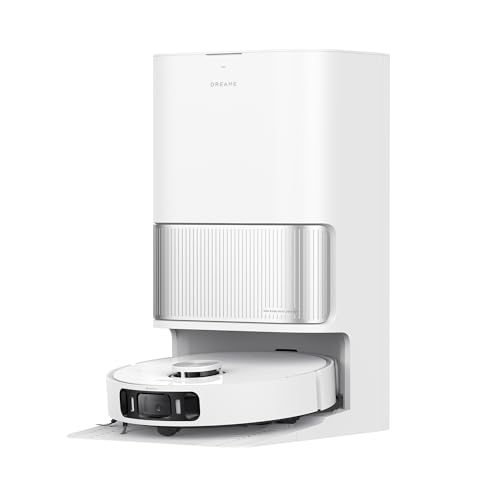
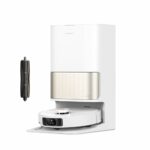
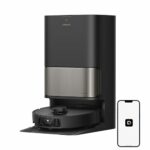
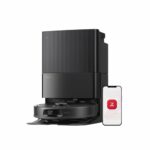
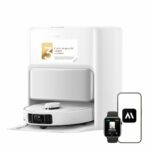
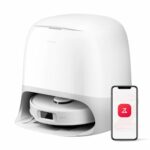
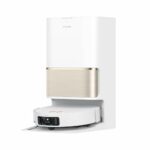
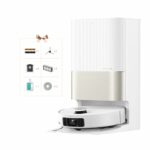
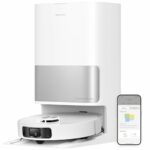
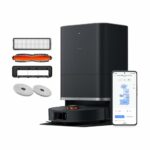
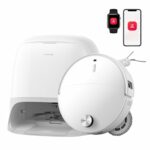
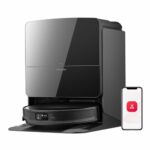
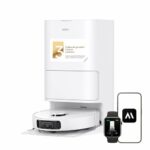
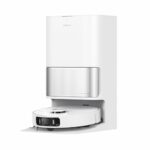
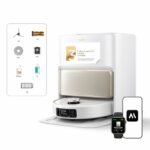
The Dreame L10s Ultra Gen 3, Dreame L40 Ultra, and Dreame L40 Ultra AE represent three distinct approaches within the same manufacturer's premium range. The L10s Ultra Gen 3 arrived in November 2025 as the latest generation, whilst the L40 Ultra launched in 2024 and the L40 Ultra AE followed in 2025. All three feature multifunctional bases with automatic emptying, mop washing, and hot air drying, positioning them as complete cleaning solutions for households seeking minimal intervention.
What separates these models isn't just their release dates. The L10s Ultra Gen 3 pushes suction power to an impressive 25,000 Pa with a simplified brush design, whilst the L40 Ultra focuses on advanced AI capabilities with dual cameras and 100 object recognition. The L40 Ultra AE sits between them, offering 19,000 Pa suction and scaled-back intelligence features. Each targets slightly different priorities: raw cleaning power, smart navigation, or balanced performance.
Key Differences at a Glance
- Suction power varies dramatically: 25,000 Pa (L10s Ultra Gen 3), 11,000 Pa (L40 Ultra), 19,000 Pa (L40 Ultra AE)
- Main brush technology differs: SimpleCut (L10s Ultra Gen 3) versus TriCut 3.0 (both L40 models)
- Only the L40 Ultra features elevating main and side brushes
- The L40 Ultra includes dual AI cameras; the L40 Ultra AE has a single camera; the L10s Ultra Gen 3 has none
- LED night vision and remote camera access exclusive to both L40 models
- Automatic mop removal at the base only available on the L40 Ultra
- The L40 Ultra recognises 100 obstacles; the L40 Ultra AE identifies 120
- Built-in voice assistant present only on the L40 Ultra
- The L10s Ultra Gen 3 offers 231 minutes autonomy versus 194 minutes on the L40 Ultra
Suction Power and Brushing
The most striking contrast appears in suction capability. The L10s Ultra Gen 3 delivers 25,000 Pa, more than double the L40 Ultra's 11,000 Pa and significantly above the L40 Ultra AE's 19,000 Pa. This translates to noticeably stronger pickup on carpets and better deep-cleaning performance, particularly useful for homes with pets or high-traffic areas.
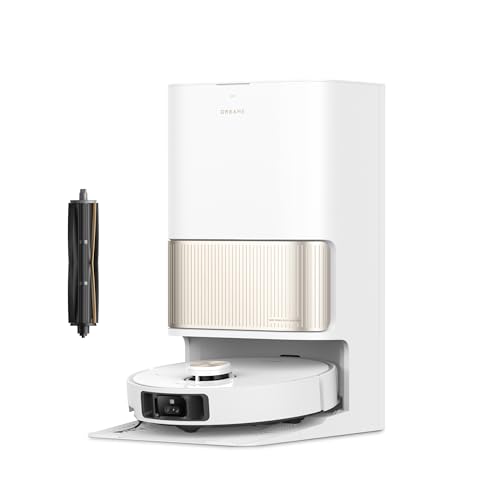
Brush design takes different approaches. The L10s Ultra Gen 3 employs a SimpleCut brush, whilst both L40 models use TriCut 3.0 technology combining bristles with cutting blades to reduce hair tangles. The L40 Ultra goes further with an elevating main brush that lifts during mopping to prevent cross-contamination—a feature absent on the other two models. This matters when transitioning between carpets and hard floors.
Side brush functionality varies considerably. The L40 Ultra features both elevation and anti-tangle design alongside extension for corners. The L10s Ultra Gen 3 includes the extendable side brush but lacks elevation or anti-tangle properties. The L40 Ultra AE offers neither extension nor elevation, making it less effective at edge cleaning. In practice, the L40 Ultra sweeps corners more thoroughly and avoids dragging the side brush across wet floors during mopping.
Mopping System
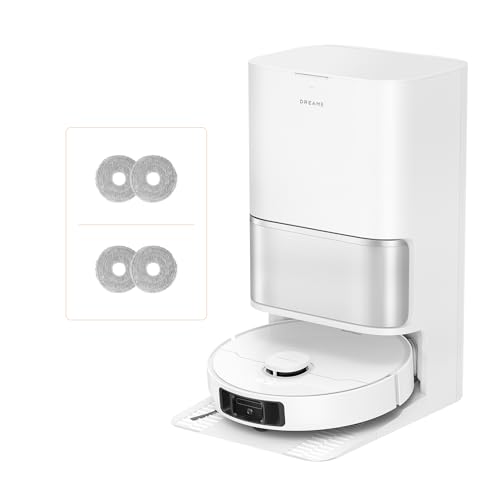
All three robots use dual rotating mops with 10.5mm elevation and the Roboswing system, which creates a swaying motion to reach slightly under furniture edges. The mop extension feature appears across the range, helping tackle skirting boards more effectively.
Where they diverge is in intelligence and convenience. The L40 Ultra can automatically remove its mops at the base when switching to vacuuming-only mode—something neither the L10s Ultra Gen 3 nor L40 Ultra AE can do. Both L40 models detect dirt on mops and floors, triggering additional cleaning passes or mop washes when needed. The L10s Ultra Gen 3 lacks this dirt detection entirely, relying on preset cleaning patterns regardless of actual floor condition.
The base stations wash mops with hot water at 65°C and dry them using hot air at 55°C across all three models. The L10s Ultra Gen 3 features third-generation automatic tray cleaning, whilst both L40 models use the second generation. This incremental improvement helps maintain hygiene with less manual intervention. Each base holds 4.5 litres of clean water and 4 litres of dirty water, with a detergent dispenser included.
Navigation System
Navigation philosophy differs substantially. The L10s Ultra Gen 3 relies on LiDAR mapping and a front-facing 3D laser sensor without any camera, making it effective at spatial mapping but less capable of identifying specific objects. It recognises pets but cannot distinguish between different obstacle types.
The L40 Ultra incorporates dual AI cameras alongside LiDAR, recognising 100 different obstacles and featuring LED night vision for low-light operation. Remote camera access lets you check on your home through the robot. The AI Sage 11.0 algorithm processes visual data to identify stains and adjust cleaning intensity accordingly. Curtain detection prevents the robot from becoming entangled in hanging fabrics.
The L40 Ultra AE sits between these extremes with a single camera recognising 120 obstacles—actually more categories than the L40 Ultra—plus LED lighting and remote access. However, it lacks curtain detection and stain recognition AI. For households with complex floor layouts or many obstacles, the visual intelligence of the L40 models provides smoother operation with fewer interventions.
Battery Life and Coverage
All three models share the same 5,200 mAh battery capacity, yet runtime differs. The L10s Ultra Gen 3 achieves 231 minutes of operation, substantially longer than the L40 Ultra's 194 minutes. The L40 Ultra AE doesn't specify autonomy figures. This extended runtime on the L10s Ultra Gen 3 likely results from its simpler sensor array consuming less power, making it better suited to larger homes requiring single-session cleaning.
Smart Features
Obstacle climbing capability reaches 22mm on the L40 Ultra compared to 20mm on both the L10s Ultra Gen 3 and L40 Ultra AE. Whilst seemingly minor, that extra 2mm can mean the difference between mounting thick rugs or getting stuck.
The L40 Ultra includes a built-in voice assistant, allowing direct voice commands without external smart speakers. The other two models support Alexa and Google Home but lack their own voice interface. This integration appeals to users preferring streamlined control without additional devices.
None of these models feature robotic arms or UV disinfection, keeping the focus on core cleaning performance rather than experimental features.
Multifunctional Base Station
Base functionality remains largely consistent across the range. All three automatically empty the robot's dustbin into a 3.2-litre bag, wash mops with 65°C water, and dry them using 55°C hot air. Each includes a detergent dispenser and offers an optional plumbing connection kit sold separately—useful for those wanting permanent water supply, though not essential for most users.
The key distinction lies in tray maintenance. The L10s Ultra Gen 3's third-generation self-cleaning system represents an improvement over the second-generation technology in both L40 models, potentially requiring less frequent manual cleaning of the washing basin.
Physical Dimensions
Robot height varies between the L10s Ultra Gen 3 and L40 Ultra AE at 97mm versus the L40 Ultra at 103.8mm. That 6.8mm difference affects clearance under low furniture like sofas or bed frames. For homes with tight spaces, the slimmer profile of the L10s Ultra Gen 3 and L40 Ultra AE provides better access.
All three measure 350mm in diameter, standard for this class of robot. The bases are nearly identical in footprint: 340mm wide, around 590mm tall, and approximately 457mm deep. You'll need similar floor space regardless of which model you choose.
Dust bin capacity inside the robots measures 300ml for the L10s Ultra Gen 3 and L40 Ultra, whilst the L40 Ultra AE offers a larger 395ml container. This means slightly fewer trips to the base during cleaning sessions, though with automatic emptying, the practical impact remains minimal. Water tanks hold 80ml across all models.
Real-World Usage Scenarios
For large homes, the L10s Ultra Gen 3's 231-minute runtime and exceptional 25,000 Pa suction make it the most capable choice. Its simplified brush system requires less maintenance, though you'll miss the advanced obstacle avoidance of camera-equipped models. The extended battery life means completing entire floor levels without recharging.
Households with pets benefit most from the L40 Ultra's combination of strong obstacle recognition, elevating brushes to avoid spreading debris, and dirt detection that triggers extra cleaning passes on soiled areas. The TriCut 3.0 brush handles pet hair better than the SimpleCut design, and the ability to automatically remove mops prevents dragging dirty pads across clean floors.
The L40 Ultra AE targets users wanting visual navigation and dirt detection without paying for dual cameras or voice assistants. Its 19,000 Pa suction handles most situations adequately, and the 97mm height matches the L10s Ultra Gen 3 for fitting under furniture. The larger 395ml dustbin provides a slight edge for debris capacity.
Homes with minimal obstacles might not fully utilise the L40 models' advanced AI, making the L10s Ultra Gen 3's superior suction and battery life more valuable. Conversely, cluttered spaces with toys, shoes, or multiple rooms benefit enormously from the visual intelligence that prevents stuck robots and failed cleaning runs.
Conclusion: Which to Choose?
Choose the Dreame L10s Ultra Gen 3 if maximum suction power and extended battery life matter most. Its 25,000 Pa performance excels on carpets and with embedded dirt, whilst 231 minutes of runtime suits larger properties. The third-generation base tray cleaning reduces maintenance. Best for straightforward floor plans where raw cleaning power outweighs advanced obstacle detection, or for users wanting the latest release with proven performance.
Choose the Dreame L40 Ultra if you need comprehensive smart features and have a complex home layout. Dual cameras, 100 obstacle types, curtain detection, remote viewing, and built-in voice control create the most autonomous experience. Automatic mop removal and stain recognition optimise cleaning without manual intervention. The elevating main and side brushes prevent cross-contamination between surfaces. Ideal for tech-focused households, those with pets, or anyone wanting minimal supervision despite lower suction figures.
Choose the Dreame L40 Ultra AE if you want a middle ground between price and capability. It offers visual navigation with 120 obstacle categories, LED lighting, and dirt detection at presumably lower cost than the L40 Ultra. The 19,000 Pa suction provides solid performance, and the 97mm height fits under more furniture. Suitable for medium-sized homes wanting smarter navigation than the L10s Ultra Gen 3 without every premium feature of the L40 Ultra.