Introduction
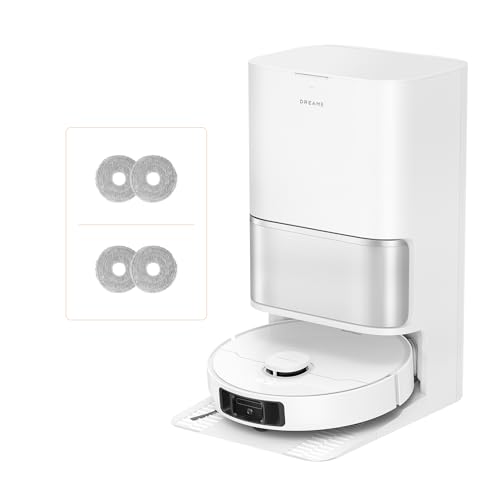
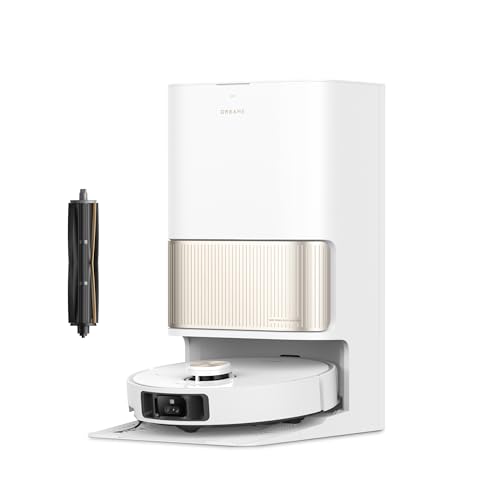
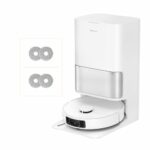
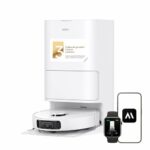
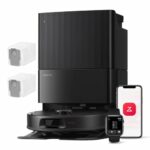
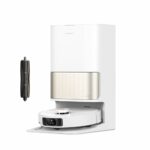
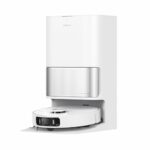
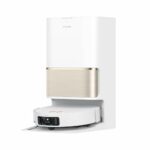
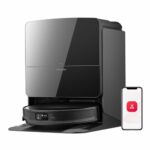
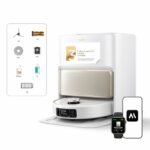
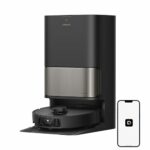
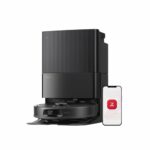
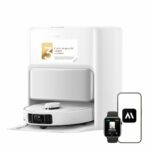
The Dreame L10s Ultra Gen 3 and Dreame L40 Ultra represent two distinct approaches within the brand's premium robot vacuum range. The L10s Ultra Gen 3 launched in November 2025 as the latest iteration, whilst the L40 Ultra arrived in 2024 with a more feature-rich specification. Both models come equipped with multifunctional bases that handle automatic emptying, mop washing, and drying, positioning them as complete cleaning solutions for households seeking minimal intervention.
These aren't entry-level devices. Each model targets users who want comprehensive floor care without constant maintenance. The key question becomes whether the newer L10s Ultra Gen 3's improvements justify its position, or if the L40 Ultra's additional intelligent features make it the more capable choice for demanding environments.
Key Differences at a Glance
- The L10s Ultra Gen 3 delivers 25,000 Pa suction versus 11,000 Pa on the L40 Ultra
- The L40 Ultra features dual AI cameras; the L10s Ultra Gen 3 has none
- Only the L40 Ultra can lift its main and side brushes during mopping
- The L40 Ultra washes mops with hot water; the L10s Ultra Gen 3 uses cold water
- The L40 Ultra automatically removes mops at the base for vacuum-only sessions
- The L40 Ultra includes dirt detection on both mops and floors
- The L10s Ultra Gen 3 sits lower at 97 mm versus 103.8 mm
- The L40 Ultra recognises 100 obstacles and includes LED night vision
- Only the L40 Ultra offers remote camera access and its own voice assistant
Power and Suction
The suction power difference stands out immediately. At 25,000 Pa, the L10s Ultra Gen 3 delivers more than double the raw power of the L40 Ultra's 11,000 Pa. In practical terms, this translates to superior performance on carpets and rugs, better extraction from crevices, and more effective pickup of embedded debris. For homes with thick pile carpets or pets that shed heavily, this advantage becomes significant.
The brushing systems differ considerably. The L10s Ultra Gen 3 uses a simple brush design, whilst the L40 Ultra employs the TriCut 3.0 system that combines bristles with cutting blades to reduce hair tangles. This matters for households with long-haired occupants or pets, where maintenance frequency can become tedious.
Where the L40 Ultra gains ground is in brush management during mopping. It can elevate both the main brush and side brush when the mops are deployed, preventing wet brushes from spreading dirty water or leaving damp streaks on hard floors. The L10s Ultra Gen 3 lacks this capability entirely. The L40 Ultra also features an anti-tangle side brush, further reducing the need for manual intervention.
Both models include an extendable side brush for improved edge cleaning, which helps reach into corners more effectively than fixed designs.
Mopping Performance
Both robots use dual rotating mops with extension capabilities and the RoboSwing movement system, allowing them to reach into edges and under slight overhangs. Mop elevation sits at 10.5 mm for each model, sufficient for low-pile rugs but not high enough for thicker carpets.
The base washing systems reveal a meaningful difference. The L40 Ultra heats water for mop cleaning, which helps break down grease and dried-on marks more effectively than the cold water system in the L10s Ultra Gen 3. This becomes particularly relevant in kitchens or high-traffic areas where sticky residues accumulate.
Both bases dry the mops using heated air, preventing odours and bacterial growth between cleaning sessions. Each station also includes a detergent dispenser and a third-generation self-cleaning tray system, though the L10s Ultra Gen 3 claims a newer iteration of this technology.
The L40 Ultra introduces dirt detection for both mops and floor surfaces, allowing it to identify heavily soiled areas and adjust cleaning intensity accordingly. It can also automatically remove its mops at the base when switching to vacuum-only mode, something the L10s Ultra Gen 3 cannot do. For homes with mixed flooring, this automation reduces manual intervention.
Navigation System
Both models use a 3D LiDAR turret for mapping and navigation, supplemented by frontal 3D laser sensors for obstacle detection. They recognise pets and adjust behaviour accordingly, useful for avoiding food bowls or sleeping animals.
The L40 Ultra extends its capabilities with dual AI cameras that enable it to identify up to 100 different obstacle types. It can detect curtains and avoid becoming entangled, and its LED night vision allows effective navigation in dark rooms. Remote camera access means you can check on your home through the robot's viewpoint, adding a security dimension beyond cleaning.
The L10s Ultra Gen 3 operates without cameras, relying purely on laser-based sensing. This simplifies privacy concerns but limits its ability to distinguish between object types. The number of recognisable obstacles remains unspecified for this model.
Both systems run CleanGenius AI for intelligent cleaning patterns, though the L40 Ultra specifies its AI Sage 11.0 Qualcomm processor. The L40 Ultra also includes AI-based stain recognition, allowing targeted treatment of specific marks.
Battery and Autonomy
Each model carries a 5,200 mAh battery, but runtime differs. The L10s Ultra Gen 3 achieves 231 minutes of operation compared to 194 minutes for the L40 Ultra. The higher suction power of the L10s Ultra Gen 3 doesn't appear to compromise its efficiency, suggesting improved power management or more economical motor design.
For larger homes, the extended runtime provides more flexibility to complete full cleans without returning to base mid-session. Neither manufacturer specifies maximum coverage area in the provided data, but the autonomy figures suggest both can handle substantial floor plans.
Intelligent Features
The L10s Ultra Gen 3 can climb obstacles up to 20 mm, whilst the L40 Ultra manages 22 mm. The difference is marginal but could matter for certain door thresholds or floor transitions.
The L40 Ultra includes its own voice assistant, allowing direct interaction without relying on external smart home systems. Both models support Alexa and Google Home integration for those preferring established ecosystems.
Multifunctional Base Station
Both bases share the same fundamental specifications: 3.2-litre dust bags, 4.5-litre clean water tanks, and 4-litre dirty water tanks. These capacities suit extended autonomous operation, with dust bags lasting weeks and water tanks handling multiple mopping sessions.
Each station offers an optional connection kit for plumbing integration, purchased separately. This isn't a built-in feature, so it shouldn't heavily influence the decision unless you're certain you'll install it.
The bases measure nearly identically, with the L40 Ultra's station sitting fractionally taller and the L10s Ultra Gen 3's base slightly deeper. Neither difference affects practical placement.
Dimensions
Both robots share a 350 mm diameter and similar footprints, but height varies. The L10s Ultra Gen 3 measures 97 mm tall, whilst the L40 Ultra stands at 103.8 mm. That 6.8 mm difference expands clearance options for the newer model, potentially allowing it to clean under furniture where the L40 Ultra cannot reach.
For homes with low-clearance sofas, beds, or cabinets, this seemingly small difference can determine which areas receive regular cleaning versus requiring manual intervention.
Real-World Usage Scenarios
The L10s Ultra Gen 3 suits households prioritising raw cleaning power and furniture clearance. Its exceptional suction handles deep carpet cleaning effectively, whilst its lower profile accesses more spaces. The simpler brush system requires more frequent maintenance in homes with long hair, but the extended battery life supports larger floor plans.
The L40 Ultra targets users wanting comprehensive automation and intelligent adaptation. Its camera-based obstacle recognition, dirt detection, and automatic mop removal reduce the need for manual adjustments. The hot water mop washing delivers superior results on stubborn marks, particularly valuable in kitchens. Homes with complex layouts, numerous obstacles, or varied flooring types benefit from its advanced sensing.
For pet owners, the choice depends on priorities. The L10s Ultra Gen 3's superior suction extracts embedded fur more effectively, but the L40 Ultra's TriCut brush and anti-tangle side brush reduce hair-related maintenance. Both recognise pets, though the L40 Ultra's cameras provide more sophisticated avoidance.
Conclusion: Which Should You Choose?
Choose the Dreame L10s Ultra Gen 3 if you need maximum suction power for thick carpets or embedded dirt, want the lowest profile for cleaning under furniture, or prefer longer battery life for extensive floor areas. It's also the better option if you're unconcerned about camera-based features or don't mind slightly more hands-on brush maintenance.
Choose the Dreame L40 Ultra if you want the most intelligent obstacle recognition, value hot water mop washing for stubborn marks, need automatic mop removal for mixed-floor homes, or appreciate remote camera access. It's particularly suited to complex layouts with numerous obstacles, homes requiring minimal manual intervention, or users who prefer anti-tangle brushes despite lower suction specifications.
The L10s Ultra Gen 3 delivers brute force and efficiency. The L40 Ultra provides sophistication and adaptability. Your home's specific demands will determine which approach serves you better.