Introduction
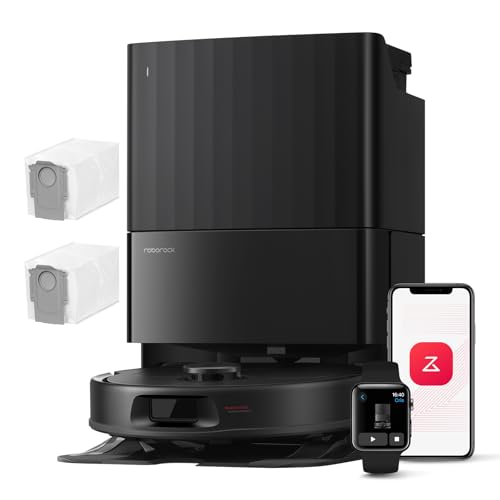
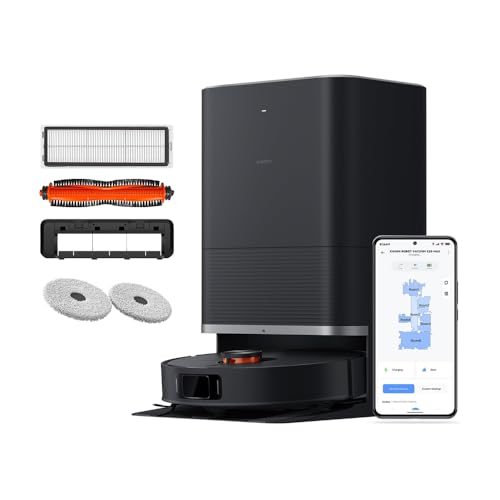
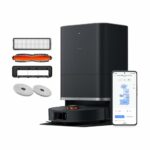
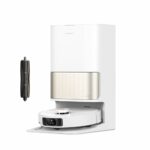
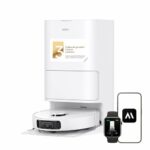
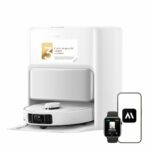
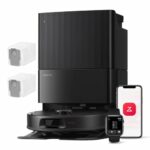
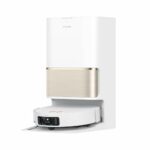
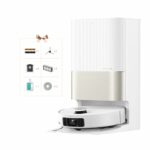
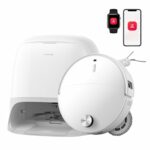
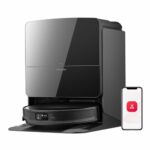
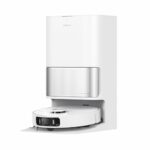
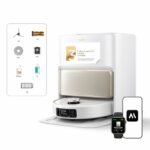
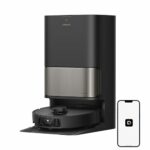
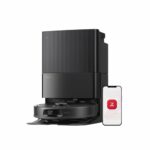
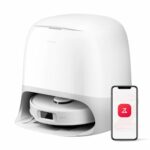
The Dreame L10s Ultra Gen 2, Roborock QV 35A, and Xiaomi X20 Max represent three compelling options in the premium robot vacuum segment, each launched between 2024 and 2025. All three models feature multifunction bases with automatic emptying, mop washing, and drying capabilities, positioning them as comprehensive cleaning solutions for modern homes. The Dreame and Xiaomi models arrived in 2024, whilst the Roborock QV 35A is a 2025 release, bringing fresh competition to this category.
These aren't entry-level machines. Each unit combines vacuuming and mopping with substantial automation through their docking stations, making them suitable for households seeking minimal intervention in their cleaning routines. The differences lie in specific technical implementations and feature sets that can significantly affect real-world performance.
Key Differences at a Glance
- The Dreame L10s Ultra Gen 2 delivers 10,000 Pa suction versus 8,000 Pa in the Roborock and Xiaomi
- Battery runtime varies considerably: 240 minutes for Dreame, 180 for Roborock, just 120 for Xiaomi
- Only the Roborock QV 35A features an anti-tangle side brush
- Dreame includes mop extension with Roboswing movement; Xiaomi has extension but no Roboswing; Roborock lacks both
- Mop lift height reaches 10.5 mm on the Dreame versus 10 mm on competitors
- Dreame provides a detergent tank in the base, absent from the other two
- Base storage capacity favours Dreame: 3.2-litre dust bag, 4.5-litre clean water, 4-litre dirty water
- Dreame and Xiaomi include 3D laser sensors; Roborock does not
- Only Dreame recognises pets; only Xiaomi offers LED night vision
- Dreame offers an optional plumbing connection kit
Suction Power and Brush Systems
The Dreame L10s Ultra Gen 2 stands out immediately with 10,000 Pa suction power, a meaningful advantage over the 8,000 Pa offered by both the Roborock QV 35A and Xiaomi X20 Max. This extra power translates directly into better deep cleaning performance on carpets and more effective pickup of embedded debris.
Brush configurations reveal interesting choices. The Dreame employs a SimpliCut main roller, as does the Roborock, whilst the Xiaomi X20 Max uses the TriCut 3.0 system that combines bristles with cutting blades to tackle hair tangles. None of these models lift their main brushes during mopping, which means you'll need to rely on mop elevation to protect carpets when wet cleaning is active.
The Roborock QV 35A distinguishes itself with an anti-tangle side brush, a practical feature for homes with long hair or pets. Neither the Dreame nor Xiaomi include this technology in their side brushes. None of the three models offer extensible or liftable side brushes, keeping the design relatively straightforward in this area.
Mopping Performance
All three robots use dual rotating mop pads, but their edge-cleaning capabilities differ substantially. The Dreame L10s Ultra Gen 2 combines mop extension with Roboswing technology, allowing the robot to wiggle the mop slightly under furniture edges and into corners. The Xiaomi X20 Max includes mop extension but lacks the Roboswing movement. The Roborock QV 35A offers neither feature, which may limit its effectiveness along skirting boards and room perimeters.
Mop lift varies slightly: the Dreame achieves 10.5 mm elevation, whilst both the Roborock and Xiaomi manage 10 mm. That half-millimetre difference is marginal in practice, though the Dreame's extra clearance could help with certain low-pile rugs.
All three bases wash mops with cold water and dry them using hot air, which helps prevent odours and bacterial growth. However, none of these models automatically detach their mops at the base for vacuum-only sessions, nor do they detect dirt levels on mops or floors for adaptive cleaning. The mopping process remains effective but not as intelligent as some higher-end alternatives.
Navigation Systems
Each robot employs LiDAR navigation through a top-mounted turret, ensuring accurate mapping and efficient room coverage. Obstacle avoidance is present across all three, but the implementation details vary.
The Dreame L10s Ultra Gen 2 and Xiaomi X20 Max both feature 3D laser sensors at the front for enhanced obstacle detection, whilst the Roborock QV 35A relies on its standard avoidance system without this additional sensor. In practice, this means the Dreame and Xiaomi may navigate cluttered spaces with slightly more confidence.
Pet recognition appears only on the Dreame, which can identify animals and adjust behaviour accordingly. The Xiaomi X20 Max counters with LED night vision, useful for cleaning in darker conditions. The Roborock QV 35A includes neither feature, keeping its navigation focused on core functionality.
All three offer intelligent cleaning modes—CleanGenius on the Dreame, SmartPlan on the Roborock, and a proprietary system on the Xiaomi—but none provide remote camera access or specific curtain detection.
Battery Life and Runtime
Battery capacity is identical at 5,200 mAh across all three models, but runtime tells a different story. The Dreame L10s Ultra Gen 2 achieves 240 minutes of operation, making it suitable for larger homes or extended cleaning sessions. The Roborock QV 35A manages 180 minutes, whilst the Xiaomi X20 Max trails at just 120 minutes.
That 120-minute runtime on the Xiaomi could prove limiting in homes exceeding 100 square metres, particularly when mopping requires multiple trips to the base for mop washing. The Dreame's four-hour potential offers considerably more flexibility, especially in multi-level homes where you might relocate the robot between floors.
Smart Features
All three robots can climb obstacles up to 20 mm high, handling typical door thresholds and carpet edges without difficulty. This capability is standard across the range and works reliably in everyday scenarios.
Voice assistant compatibility extends to Alexa and Google Home on all models, allowing basic voice control integration into smart home ecosystems. None of these robots include proprietary voice assistants or robotic arms for advanced object manipulation.
Multifunction Base Capabilities
The bases handle automatic dust emptying, mop washing with cold water, and hot air drying across all three models. Storage capacity favours the Dreame L10s Ultra Gen 2, which provides a 3.2-litre dust bag compared to 2.7 litres on the Roborock QV 35A and 2.5 litres on the Xiaomi X20 Max. For clean water, the Dreame holds 4.5 litres versus 4 litres on both competitors. Dirty water capacity is 4 litres for Dreame, 3.5 for Roborock, and 3.8 for Xiaomi.
These differences matter for maintenance frequency. Larger capacities mean fewer trips to empty dirty water or refill clean water, particularly valuable during weekly cleaning routines in medium to large homes.
Only the Dreame includes a detergent dispenser in the base, automatically adding cleaning solution during mop washing. This feature is absent from both the Roborock and Xiaomi, requiring manual detergent addition if desired. The Dreame also offers an optional plumbing connection kit, purchased separately, which allows permanent water supply and drainage connections for truly hands-off operation over extended periods.
None of these bases include automatic tray self-cleaning, UV disinfection, or integrated plumbing connections as standard features.
Physical Dimensions
Robot dimensions are remarkably similar. The Dreame and Xiaomi measure 350 mm in diameter with 97 mm height, whilst the Roborock is marginally wider at 353 mm and slightly lower at 96.5 mm. That half-millimetre height reduction on the Roborock is functionally irrelevant; all three should fit under furniture with similar clearance requirements.
Base dimensions vary more noticeably. All three measure 340 mm wide, but height differs: the Roborock stands shortest at 521 mm, the Xiaomi reaches 563 mm, and the Dreame towers at 590.5 mm. Depth measurements also vary: the Xiaomi is most compact at 420 mm deep, the Dreame extends to 456.7 mm, and the Roborock requires 487 mm.
If you're placing the base in a tight alcove or under a counter, these measurements become important. The Roborock's lower profile might fit where the Dreame won't, whilst the Xiaomi's shallower depth could suit narrower spaces.
Real-World Usage Scenarios
For larger homes, the Dreame L10s Ultra Gen 2 presents clear advantages. Its 240-minute runtime, 10,000 Pa suction, and generous base capacities reduce intervention frequency. The detergent dispenser and Roboswing mopping enhance cleaning thoroughness, whilst pet recognition adds value for animal owners. The optional plumbing kit suits those wanting maximum automation, though it requires additional investment and installation.
The Roborock QV 35A balances performance with a more compact base footprint. Its anti-tangle side brush benefits homes with long hair, and the 180-minute runtime suffices for most properties under 150 square metres. The SmartPlan intelligent cleaning and Roborock's reputation for reliable app performance make this a solid all-rounder, even without some of Dreame's extras.
The Xiaomi X20 Max offers competitive features including mop extension and LED night vision at what's typically a keener price point. However, the 120-minute runtime constrains its suitability to smaller homes or those willing to accept mid-clean recharging. The TriCut 3.0 brush helps with hair management, and the compact base depth suits tighter installation spaces.
All three handle hard floors, tiles, and low-pile carpets effectively given their mop-lift capabilities. Pet owners should weigh the Dreame's recognition features and Roborock's anti-tangle brush against their specific needs.
Conclusion: Which One to Choose?
Choose the Dreame L10s Ultra Gen 2 if you have a large home requiring extended runtime, want maximum suction power for deep carpet cleaning, value the convenience of automatic detergent dispensing, or live with pets that benefit from recognition technology. The Roboswing mopping and mop extension deliver superior edge cleaning. Consider the plumbing kit if you're seeking near-total automation and don't mind the additional cost.
Choose the Roborock QV 35A if you prioritise a compact base that fits tighter spaces, deal with significant hair tangles that benefit from the anti-tangle side brush, or want the reliability associated with Roborock's established ecosystem. The 180-minute runtime suits most homes, and the SmartPlan system offers intelligent cleaning without unnecessary complications.
Choose the Xiaomi X20 Max if you have a smaller property where 120-minute runtime suffices, need a shallow-depth base for space-constrained installations, or value LED night vision for cleaning in darker conditions. The TriCut 3.0 brush handles hair reasonably well, and mop extension improves edge coverage. This model typically offers competitive pricing, making it attractive for budget-conscious buyers who don't need marathon runtime.