Introduction
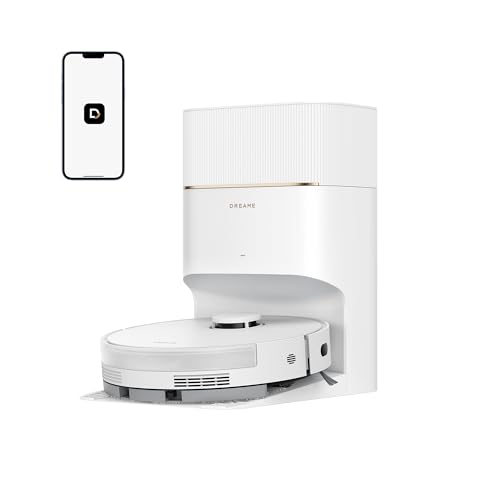
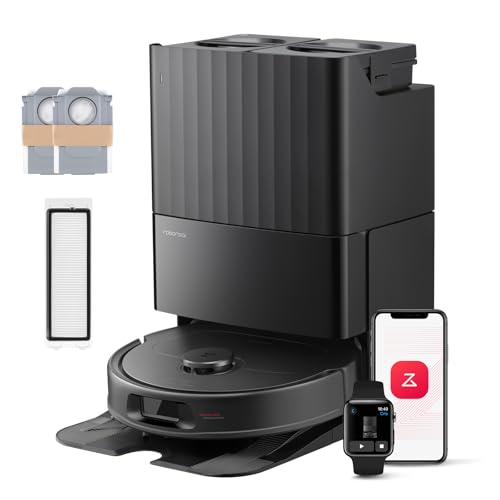
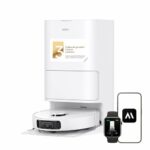
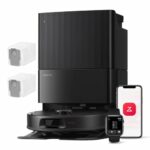
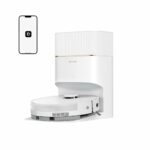
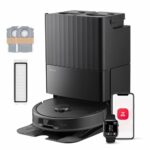
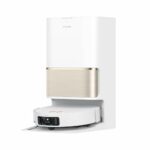
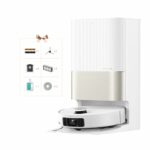
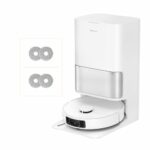
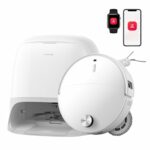
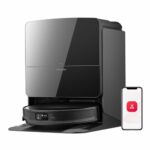
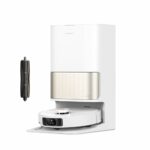
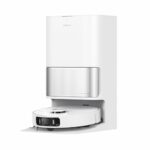
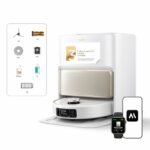
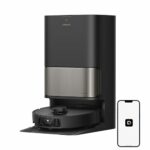
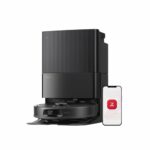
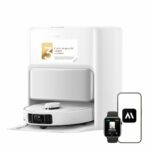
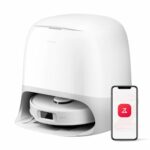
The Dreame D20 Pro Plus and Roborock QV 35S represent two 2025 releases that approach cleaning automation from different perspectives. Whilst Dreame has focused on delivering raw power and extended runtime with a simpler base station, Roborock has opted for a complete maintenance solution with their multifunctional base. The Dreame model stands out with its 13,000 Pa suction and impressive 285-minute autonomy, positioning itself as a workhorse for larger properties. The Roborock QV 35S, meanwhile, delivers 10,000 Pa suction alongside rotating mops and a base that handles both dust disposal and mop maintenance. These are robots designed for different priorities: one emphasises cleaning stamina and vacuuming prowess, the other offers hands-off convenience with proper mopping capabilities.
Differences at a Glance
- The Dreame D20 Pro Plus delivers 13,000 Pa suction versus 10,000 Pa on the Roborock QV 35S
- Autonomy reaches 285 minutes with the Dreame, compared to 180 minutes for the Roborock
- Dreame employs a double HyperStream brush system; Roborock uses a single traditional brush
- Roborock features rotating mops with 10 mm lift; Dreame uses a static mop without elevation
- Only the Roborock base washes and dries mops; Dreame's base handles dust only
- Dreame includes an extendable side brush; Roborock's remains fixed
- Dreame integrates a 3D laser sensor; Roborock relies on SmartPlan 1.0 intelligence
- Dust bag capacity is 5 litres with Dreame versus 2.7 litres with Roborock
Power and Vacuuming Performance
The Dreame D20 Pro Plus pushes suction to 13,000 Pa, which translates to noticeably stronger pick-up on carpets and rugs. This becomes particularly relevant in homes with pets or high-traffic areas where embedded dirt accumulates. The Roborock QV 35S offers 10,000 Pa, still respectable and sufficient for most hard floors and low-pile carpets, but the gap becomes apparent when dealing with thicker textiles or stubborn debris.
Brush design differs fundamentally between these models. Dreame's double HyperStream brush configuration reduces hair tangling through its twin-roller design, each anchored at one end. This setup proves especially useful for households with long-haired residents or shedding pets. The Roborock employs a single traditional brush, which performs reliably but requires more frequent maintenance to clear wrapped hair.
The Dreame includes an extendable side brush that reaches further into corners and along skirting boards. In practice, this means better edge coverage during the cleaning cycle. Roborock's fixed side brush still sweeps effectively, though it won't achieve quite the same thoroughness along room perimeters. Both models feature anti-tangle technology on their side brushes, which helps prevent hair build-up on these components.
Mopping Systems
Here the Roborock QV 35S takes a clear lead. Its dual rotating mops actively scrub floors rather than simply dragging a damp pad across surfaces. The mops lift 10 mm when the robot detects carpet, protecting textiles from unwanted moisture. After each mopping session, the base washes these mops with cold water and dries them using cold air circulation, preventing odours and bacterial growth.
The Dreame D20 Pro Plus uses a static mop without any lifting mechanism. This means you'll need to manually remove the pad before vacuuming carpeted areas, and the mop itself requires hand washing. The mopping function here serves more as a light maintenance tool rather than a proper floor-washing solution. For homes prioritising mopping performance, this represents a significant limitation.
Both systems use cold water for mopping operations. The Roborock's base holds 4 litres of clean water and 3.5 litres for dirty water, supporting extended mopping sessions without manual refilling. The Dreame robot carries 350 ml in its onboard tank versus just 80 ml in the Roborock, though this matters less given the Roborock returns to base for mop cleaning during longer jobs.
Navigation Systems
Both robots navigate using 3D LiDAR towers, creating accurate floor plans and efficient cleaning routes. The Dreame D20 Pro Plus adds a frontal 3D laser sensor for enhanced obstacle detection, providing an extra layer of awareness when approaching furniture legs, cables, or scattered items. The Roborock QV 35S compensates with SmartPlan 1.0 intelligence, which optimises cleaning patterns based on room layout and previous sessions.
Neither model includes a front-facing camera or AI-powered object recognition. This means they won't identify specific items like pet waste or distinguish between different types of obstacles. Both handle general obstacle avoidance competently through their sensor arrays, but don't expect the advanced object recognition found in premium models.
Battery Life and Coverage
The Dreame D20 Pro Plus excels with 285 minutes of runtime from its 5,200 mAh battery. This extended autonomy suits larger properties or thorough whole-home cleaning sessions without interruption. The Roborock QV 35S shares the same battery capacity but achieves 180 minutes of operation. The difference likely stems from the energy demands of rotating mops and more frequent base returns for mop maintenance.
For homes exceeding 150 square metres, the Dreame's stamina provides greater assurance of completing the job in one go. Smaller properties won't notice the difference, as both robots recharge and resume cleaning automatically when needed.
Smart Features
Both models manage 20 mm obstacles, allowing them to traverse door thresholds and minor floor transitions without assistance. Voice control works through external assistants like Alexa and Google Home on both robots. Neither includes a proprietary voice assistant or robotic arm functionality.
The Roborock's SmartPlan 1.0 system learns from cleaning patterns and adjusts routes accordingly, whilst the Dreame relies on straightforward mapping without adaptive intelligence. In daily use, this manifests as slightly more refined cleaning sequences from the Roborock over time.
Multifunctional Base Station
The Roborock QV 35S includes a proper multifunctional base that automatically empties the robot's 330 ml dust bin into a 2.7-litre bag, washes both rotating mops with cold water, and dries them using cold air circulation. This transforms mopping from a hands-on chore into a genuinely automated task. The base handles dirty work for weeks at a stretch.
Dreame's base station focuses solely on dust disposal, emptying the robot's larger 500 ml bin into a substantial 5-litre bag. You'll go longer between bag changes, but mop maintenance remains entirely manual. The base measures 298 mm wide, 452 mm tall, and 440 mm deep, making it more compact than Roborock's 340 × 521 × 487 mm station. This size difference reflects the simpler functionality.
Neither base offers detergent dispensing, UV sterilisation, or plumbing connection options. These remain features of higher-tier models.
Physical Dimensions
The robots themselves measure nearly identically. The Dreame D20 Pro Plus stands 96.8 mm tall with a 350 mm diameter, whilst the Roborock QV 35S measures 96.5 mm high and 353 mm across. These minimal differences won't affect clearance under furniture in any meaningful way. Both should fit beneath standard sofas and bed frames.
Base station footprint matters more for placement planning. The Dreame's more compact base fits more easily into tighter spaces, whilst the Roborock's larger station reflects its additional water tanks and mop-washing mechanisms. Consider available floor space near power outlets when choosing between these models.
Real-World Usage
The Dreame D20 Pro Plus suits homes prioritising vacuuming performance and extended runtime. Its powerful suction and anti-tangle brushes handle pet hair effectively, whilst the 285-minute battery covers expansive floor plans without pause. The large dust bag capacity means infrequent maintenance. However, mopping remains basic, requiring manual intervention for pad washing. This robot makes sense for properties with mostly hard floors or low-pile carpets where vacuuming matters more than wet cleaning.
The Roborock QV 35S appeals to users wanting genuinely automated mopping alongside competent vacuuming. The rotating mops and self-maintaining base deliver proper floor washing without daily attention. Homes with extensive hard flooring benefit most from this approach. The shorter runtime matters less in typical-sized properties, and the smaller dust bag still provides reasonable capacity. Pet owners should note the traditional brush requires more frequent hair removal than Dreame's double-roller system.
Both robots manage mixed flooring and modest carpet transitions. Neither excels on thick-pile carpets, though the Dreame's superior suction gives it an edge. The Roborock's mop lift protects carpets during wet cleaning, whilst the Dreame requires manual pad removal before vacuuming textile floors.
Conclusion: Which Should You Choose?
Choose the Dreame D20 Pro Plus if: you need maximum suction power for carpets and pet hair, value extended runtime for larger homes, prefer a more compact base station, or don't prioritise automated mopping. The larger dust capacity and powerful vacuuming make this ideal for properties where floor washing takes a back seat to thorough dirt removal.
Choose the Roborock QV 35S if: proper mopping matters as much as vacuuming, you want minimal maintenance with automatic mop washing and drying, your home features mostly hard floors, or you value intelligent cleaning optimisation. The multifunctional base transforms this into a more complete cleaning solution for those willing to accept slightly less suction and shorter runtime.
Pet owners with shedding animals might lean towards the Dreame's anti-tangle brush system and powerful suction, whilst those juggling busy schedules with hard floors throughout will appreciate the Roborock's hands-off maintenance. Neither represents a wrong choice—they simply prioritise different aspects of automated cleaning.