Introduction
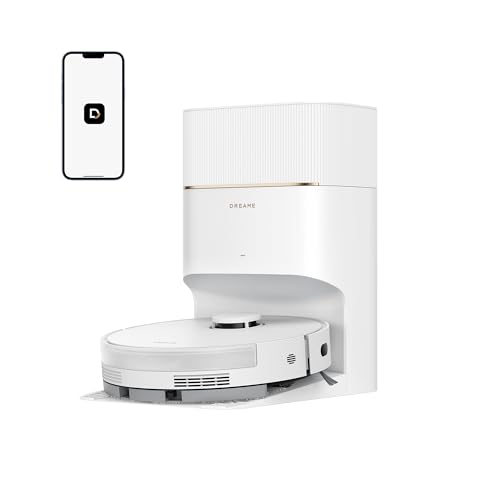
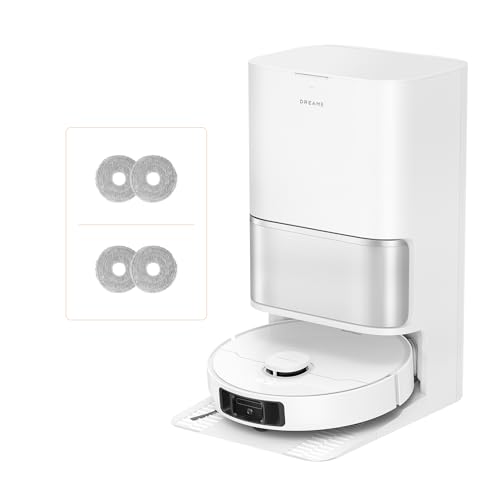
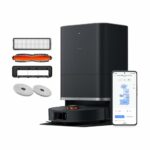
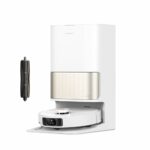
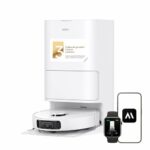
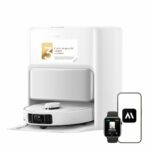
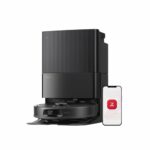
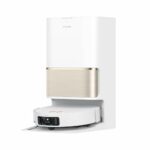
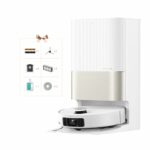
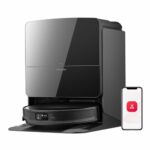
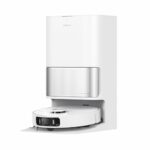
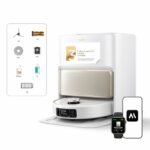
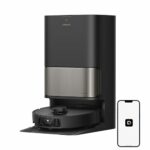
Dreame presents three distinct approaches to automated cleaning with these models. The D20 Pro Plus arrived in 2025 as a self-emptying solution with a unique dual-brush system, whilst the L10s Ultra Gen 2 from 2024 introduced a full multifunctional base with rotating mops. The L10s Ultra Gen 3, launched in November 2025, represents the latest evolution with significantly boosted suction power and third-generation base technology.
These aren't simply incremental updates. Each model targets different cleaning priorities: the D20 Pro Plus focuses on vacuuming performance with its dual-brush configuration, whilst the Gen 2 and Gen 3 versions of the L10s Ultra prioritise comprehensive floor washing capabilities. The choice between them depends largely on whether you need maximum vacuuming autonomy or a complete mopping solution.
Power and Vacuuming
The suction power hierarchy tells an interesting story. The D20 Pro Plus sits in the middle at 13,000 Pa, which proves adequate for most households. The L10s Ultra Gen 2 offers 10,000 Pa—the lowest here, though still competent for daily maintenance. Then comes the Gen 3 with a remarkable 25,000 Pa, nearly double the D20 Pro Plus and two-and-a-half times the Gen 2.
What sets the D20 Pro Plus apart is its dual-brush system, a configuration that increases debris collection area and proves particularly effective on hard floors. The L10s models employ single brushes, which simplifies maintenance but reduces coverage per pass. Neither model features brush lift during mopping, so all three keep their main brushes engaged regardless of cleaning mode.
The side brush configuration varies notably. The D20 Pro Plus includes both an extendable side brush and anti-tangle technology, making it well-suited for homes with long hair or pet fur. The Gen 2 lacks both features, whilst the Gen 3 regains the extendable function but drops the anti-tangle design. In practice, the extendable brush reaches further into corners, though the absence of anti-tangle technology on the Gen 3 might require more frequent maintenance in homes with pets.
Mopping
This is where the models diverge most significantly. The D20 Pro Plus uses a static mop system without any base washing capability—essentially a basic dampening approach suitable for light maintenance rather than serious floor cleaning. There's no mop extension, no lift function, and no washing station.
The L10s Ultra Gen 2 and Gen 3 operate in an entirely different category. Both feature dual rotating mops that can extend to reach edges and lift 10.5mm to avoid carpets. During cleaning cycles, they return to the base multiple times to wash the mops with cold water, ensuring relatively clean pads throughout the session. After completing the job, the mops get washed again and dried using hot air to prevent odours and bacterial growth.
The Gen 3 introduces third-generation self-cleaning for the washing tray itself, addressing a common complaint with earlier multifunctional bases where the cleaning station gradually accumulates grime. This feature keeps the entire system more hygienic over time. Both L10s models include detergent dispensers, though the D20 Pro Plus naturally lacks this given its simpler mopping approach.
For homes requiring genuine floor washing rather than basic damp mopping, the L10s models deliver substantially better results. The D20 Pro Plus handles light touch-ups but shouldn't be considered a proper mopping solution.
Navigation System
All three robots share the same foundational navigation technology: LiDAR turrets for mapping combined with frontal 3D laser sensors for obstacle detection. This ensures reliable room mapping and reasonably effective object avoidance across the range.
The distinction appears in AI-powered features. The D20 Pro Plus lacks pet recognition and CleanGenius AI functionality. The L10s Ultra Gen 2 and Gen 3 both recognise pets and employ CleanGenius AI to optimise cleaning patterns based on room usage and dirt levels. For households with animals, this means the L10s models can identify and navigate around pets more intelligently, reducing disturbances during cleaning cycles.
None of these models include front-facing cameras, LED lighting for night vision, or remote camera access. The navigation relies entirely on laser-based systems, which proves perfectly adequate for mapping but doesn't offer the visual object recognition found in some premium competitors.
Battery and Autonomy
Each robot houses an identical 5,200 mAh battery, yet runtime varies due to different power consumption profiles. The D20 Pro Plus achieves 285 minutes of operation—the longest here—likely benefiting from its moderate 13,000 Pa suction and simpler mopping system. The L10s Ultra Gen 2 manages 240 minutes, whilst the Gen 3 drops to 231 minutes, presumably because the 25,000 Pa suction demands more power.
In practical terms, the D20 Pro Plus can cover larger areas in a single session before requiring a recharge. This matters particularly in spacious homes where the robot might need to clean multiple rooms without interruption. The L10s models compensate with their multifunctional bases, which means they're docking regularly anyway to wash mops, making slightly shorter battery life less critical.
Smart Functions
All three models can climb obstacles up to 20mm high, handling standard door thresholds and low-pile carpet transitions without difficulty. This capability remains consistent across the range.
The CleanGenius AI present in the L10s Ultra Gen 2 and Gen 3 adapts cleaning intensity based on detected dirt levels and room types. In practice, this means the robots might increase suction in high-traffic areas or extend cleaning time in kitchens. The D20 Pro Plus operates without this intelligence, following more straightforward cleaning patterns.
None of these models feature robotic arms or proprietary voice assistants, though all three support external voice control through Alexa and Google Home.
Multifunctional Base
The D20 Pro Plus includes a self-emptying base only. It holds a generous 5-litre dust bag—larger than the L10s models—and handles debris disposal effectively, but offers no mopping support whatsoever. The base measures 298mm wide, 452mm tall, and 440mm deep, making it the most compact of the three.
The L10s Ultra Gen 2 and Gen 3 feature full multifunctional stations that transform the cleaning experience. Both hold 3.2-litre dust bags alongside 4.5-litre clean water tanks and 4-litre dirty water tanks. They wash mops with cold water and dry them using hot air. Detergent dispensers add cleaning solution during the mop washing cycles, improving floor cleaning results.
The Gen 3's third-generation self-cleaning tray represents a meaningful upgrade. Earlier multifunctional bases required occasional manual cleaning of the washing station itself; the Gen 3 automates this maintenance step. Both L10s models support optional plumbing connection kits (purchased separately), allowing continuous water supply and drainage for truly hands-off operation, though this requires installation.
The L10s bases measure 340mm wide, approximately 590mm tall, and 457mm deep—considerably larger than the D20 Pro Plus station, reflecting their expanded functionality.
Dimensions
Robot dimensions remain remarkably consistent. All three measure 350mm in diameter and hover around 97mm in height (the D20 Pro Plus at 96.8mm, both L10s at 97mm). This means they'll fit under furniture identically, with clearance required just shy of 10cm.
The base footprints differ more substantially. The D20 Pro Plus station occupies less floor space thanks to its simpler function, whilst the L10s bases demand more room to accommodate water tanks and washing mechanisms. If space is limited, the D20 Pro Plus offers a more compact solution.
Real-World Usage
The D20 Pro Plus suits homes prioritising vacuuming performance with minimal maintenance. The 5-litre dust bag means less frequent emptying, and the 285-minute runtime handles larger properties comfortably. The dual-brush system excels on hard floors, particularly in homes with debris accumulation. However, the basic mopping function limits its appeal for anyone wanting genuinely clean floors rather than cursory dampening.
For pet owners, the equation shifts. The D20 Pro Plus offers anti-tangle side brushes but lacks pet recognition. The L10s models recognise pets and navigate around them more thoughtfully, though the Gen 3 sacrifices anti-tangle technology. Homes with shedding animals might find the D20 Pro Plus easier to maintain despite less sophisticated navigation.
The L10s Ultra Gen 2 balances mopping capability with reasonable suction. At 10,000 Pa, it handles routine vacuuming adequately whilst delivering proper floor washing through its multifunctional base. It's well-suited to homes with hard floors requiring regular mopping, though the lower suction might struggle with deeply embedded carpet dirt.
The Gen 3 emerges as the performance leader with 25,000 Pa suction tackling carpets and stubborn debris more effectively. The third-generation self-cleaning tray reduces maintenance further, and the extendable side brush improves edge cleaning. The slightly shorter runtime matters less given frequent base returns for mop washing. This model fits homes wanting maximum cleaning power with comprehensive automation.
Conclusion: Which to Choose?
Choose the Dreame D20 Pro Plus if you prioritise vacuuming over mopping, have a larger home benefiting from extended runtime, or prefer a more compact base. The dual-brush system and anti-tangle side brush work well for hard floors and homes with hair accumulation. It's the most affordable option for those comfortable with basic mopping or who clean floors manually anyway.
Choose the Dreame L10s Ultra Gen 2 if you want proper mopping functionality without paying for the latest generation. The multifunctional base delivers genuine floor washing, and the 10,000 Pa suction proves sufficient for most households. Pet recognition adds value for animal owners, and the overall package offers comprehensive automation at a mid-range price point.
Choose the Dreame L10s Ultra Gen 3 if you want the complete package: powerful 25,000 Pa suction, advanced mopping with third-generation base technology, and minimal maintenance requirements. The self-cleaning tray addresses a common pain point, and the extendable side brush improves corner coverage. It's the best choice for demanding users who want maximum performance across both vacuuming and mopping, particularly in homes with varied flooring types and pets.