Introduction
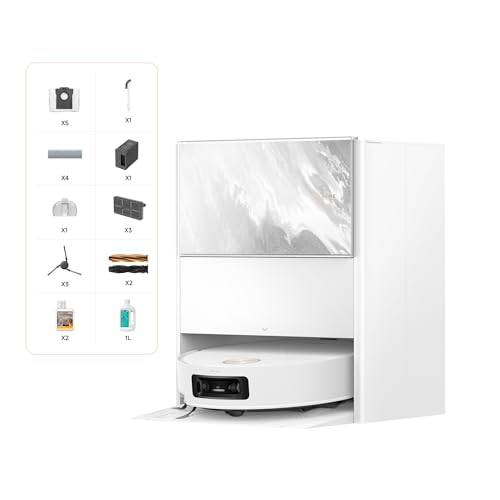
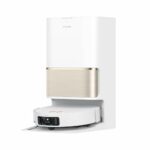
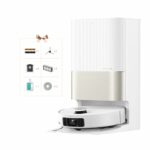
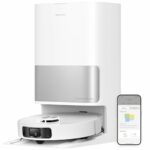
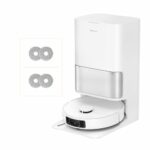
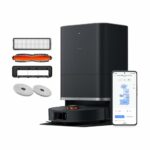
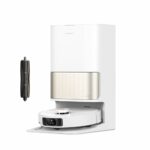
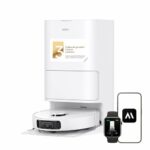
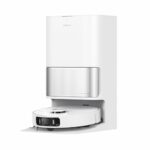
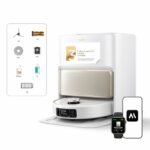
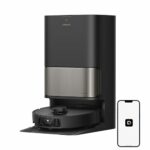
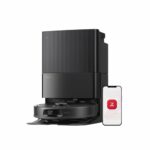
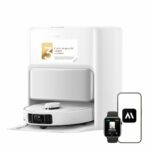
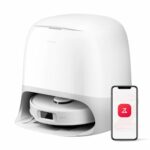
The Dreame Aqua10 Ultra Track Complete and the Dreame X50 Ultra Blanca represent two distinct approaches within Dreame's 2025 premium lineup. Whilst both feature comprehensive cleaning stations and advanced navigation systems, they differ significantly in their core cleaning methodology. The Aqua10 Ultra Track Complete employs a wide roller system for mopping, whilst the X50 Ultra Blanca uses the more conventional dual rotating mop design. These differences extend beyond just the mopping approach—from suction power to water heating capabilities, each model targets slightly different user priorities.
Both units come equipped with substantial 6,400 mAh batteries and multifunctional bases that handle automatic emptying, mop washing, and drying. They're designed for users seeking a genuinely hands-off cleaning experience, though the specific implementation of certain features varies between them.
Differences at a glance
- The Aqua10 Ultra Track Complete delivers 25,000 Pa suction versus 20,000 Pa on the X50 Ultra Blanca
- Mopping systems differ fundamentally: wide roller on the Aqua10 versus dual rotating mops on the X50
- The Aqua10 heats water to 40°C for floor mopping; the X50 uses cold water
- Only the X50 can automatically detach its mops at the base for vacuum-only sessions
- The X50 features third-generation automatic cleaning of the washing tray; the Aqua10 lacks this
- The Aqua10 includes a dual detergent system; the X50 has a single detergent tank
- Mop elevation reaches 7-17 mm on the Aqua10, compared to 10.5 mm on the X50
- The Aqua10 recognises 280 objects versus 200 on the X50
- Processing power differs: AI Sage 15.0 on the Aqua10, AI Sage 13.0 on the X50
- The Aqua10 stands 97.5 mm tall; the X50 measures 89 mm
- Base dimensions vary considerably, with the Aqua10's being wider but shorter
Suction and brushing performance
Suction power gives the Aqua10 Ultra Track Complete a clear advantage with 25,000 Pa compared to the X50's 20,000 Pa. That 5,000 Pa difference becomes noticeable when dealing with embedded dirt in carpets or particularly stubborn debris. For homes with thick rugs or pets that shed heavily, this extra power translates into more thorough cleaning in a single pass.
Both models feature Dreame's double HyperStream brush system, which uses twin counter-rotating elements anchored at one end. This design genuinely reduces hair tangles compared to traditional single-brush configurations. The brushes lift automatically during mopping on both units, preventing wet debris from being dragged across dry floors.
The side brush configuration matches across both models. Each has an extensible side brush that reaches into corners more effectively, and these brushes lift when mopping to avoid flinging water droplets. The anti-tangle design extends to the side brushes as well, making maintenance simpler for households with long hair or pets.
Mopping systems
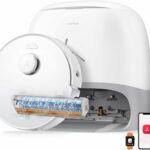
Here's where these two diverge most dramatically. The Aqua10 Ultra Track Complete uses a wide roller system measuring 180 mm across. This roller spins continuously and can extend to reach edges and corners. The X50 Ultra Blanca employs dual circular rotating mops that also extend for edge cleaning, with additional RoboSwing technology that creates a slight swaying motion to push the mop slightly under furniture edges.
The roller system on the Aqua10 maintains consistent contact with the floor and heats water to 40°C before it reaches the floor surface. This heated mopping helps dissolve grease and sticky residues more effectively than cold water alone. The X50 mops with cold water, which still achieves good results but won't tackle stubborn kitchen spills quite as thoroughly.
Mop elevation differs between the two. The Aqua10 lifts its roller between 7 and 17 mm depending on the surface detected, whilst the X50 raises its mops to 10.5 mm. Both heights clear low-pile rugs, though the Aqua10's maximum lift provides more clearance for thicker carpets. Only the X50 can automatically detach its mops entirely at the base, allowing it to vacuum without any mopping hardware attached—useful if you're running a vacuum-only session across multiple rooms.
Both stations wash their respective cleaning elements with hot water at the base. The Aqua10 dries its roller at 50°C, whilst the X50 dries with hot air without specifying the exact temperature. The X50 adds automatic cleaning of the washing tray itself using third-generation technology, keeping the base fresher over time. The Aqua10 includes dual detergent tanks, potentially allowing different cleaning solutions for different floor types, whereas the X50 has a single detergent reservoir.
Navigation and intelligence
Navigation hardware appears similar at first glance—both use retractable LiDAR, dual RGB cameras, and 3D laser sensors at the front. LED lighting enables navigation in dark rooms, and both offer remote camera access through the app. They detect pets, recognise curtains to avoid tangling, and navigate around obstacles autonomously.
The processing power tells a different story. The Aqua10 runs AI Sage 15.0 with octa-core processing, whilst the X50 uses AI Sage 13.0, also octa-core. This translates into the Aqua10 recognising 280 different objects compared to 200 on the X50. In practical terms, the Aqua10 makes slightly more nuanced decisions about what it encounters—distinguishing between more types of cables, toys, or furniture configurations.
Both employ CleanGenius AI for intelligent cleaning patterns and spot recognition. When either robot detects a dirty area, it adjusts its cleaning intensity automatically, making additional passes or increasing suction as needed.
Battery and autonomy
Battery capacity matches at 6,400 mAh for both models. The X50 Ultra Blanca specifies 180 minutes of runtime, whilst the Aqua10 doesn't list a specific duration. Given the identical battery capacity but higher suction power on the Aqua10, runtime likely sits slightly below the X50's three-hour mark when running at maximum power.
For most homes, either battery capacity proves more than sufficient. These aren't robots that struggle to complete a full-house clean before returning to recharge. The multifunctional bases also mean they can return mid-clean to wash mops or empty dust, then resume where they left off without depleting the battery unnecessarily.
Smart features
Both robots handle single-level obstacles up to 20 mm, stepping over door thresholds and carpet edges without assistance. Neither includes a robotic arm for object manipulation—they navigate around items rather than moving them aside.
Each model features its own voice assistant alongside compatibility with Alexa and Google Home. This allows basic voice commands directly to the robot without requiring a smart speaker, though integration with existing smart home ecosystems works seamlessly when preferred.
Cleaning station capabilities
The multifunctional bases handle the essential tasks of automatic dust emptying, mop washing, and mop drying. Both use 3.2-litre dust bags that last weeks between changes. Clean water tanks measure 4 litres on the Aqua10 and 4.5 litres on the X50, whilst dirty water tanks hold 3.5 and 4 litres respectively. These differences are marginal—both stations run for similar durations before requiring water changes.
UV disinfection features on both bases help keep the dust collection system hygienic. Optional connection kits for plumbing exist for both models, purchased separately, eliminating manual water tank refills for those willing to install the necessary plumbing.
The key distinction remains the X50's automatic washing tray cleaning, which the Aqua10 lacks. Over weeks of use, this keeps the base itself fresher and reduces manual maintenance requirements.
Physical dimensions
The X50 Ultra Blanca measures 89 mm tall, making it 8.5 mm lower than the Aqua10's 97.5 mm height. This seemingly small difference determines whether these robots fit under certain furniture. Sofas, bed frames, and cabinets with 90-95 mm clearance accommodate the X50 but not the Aqua10. Both share a 350 mm diameter.
Base dimensions diverge more noticeably. The Aqua10's station measures 420 mm wide, 500 mm tall, and 440 mm deep. The X50's base is narrower at 340 mm but taller at 590.5 mm and slightly deeper at 456.7 mm. The Aqua10's base suits spaces where width matters less than height—under counters or in wider cupboards. The X50's taller, narrower profile fits into tighter corner spaces.
Real-world usage considerations
For homes with extensive hard flooring and frequent spills, particularly in kitchens, the Aqua10's heated mopping and wide roller system deliver more thorough wet cleaning. The dual detergent system also allows customisation for different floor types across the home. Higher suction power benefits homes with pets or thick carpets where embedded fur and dirt require more aggressive extraction.
The X50 suits users prioritising low-profile access under furniture and those who value the convenience of automatic mop detachment for vacuum-only cleaning sessions. The self-cleaning washing tray reduces maintenance frequency, appealing to those seeking maximum automation. Its slightly larger water tanks mean marginally longer operation between refills, though the difference barely registers in practice.
Both handle pet hair effectively thanks to the HyperStream brush design. Both navigate complex floor plans intelligently and return to their bases for maintenance automatically. The choice between them hinges more on specific feature priorities than overall capability—both represent premium cleaning solutions within Dreame's 2025 range.
Conclusion: which to choose?
Choose the Dreame Aqua10 Ultra Track Complete if you want maximum suction power for deep carpet cleaning, prefer heated water mopping for tackling kitchen grease and sticky spills, or need the flexibility of dual detergent tanks for different floor types. The wider base dimensions work well if you have floor space but limited vertical clearance for the station. The roller mopping system appeals to those seeking consistent floor contact and thorough wet cleaning performance.
Choose the Dreame X50 Ultra Blanca if you need the robot to fit under low furniture—that 89 mm height opens up cleaning areas the Aqua10 can't reach. The automatic mop detachment proves valuable for households that frequently want vacuum-only operation without manual intervention. The self-cleaning washing tray reduces maintenance, and the narrower base fits better in tight spaces. If your home primarily has hard floors without heavy soiling, the cold-water mopping performs perfectly well whilst the traditional dual-mop system remains proven and reliable.
Both represent excellent choices within the premium robot aspirador segment for 2025, with the decision ultimately resting on whether you prioritise raw cleaning power and heated mopping or low-profile access and reduced maintenance requirements.