Introduction
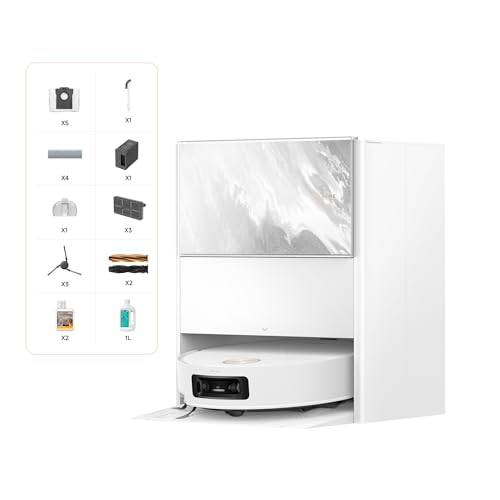
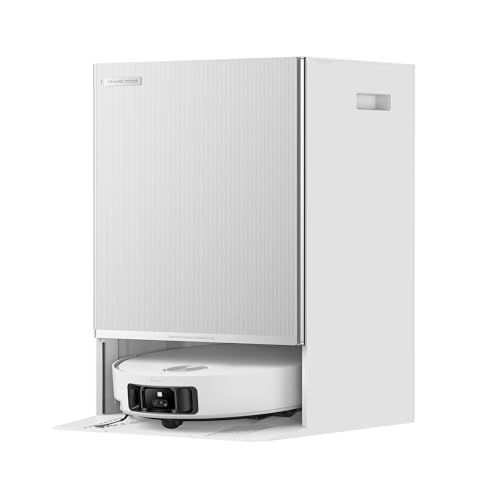
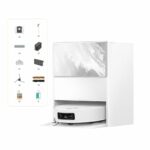
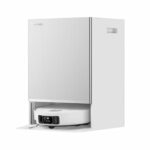
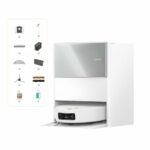
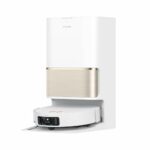
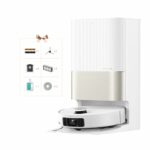
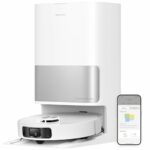
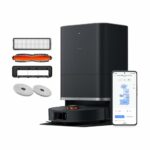
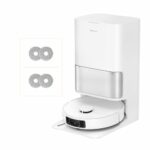
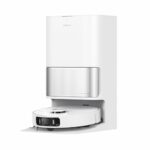
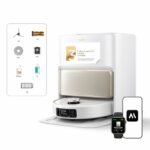
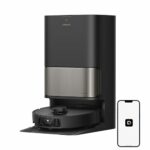
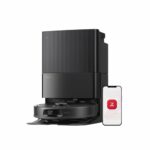
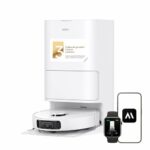
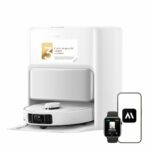
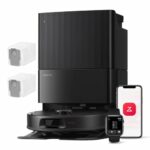
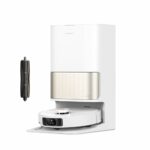
The Dreame Aqua10 Ultra Track Complete and the Dreame Matrix10 Ultra represent two of the brand's most advanced proposals for 2025. Both share cutting-edge technology, but each takes a different approach to solving the same challenge: achieving truly autonomous cleaning in modern homes.
The Aqua10 Ultra Track Complete stands out for its innovative wide rotating roller system, whilst the Matrix10 Ultra opts for dual rotating mops with an automatic changing system. These aren't just minor variations—they're fundamentally different philosophies that affect how each robot tackles mopping tasks.
Both models feature multifunction bases with hot water washing and mop drying, dual RGB cameras with AI, and CleanGenius technology. They're designed for users seeking minimal intervention and maximum cleaning performance, particularly in homes with hard floors and pets.
Key Differences at a Glance
- Suction power: 25,000 Pa versus 30,000 Pa
- Mopping system: wide rotating roller compared to dual rotating mops
- Automatic mop changing: only available on the Matrix10 Ultra with 3 pairs of mops
- Robot height: 97.5 mm versus 89 mm
- Mop elevation: 7-17 mm versus 10.5 mm
- Base self-cleaning: absent on the Aqua10, present with 3.5° generation technology on the Matrix10
- UV disinfection: only on the Aqua10 Ultra Track Complete
- Detergent tanks: dual versus triple
- Water tank capacities differ across both models
Power and Suction
The Matrix10 Ultra delivers 30,000 Pa of suction power, whilst the Aqua10 Ultra Track Complete reaches 25,000 Pa. This 5,000 Pa difference becomes noticeable when dealing with deeply embedded dirt in carpets or pet hair scattered across large surfaces. For everyday cleaning on hard floors, both provide more than sufficient performance.
Both robots incorporate Dreame's HyperStream dual brush system, which uses two brushes anchored at one end to prevent hair tangles—a genuine advantage for homes with pets or long-haired residents. This design makes maintenance considerably easier compared to traditional bristle brushes.
The side brush on both models can extend to reach corners more effectively and lift during mopping to avoid interfering with wet surfaces. This dual functionality ensures thorough edge cleaning without dragging dry debris across freshly mopped floors.
Mopping
Here's where these two robots diverge most significantly. The Aqua10 Ultra Track Complete uses a wide rotating roller that covers more surface area with each pass, similar to how a traditional mop works. The roller can be heated to 45°C, helping dissolve stubborn stains and grease.
The Matrix10 Ultra takes a different route with dual rotating mops that can be heated to 55°C. What truly sets this model apart is its automatic mop changing system—it stores three pairs of mops in the base and swaps them automatically during cleaning cycles. This means the robot can tackle larger areas without returning to wash the same mops repeatedly.
Mop extension works differently too. The Aqua10 extends its roller to reach edges, whilst the Matrix10 uses a Roboswing movement that shifts the robot's rear section to push the mops slightly under furniture edges and skirting boards.
Regarding mop elevation, the Aqua10 offers a variable range of 7-17 mm, adapting to different carpet thicknesses. The Matrix10 provides a fixed 10.5 mm lift. Both systems work well for transitioning between hard floors and low-pile rugs.
The Matrix10 Ultra can automatically remove its mops at the base when you only want vacuuming, eliminating the need to manually detach them. The Aqua10 doesn't offer this feature, so you'll need to remove the roller manually if you prefer a vacuum-only session.
Navigation System
Both robots employ retractable LiDAR for precise mapping, dual RGB cameras for AI-powered object recognition, and frontal 3D laser sensors for obstacle detection. They share the same AI Sage 15.0 Octa-core processor and CleanGenius AI technology.
An interesting detail: the Aqua10 Ultra Track Complete can recognise 280 different obstacles, whilst the Matrix10 Ultra identifies 240. This difference suggests slightly more refined training algorithms in the Aqua10, though in practice both handle typical household obstacles—shoes, cables, pet toys—without issues.
Pet recognition works on both models, as does curtain detection to avoid getting tangled. The LED night vision allows them to navigate safely in darkness, and remote camera access lets you check on your home through the robot's eyes via the app.
Battery and Autonomy
Both robots pack identical 6,400 mAh batteries. The Matrix10 Ultra specifies 260 minutes of runtime, though the Aqua10's exact autonomy figure isn't provided in the specifications. Given the identical battery capacity but lower suction power, the Aqua10 likely achieves similar or slightly longer runtime.
These figures translate to coverage of large homes in a single session, with enough power left over for the robot to return to base, recharge if needed, and resume cleaning exactly where it left off.
Smart Features
Both models can climb single-step obstacles up to 20 mm, useful for transitioning between rooms with different floor levels or crossing over door thresholds without getting stuck.
Each robot includes Dreame's own voice assistant, plus compatibility with external assistants like Alexa and Google Home. This allows voice control integration into existing smart home ecosystems.
Multifunction Cleaning Base
The bases handle automatic dust emptying into 3.2-litre bags, hot water mop washing, and heated mop drying. The Aqua10 dries mops at 50°C, whilst the Matrix10 uses hot air drying without a specific temperature stated.
A crucial difference: the Matrix10 Ultra includes automatic base tray self-cleaning with 3.5° generation technology, preventing residue buildup and bad odours. The Aqua10 lacks this feature, requiring occasional manual cleaning of the washing tray.
The Aqua10 compensates with UV disinfection in the base, sanitising the roller after cleaning. The Matrix10 doesn't include UV technology.
Detergent storage differs too. The Aqua10 offers dual tanks, whilst the Matrix10 provides triple tanks—potentially useful for managing different cleaning solutions for various floor types or specific tasks.
Water capacity varies: the Aqua10 holds 4 litres of clean water and 3.5 litres of dirty water, whilst the Matrix10 increases this to 5.5 litres clean and 4 litres dirty. Larger tanks mean fewer refills during extended cleaning sessions.
Both bases can be connected to household plumbing via an optional kit purchased separately, automating water supply and drainage entirely.
Dimensions
The Matrix10 Ultra measures 89 mm in height, making it noticeably slimmer than the Aqua10's 97.5 mm. This 8.5 mm difference matters when navigating under low-clearance furniture like sofas or beds. If your home has tight spaces underneath furniture, the Matrix10 accesses areas the Aqua10 simply cannot reach.
Both robots share a 350 mm diameter, standard for high-end models. The dust bin inside the robot differs: 220 ml in the Aqua10 versus 310 ml in the Matrix10. The Aqua10 carries more water onboard (160 ml versus 80 ml), likely due to its roller-based mopping system requiring more moisture.
Base dimensions vary slightly. The Aqua10's base measures 420 mm wide, 500 mm tall, and 440 mm deep. The Matrix10's base is 416 mm wide, 590 mm tall, and 457 mm deep—taller and slightly deeper, probably to accommodate the automatic mop changing mechanism.
Real-World Usage Experience
For large homes with extensive hard flooring, the Matrix10 Ultra's automatic mop changing system delivers a clear advantage. The robot can clean bigger areas without interruption, swapping to fresh mops as needed. The higher suction power also helps when dealing with substantial debris accumulation.
The Aqua10 Ultra Track Complete suits households prioritising hygiene, thanks to its UV disinfection feature. The wide roller system proves effective on heavily soiled floors, and the dual detergent tanks offer flexibility for different cleaning products.
Pet owners benefit equally from both models due to the HyperStream anti-tangle brushes, though the Matrix10's extra suction power might edge ahead when dealing with shedding seasons. The lower profile of the Matrix10 means it reaches under more furniture where pet hair accumulates.
Maintenance differs between the two. The Matrix10's self-cleaning base tray reduces manual intervention, whilst the Aqua10 requires occasional tray cleaning but offers UV sanitisation of the roller. The Matrix10's ability to automatically remove mops simplifies switching between vacuum-only and mopping modes.
Conclusion: Which Should You Choose?
Choose the Dreame Aqua10 Ultra Track Complete if: you value UV disinfection and prefer the wide roller mopping approach. It's ideal if you have moderately sized homes, prioritise hygiene features, and don't mind occasionally cleaning the base tray manually. The slightly taller profile won't matter if your furniture clearance isn't restrictive.
Choose the Dreame Matrix10 Ultra if: you have a large home requiring extensive mopping coverage, need the robot to fit under low furniture, or want maximum automation including mop changing and base self-cleaning. The higher suction power benefits homes with pets or high-traffic areas. The slimmer profile and hands-off maintenance make it the better choice for truly autonomous operation.
Both represent excellent options from Dreame's 2025 range, sharing core technologies whilst offering distinct advantages depending on your specific home layout and cleaning priorities.