Introduction
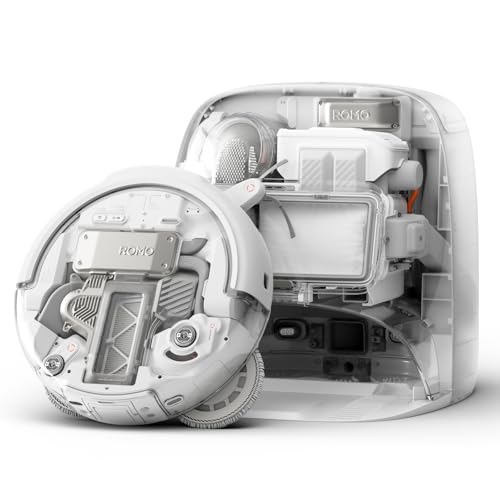
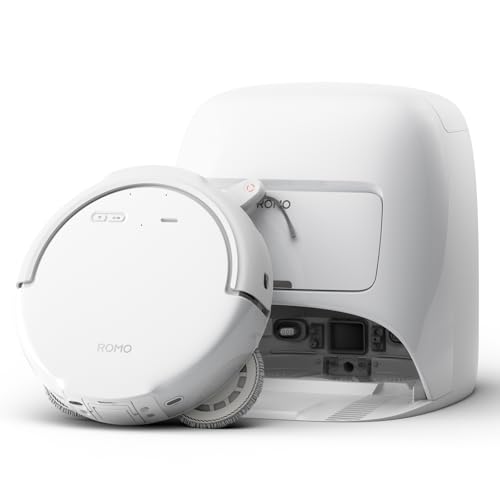
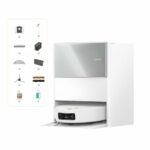
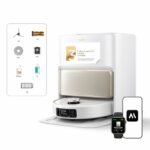
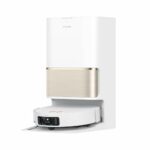
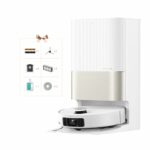
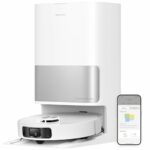
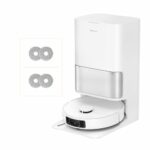
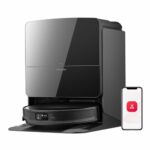
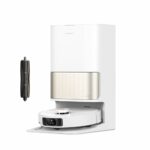
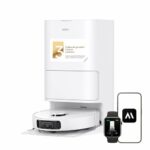
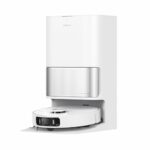
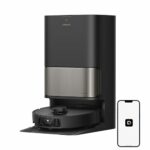
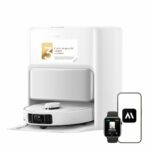
DJI has made its entrance into the robot vacuum market in 2025 with two versions of its Romo series: the DJI Romo P (Robot y Base Transparente) and the DJI Romo S (Blanco). These models represent the brand's first foray into home cleaning, bringing their expertise in robotics and imaging technology to the floor care sector. Both units deliver 25,000 Pa of suction power and feature advanced multifunction bases with hot air mopa drying, positioning them as high-end options in the robot aspirador category.
The two models share most of their core specifications, making this a particularly interesting case where the differences come down to specific premium features rather than fundamental performance capabilities. For those exploring what robot to choose in 2025, understanding these subtle distinctions becomes essential to making an informed decision.
Key Differences at a Glance
- The Romo P includes UV disinfection in the base, whilst the Romo S does not
- The Romo P features a dual detergent deposit system, compared to a single deposit in the Romo S
- The Romo P comes with a transparent base design, whilst the Romo S features a white finish
Power and Suction
Both the DJI Romo P (Robot y Base Transparente) and the DJI Romo S (Blanco) deliver identical suction performance at 25,000 Pa. This places them firmly in the upper tier of robot aspirador models available in 2025, providing sufficient power for deep carpet cleaning and effective debris pickup on hard floors.
The brushing system is identical across both units. Each employs a divided main brush design that lifts during mopping to prevent wet carpet contact. This brush configuration helps reduce hair tangles, a practical consideration for homes with pets or long-haired residents. The main brush elevates automatically when the mopping function activates, protecting rugs and carpets from unwanted moisture.
Regarding side brushes, both models feature extensible designs that reach into corners more effectively. The dual side brush configuration includes anti-tangle properties, which in practice means less maintenance time spent clearing wrapped hair. These side brushes do not elevate during mopping, but the extensible function ensures thorough edge cleaning during vacuuming cycles.
Mopping
The mopping capabilities are virtually identical between these two DJI models. Both utilise a dual rotating mopa system that extends to reach skirting boards and edges more effectively than fixed mopa designs. The mopas lift when the robot detects carpets or rugs, preventing unwanted wetting of textile surfaces.
Water temperature for floor mopping remains cold in both units. However, the bases compensate with hot air drying of the mopas after cleaning sessions, which helps prevent bacterial growth and unpleasant odours. The auto-cleaning function for the mopas works identically, with both bases washing the pads during cleaning cycles to maintain consistent mopping quality throughout the session.
Dirt detection technology features in both models, allowing the robots to identify soiled areas on floors and re-clean them as needed. The mopas themselves also benefit from dirt detection sensors, prompting additional washing cycles when contamination levels rise. For households prioritising floor hygiene, these intelligent features ensure a more thorough clean without manual intervention.
Navigation System
Navigation technology is identical across the Romo P and Romo S. Both employ solid-state LiDAR for mapping and route planning, combined with AI-powered cameras and frontal 3D laser sensors for obstacle avoidance. This multi-sensor approach allows the robots to navigate complex home environments whilst identifying and avoiding common household objects.
The AI camera in both models supports remote access, enabling users to check on their homes through the robot's perspective via the app. LED lighting provides night vision capability, useful for cleaning sessions scheduled during evening hours or in dimly lit spaces. The intelligent cleaning algorithms analyse room layouts and adjust cleaning patterns accordingly, optimising coverage and efficiency.
Whilst both robots feature advanced obstacle recognition, the exact number of identifiable objects isn't specified. Pet recognition capabilities remain unclear from the available data, though the sophisticated sensor array suggests robust object detection overall.
Battery and Autonomy
Battery specifications match perfectly between these models. Each houses a 5,000 mAh battery delivering 180 minutes of runtime on a single charge. This autonomy proves sufficient for covering large homes in one session, reducing the need for mid-clean recharging stops.
The 180-minute runtime translates to substantial coverage potential, particularly when the robots operate in efficient navigation modes. In practice, this means most residential properties can be cleaned completely without interruption, even when combining vacuuming and mopping tasks in a single run.
Intelligent Features
Obstacle climbing ability stands at 20 mm for both the Romo P and Romo S. This height clearance allows the robots to traverse standard door thresholds and navigate between rooms with different flooring levels without becoming stuck. The specification proves adequate for most UK homes where floor transitions typically fall within this range.
Voice assistant compatibility extends to external platforms for both models, allowing integration with existing smart home ecosystems. This enables voice-controlled cleaning sessions and status checks through familiar interfaces.
Multifunction Cleaning Base
The bases represent the primary area where these models diverge. Both feature comprehensive multifunction capabilities including auto-emptying of the dust bin, mopa washing, and hot air drying. The 2.4-litre dust bag capacity provides several weeks of operation before replacement becomes necessary, whilst the 4-litre clean water tank and 3.2-litre dirty water reservoir support extended mopping sessions.
The Romo P distinguishes itself with UV disinfection in the base, adding an extra layer of hygiene to the mopa washing process. This feature sanitises the cleaning area within the base, potentially reducing bacterial transfer during subsequent mopping cycles. The Romo S omits this UV functionality, relying instead on hot air drying alone for hygiene maintenance.
Detergent systems differ between the models. The Romo P incorporates a dual detergent deposit, whilst the Romo S uses a single deposit. The dual system in the Romo P may allow for different cleaning solutions for various floor types or cleaning tasks, though this added flexibility comes at a premium price point.
Both bases feature automatic cleaning of the washing tray through dedicated spray nozzles, maintaining base hygiene without manual scrubbing. Neither model offers plumbing connection capability, whether integrated or through optional kits, meaning manual refilling of water tanks remains necessary.
Dimensions
Physical dimensions are identical across both robots and their bases. Each robot measures 351 mm in diameter and stands 98 mm tall. This relatively low profile allows the units to navigate beneath most furniture, including standard sofas and bed frames.
The bases share identical footprints at 453 mm wide, 440 mm tall, and 425 mm deep. These dimensions require a dedicated space in the home, particularly given the depth measurement. Prospective buyers should ensure adequate clearance in their intended installation location, accounting for the robot's docking approach path.
The similar sizing means both models suit the same spatial constraints, so the choice between them won't be influenced by dimensional considerations.
Real-World Usage Experience
For larger homes, the 180-minute battery life and 25,000 Pa suction prove well-matched. The extensible side brushes and mopa systems ensure thorough edge cleaning, important in properties with extensive skirting board runs. The multifunction base reduces maintenance frequency, as the auto-emptying and mopa washing functions operate autonomously for extended periods.
Households with pets benefit from the divided main brush design and anti-tangle side brushes, which minimise hair wrapping and the associated cleaning interruptions. The 20 mm obstacle climbing capability handles standard pet bowls and low-profile pet beds without difficulty.
The hot air mopa drying proves particularly valuable in humid environments or during winter months when natural drying takes longer. This feature helps maintain mopa freshness between cleaning sessions, reducing the likelihood of musty odours developing in the base.
The dirt detection systems in both models adapt cleaning intensity to actual floor conditions rather than following rigid patterns. This intelligent approach conserves battery and water whilst ensuring heavily soiled areas receive adequate attention.
Conclusion: Which to Choose?
Choose the DJI Romo P (Robot y Base Transparente) if: You prioritise maximum hygiene features and want the UV disinfection capability in the base. The dual detergent system appeals if you clean multiple floor types requiring different cleaning solutions, or if you value the aesthetic of the transparent base design. This model suits buyers seeking the most comprehensive feature set DJI offers in their robot aspirador range, particularly those with heightened hygiene concerns or complex cleaning requirements.
Choose the DJI Romo S (Blanco) if: You want the core performance and functionality of DJI's robot vacuum technology without paying extra for UV disinfection and dual detergent systems. The white finish may better suit certain interior designs, and the single detergent deposit proves perfectly adequate for most households. This represents better value for buyers who don't require the additional hygiene features, whilst still delivering the same excellent cleaning performance, navigation technology, and multifunction base capabilities.
For those comparing robots aspiradores in 2025, both models deliver strong specifications with advanced features. The decision ultimately rests on whether the UV disinfection and dual detergent system justify the price difference for your specific circumstances. Homes with young children, allergy sufferers, or particular hygiene requirements may find the Romo P's additional features worthwhile, whilst most users will find the Romo S delivers comprehensive cleaning without compromise.