Introduction
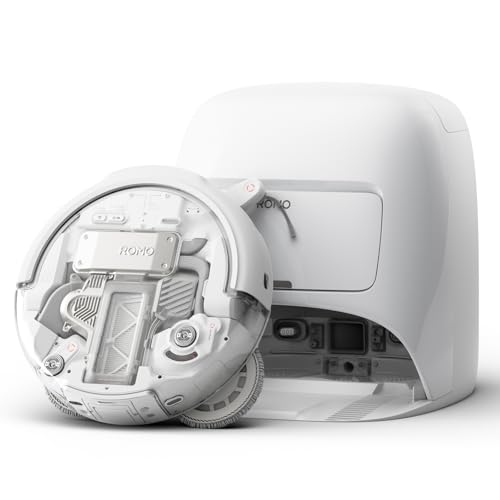
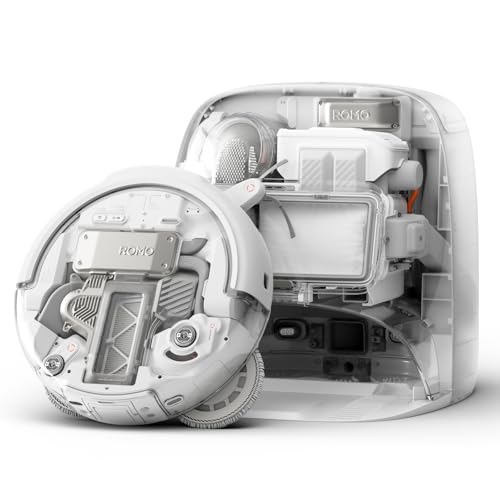
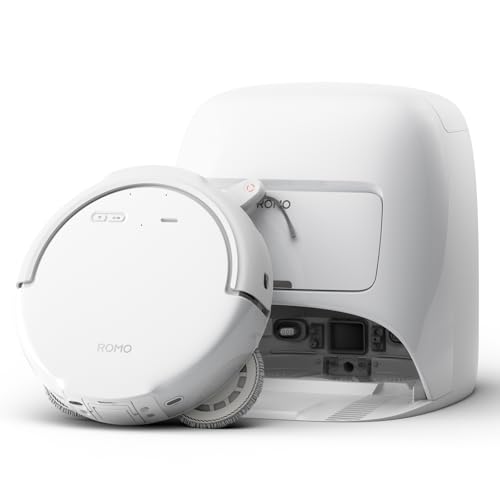
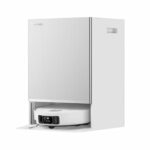
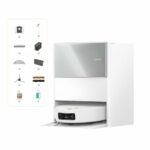
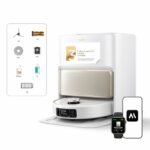
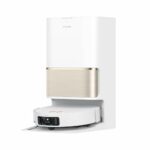
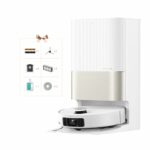
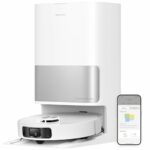
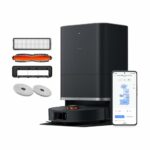
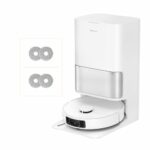
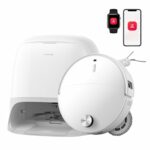
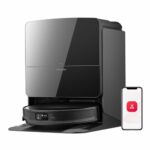
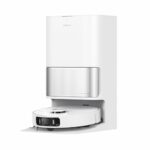
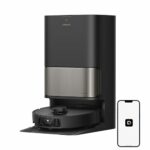
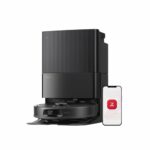
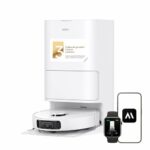
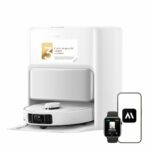
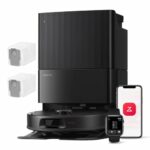
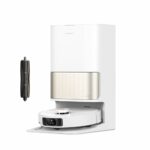
DJI has made its entrance into the robot vacuum market in 2025 with three variants of its Romo series. The DJI Romo A (Robot Transparente), DJI Romo P (Robot y Base Transparente), and DJI Romo S (Blanco) share the same core technology but differ in specific features that could influence your choice. All three models deliver 25,000 Pa suction power and feature multifunctional bases that handle both vacuuming and mopping tasks. These are premium devices aimed at users seeking advanced cleaning automation with intelligent navigation and comprehensive maintenance systems.
The transparent design of the A and P models showcases DJI's engineering approach, whilst the S model opts for a more traditional white finish. At 98mm tall, these robots can navigate under most furniture, making them suitable for typical homes with varied layouts.
Key Differences at a Glance
- The DJI Romo P (Robot y Base Transparente) includes UV disinfection in the base, absent in the A and S models
- The DJI Romo P (Robot y Base Transparente) features a dual detergent deposit system, whilst the A and S models have single deposits
- Visual design: A and P models feature transparent housings, whilst the S model comes in white
Power and Suction
All three models deliver identical suction performance at 25,000 Pa, positioning them competitively within the premium segment. The DivideConquer brush system appears across the range, designed to minimise hair tangles—a practical consideration for households with pets or long-haired residents. This cepillo principal elevates during mopping, preventing wet debris from contaminating carpets or rugs.
The side brush configuration includes an extensible design that reaches into corners more effectively than fixed alternatives. Each model features double anti-tangle side brushes, though these don't elevate during mopping operations. In practice, this means the side brushes continue working even when the robot switches to mopping mode, maintaining consistent edge cleaning throughout mixed-surface homes.
Mopping
The mopping system uses dual rotating mopas across all three variants. These mopas extend outwards to reach edges and skirting boards more thoroughly, addressing one of the traditional weaknesses of round robot vacuums. The mopas can elevate when the robot detects carpets, preventing unwanted moisture on textile surfaces.
Water temperature remains cold across the range for floor mopping. However, the bases wash the mopas automatically during cleaning sessions, returning the robot to the station periodically to refresh them. This approach ensures the robot continues with clean mopas rather than spreading dirt around your floors. After completing the job, the bases dry the mopas using warm air, which helps prevent odours and bacterial growth—a detail that matters for maintaining hygiene over time.
Dirt detection technology operates at two levels: the robots identify dirty areas on the floor requiring additional passes, and they also detect when the mopas themselves need washing. This intelligent approach adapts cleaning intensity to actual conditions rather than following rigid patterns.
Navigation System
DJI has equipped all three models with state-of-the-art LiDAR navigation, combined with front-facing cameras and 3D laser sensors. This multi-layered approach enables precise mapping and obstacle avoidance. The AI camera provides remote access, allowing you to check on your home whilst the robot operates—useful for monitoring pets or simply verifying cleaning progress.
LED lighting supports night vision functionality, enabling the camera to function effectively in low-light conditions. The obstacle recognition system identifies objects in the robot's path, though specific details about the number of recognisable objects aren't specified. The combination of LiDAR for spatial mapping and AI vision for object recognition creates a robust navigation framework that adapts to complex home environments.
Battery and Autonomy
Each model carries a 5,000 mAh battery providing 180 minutes of runtime. This translates to sufficient capacity for most residential properties, allowing the robots to complete full cleaning cycles without requiring mid-session recharging. For larger homes, the robots will automatically return to base, recharge, and resume where they left off.
The consistent battery specification across the range means your choice needn't factor in autonomy differences—all three perform identically in this regard.
Intelligent Features
All three models can climb obstacles up to 20mm high, handling door thresholds and minor floor transitions without difficulty. This capability proves particularly valuable in homes with varied flooring levels or thick rugs.
Integration with external voice assistants like Alexa and Google Home is supported across the range, enabling voice control for starting cleaning sessions, returning to base, or checking status. The AI-driven cleaning intelligence adjusts behaviour based on detected conditions, intensifying efforts where sensors identify heavier soiling.
Multifunctional Cleaning Base
The bases handle multiple maintenance tasks: auto-emptying the 260ml onboard dust container into 2.4-litre bags, washing mopas during and after cleaning, and drying them with warm air. The self-cleaning bandeja uses spray nozzles to maintain hygiene within the base itself, reducing manual maintenance requirements.
Here's where differentiation emerges. The DJI Romo P (Robot y Base Transparente) incorporates UV disinfection within its base, adding an extra hygiene layer absent from the A and S models. Whether this matters depends on your priorities—UV treatment targets bacteria and microorganisms, potentially beneficial for households with young children or allergy sufferers.
The detergent system also varies. Whilst all three models include detergent deposits, the P model features dual compartments. This allows separate cleaning solutions for different floor types or cleaning intensities, offering greater flexibility in your cleaning routine. The A and S models manage with single deposits, which remains perfectly adequate for most users but lacks that extra customisation option.
Water capacity matches across the range: 4 litres for clean water, 3.2 litres for dirty water. These generous capacities support extended mopping sessions without frequent refilling. None of the models offers plumbing connection kits, so manual refilling remains necessary.
Dimensions
At 351mm diameter and 98mm height, the robots share identical physical dimensions. This 98mm profile allows access beneath most sofas and beds, though particularly low furniture may still prove challenging. Weight specifications aren't provided, but the consistent sizing ensures any model will navigate your home identically.
The bases measure 453mm wide, 440mm tall, and 425mm deep—substantial units requiring dedicated space. Consider placement carefully, ideally in utility areas or discrete corners where the base's size won't dominate your living space. The transparent design of the P model's base might actually make it feel less obtrusive than opaque alternatives, despite identical dimensions.
Real-World Usage Experience
For typical homes up to medium-large sizes, the 180-minute autonomy handles complete cleaning cycles comfortably. The 25,000 Pa suction and anti-tangle brush system suit households with pets, managing hair accumulation more effectively than basic brush designs. Hard floors, tiles, and parquet all benefit from the dual rotating mopa system, which delivers more thorough mopping than single-pad alternatives.
The multifunctional bases significantly reduce hands-on maintenance. You'll need to empty the 2.4-litre dust bag occasionally and refill water tanks, but the automatic mopa washing and drying eliminates the unpleasant task of manually cleaning dirty pads. For busy households or those simply preferring minimal intervention, this automation proves valuable.
The 20mm obstacle-climbing capability handles standard thresholds, though homes with higher transitions might see the robots occasionally struggle. Remote camera access adds peace of mind when you're away, letting you verify the robot hasn't encountered problems or check on pets.
Conclusion: Which Should You Choose?
Choose the DJI Romo A (Robot Transparente) if you want DJI's full cleaning technology at the entry point for this range, don't require UV disinfection, and find a single detergent deposit sufficient for your needs. The transparent robot design appeals to those appreciating visible engineering, and functionally it matches the other models in core performance.
Choose the DJI Romo P (Robot y Base Transparente) if hygiene is a priority and UV disinfection adds value to your household—particularly relevant with young children, allergy sufferers, or simply higher cleanliness standards. The dual detergent system provides flexibility for homes with mixed flooring types or those wanting separate solutions for different cleaning tasks. The fully transparent aesthetic, extending to the base, creates a distinctive look if that appeals to you.
Choose the DJI Romo S (Blanco) if you prefer traditional white styling over transparent housings, don't need UV disinfection, and are content with a single detergent deposit. Functionally identical to the A model aside from appearance, it suits those wanting DJI's technology in a more conventional package.
For homes with pets, all three models perform equally well thanks to their anti-tangle brushes and strong suction. Larger properties benefit from the consistent 180-minute autonomy across the range. If you're seeking maximum automation with minimal maintenance, the multifunctional bases deliver regardless of which variant you select—the P model simply adds that extra hygiene layer and detergent flexibility for those who value those specific enhancements.